ENEKO ARAMENDÍA

Level Designer
"It's all about the immersion and the awe of discovering fantastic spaces"

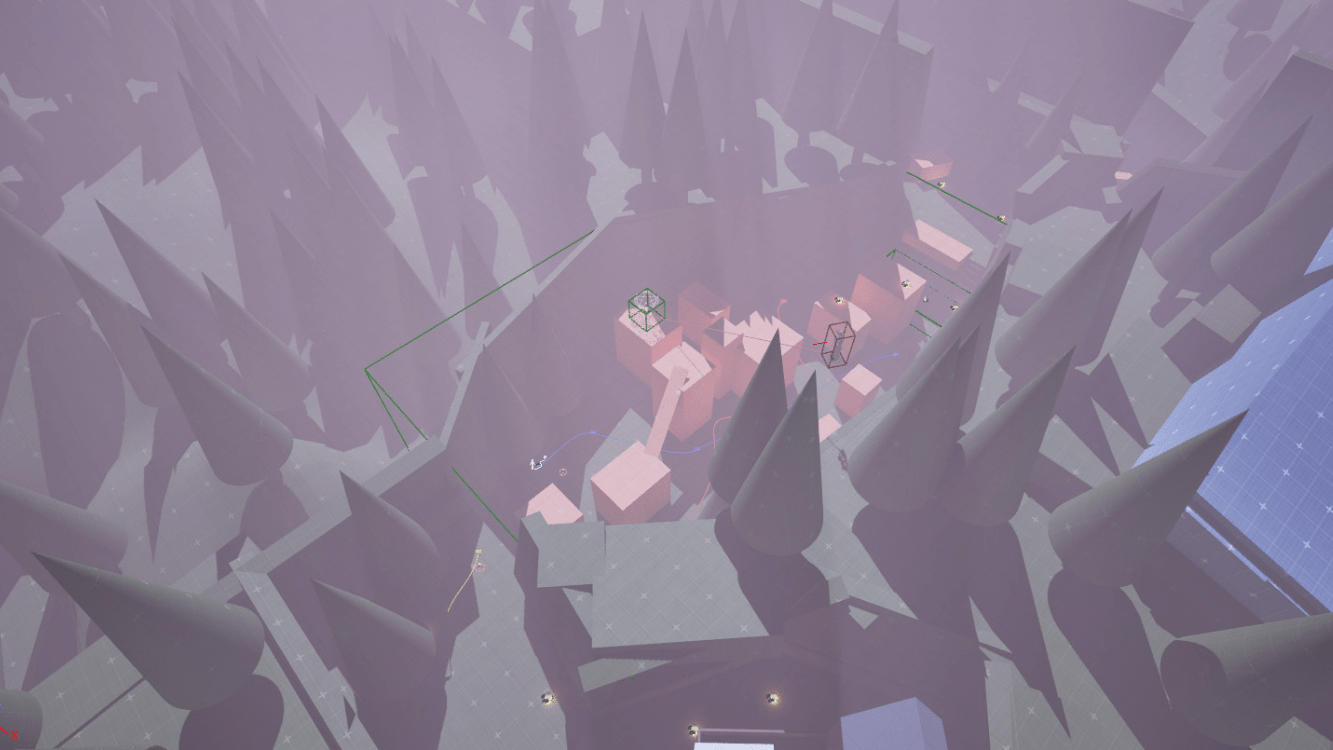
Haunted Forest

Overview

Goal

Vision: A dark, oppressive forest where design and mechanics fuse into dread, every choice calibrated to keep players on edge, hearts racing as they push forward.

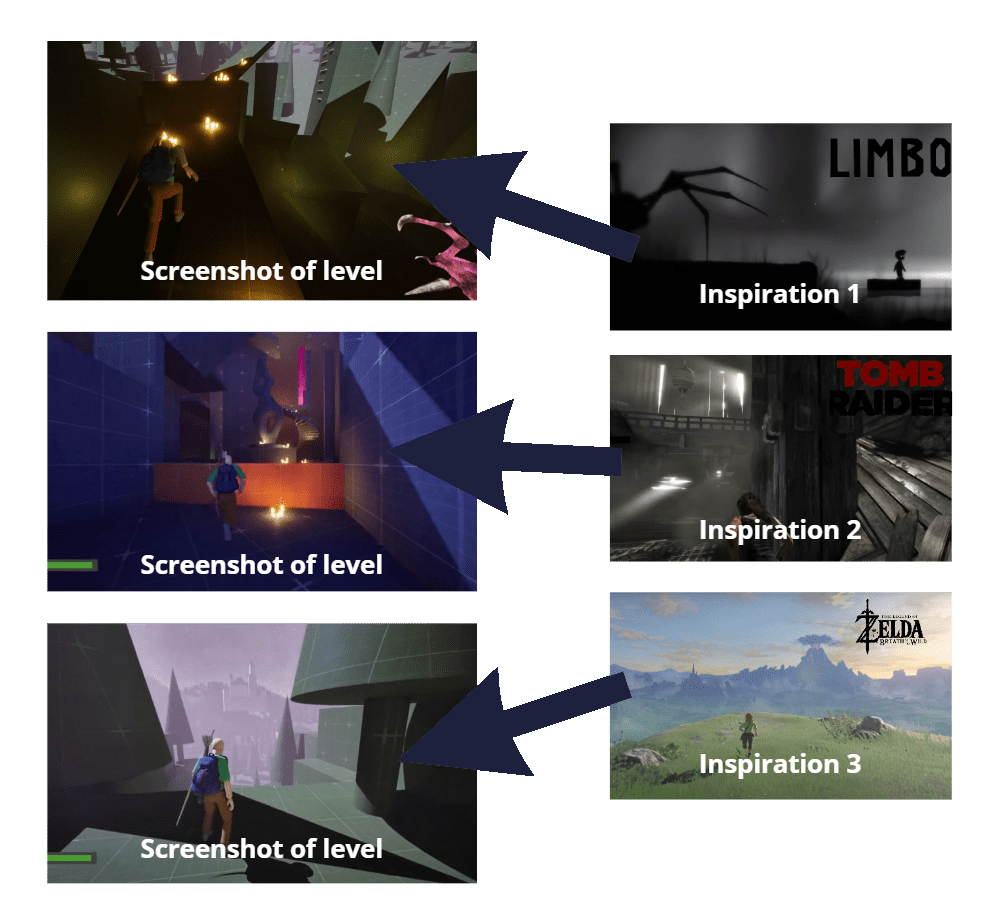
Core Inspirations:

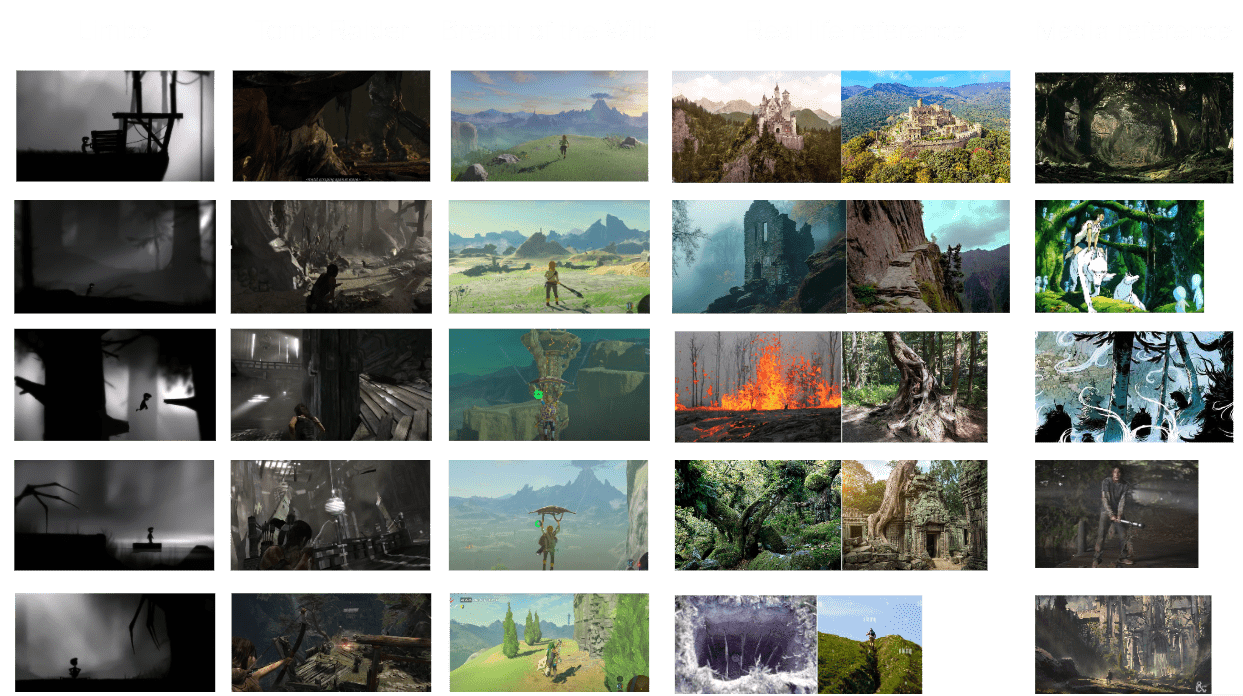
  • Limbo → oppressive atmosphere.
  • Tomb Raider → traversal & puzzle/combat integration.
  • Breath of the Wild → open exploration & environmental storytelling.

Design Goal: Blend exploration, combat, and puzzles into a narrative-driven experience with escalating intensity.

What I Achieved:

  • Iterated more than in past projects.
  • Solved technical challenges with blueprints (enemy AI, puzzles, event triggers).
  • Balanced gameplay with a strong, immersive atmosphere.

Level Overview & Technique Highlights

Setting & Synopsis: The level unfolds in a standard medieval low-fantasy world, suddenly torn apart by a magical catastrophe. In an instant, the familiar forest twists into something unrecognizable — with distorted paths, ruins of a forgotten civilization erupting from the ground, and monstrous creatures appearing where there was once peace.

The player takes the role of a young squire, returning to the White Tower with his knight after settling a local dispute. But the disaster strikes without warning, and the knight is killed almost immediately. Stranded in a warped, haunted forest, the squire must navigate the hostile landscape and reach the White Tower if he hopes to survive.

Tutorializing

Technique: Tutorializing introduces new mechanics in a safe, controlled way, letting players learn by doing instead of through heavy explanations.

Context: In my level, each enemy type is first presented in a dedicated scenario designed to teach its behavior and counters without overwhelming the player.

Technique Detail:

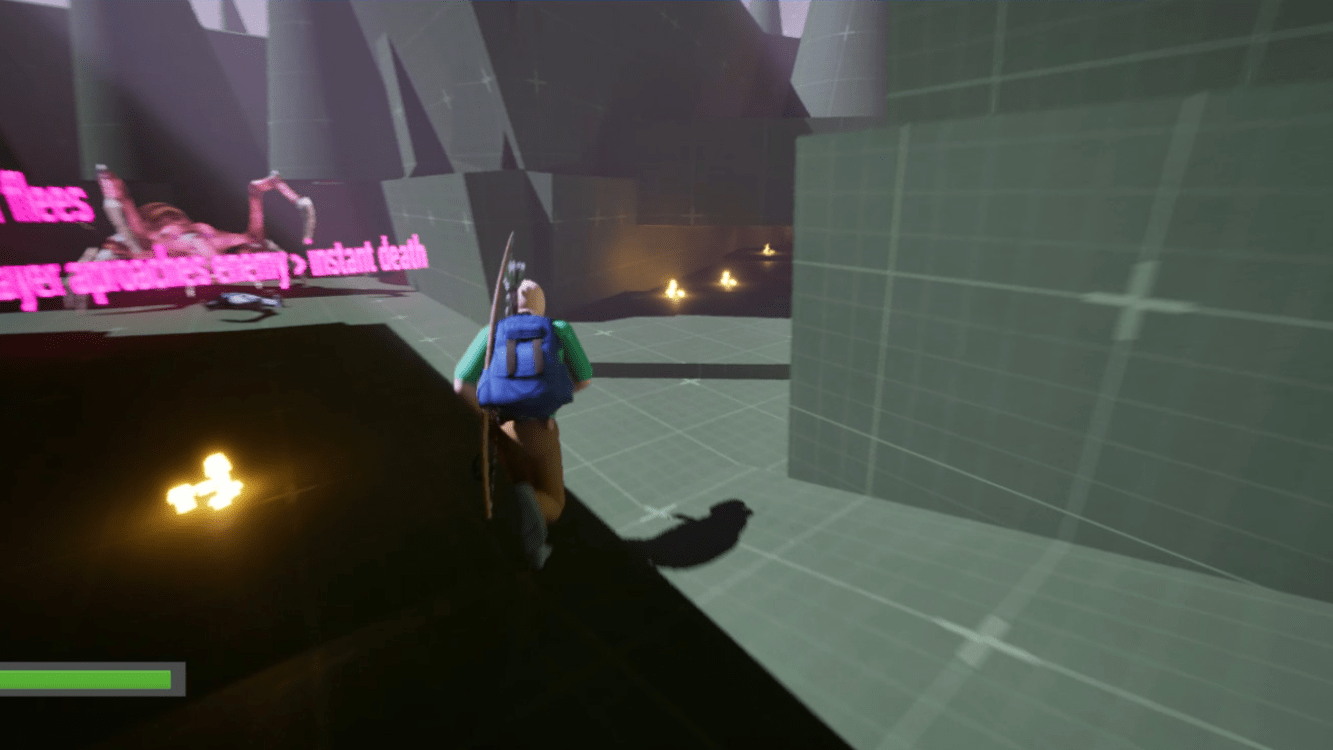
  • Monstrosity: Introduced as an unbeatable threat; the player learns to flee rather than fight, setting its role as a source of dread.

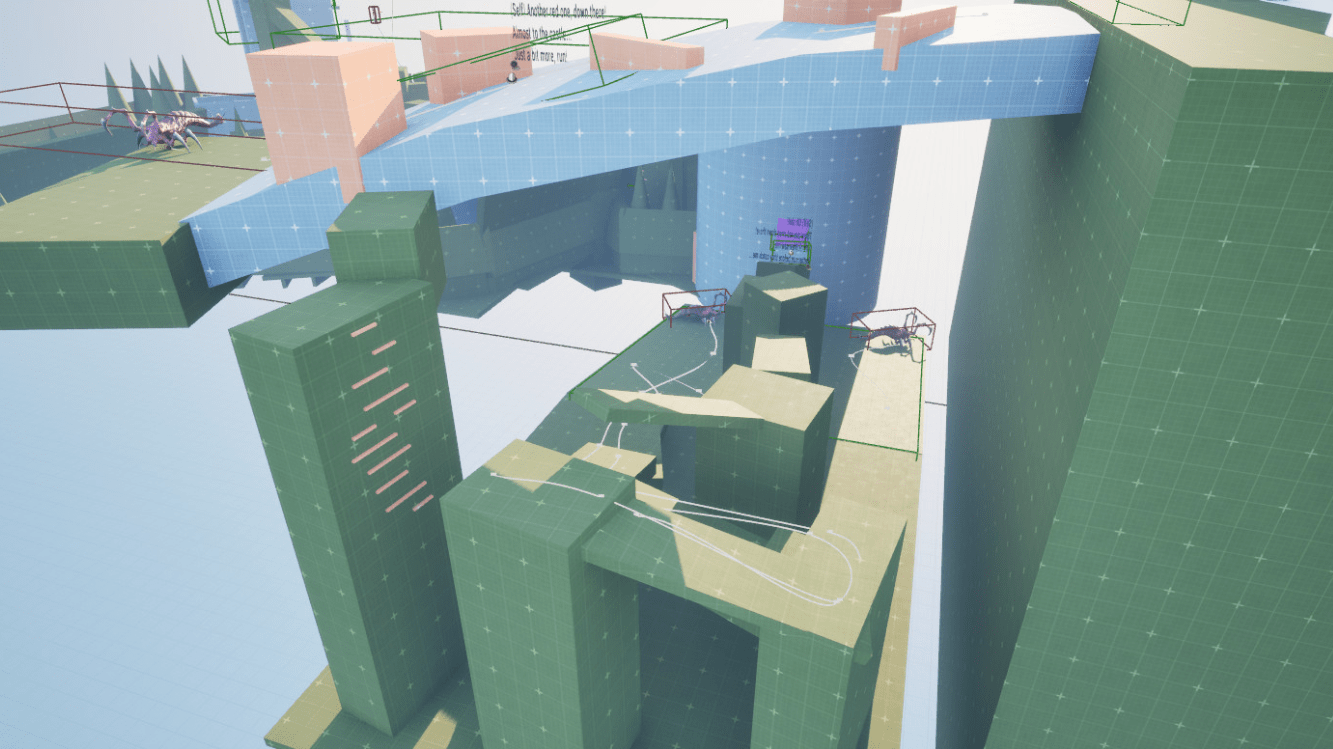
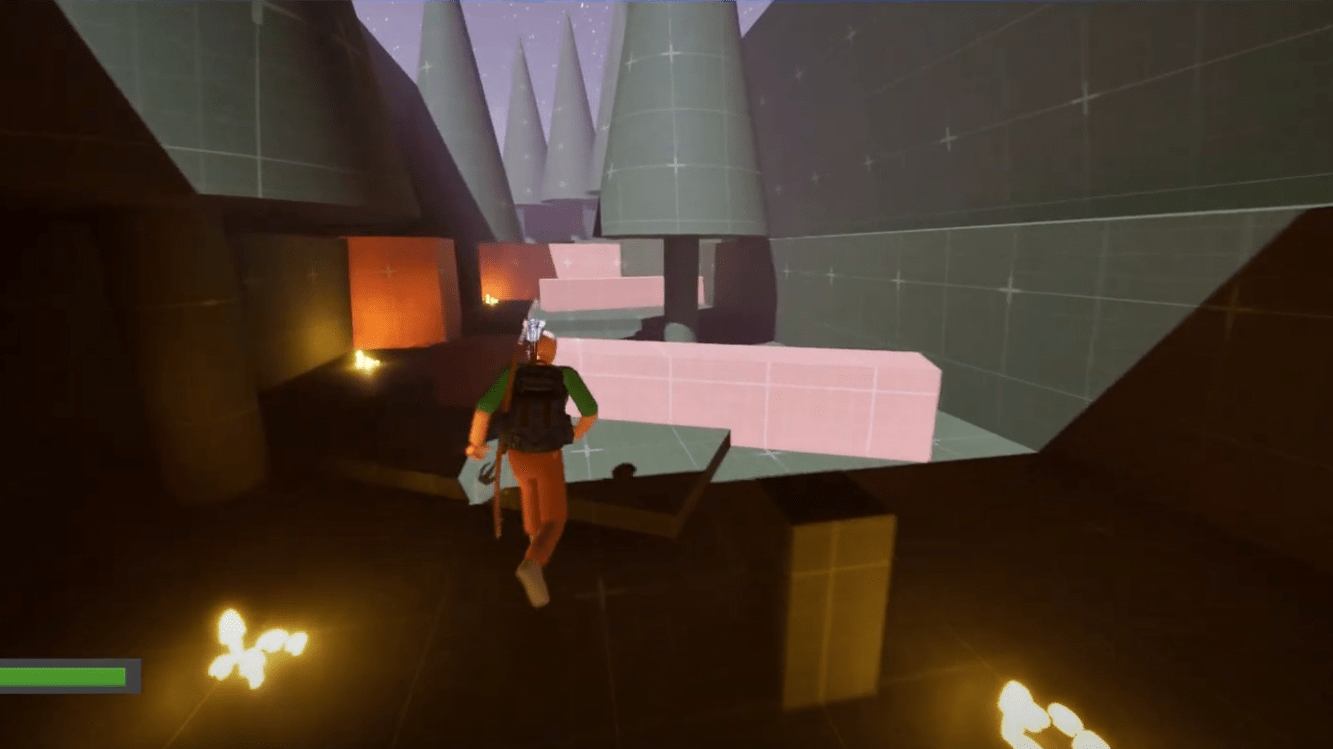
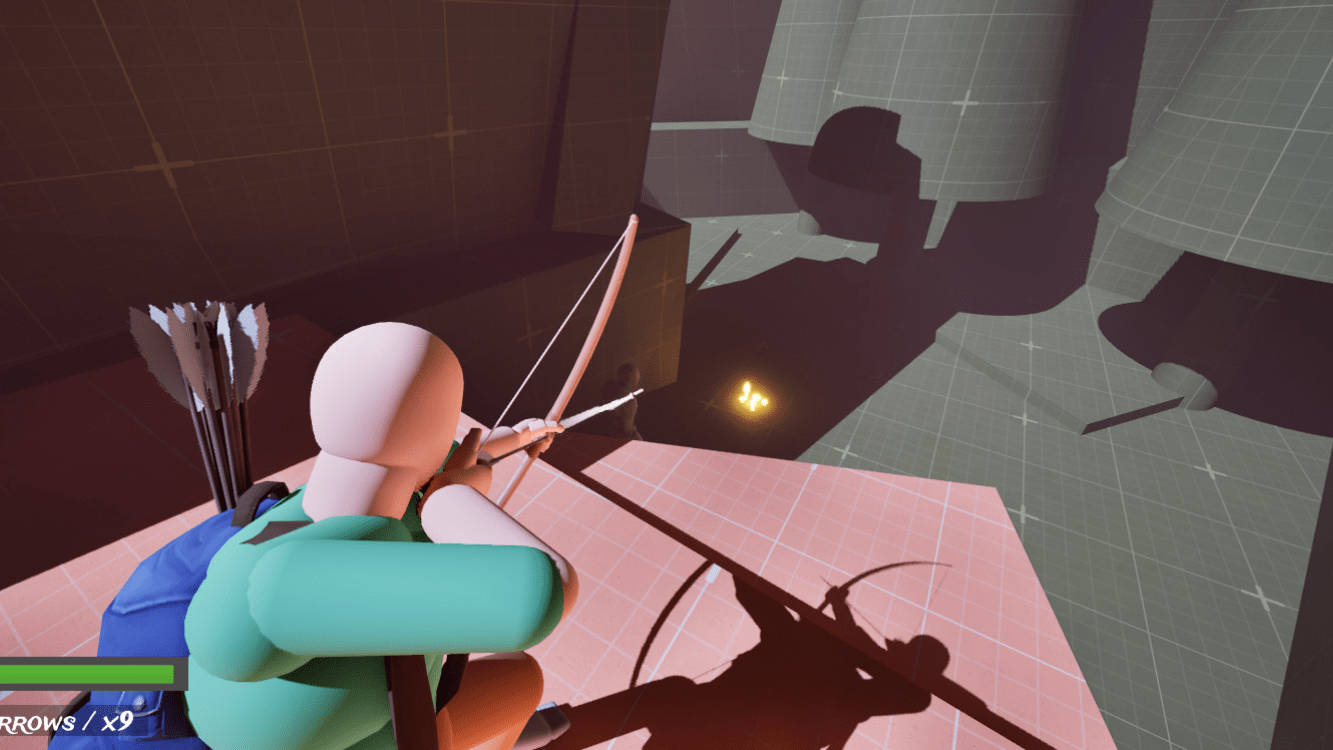
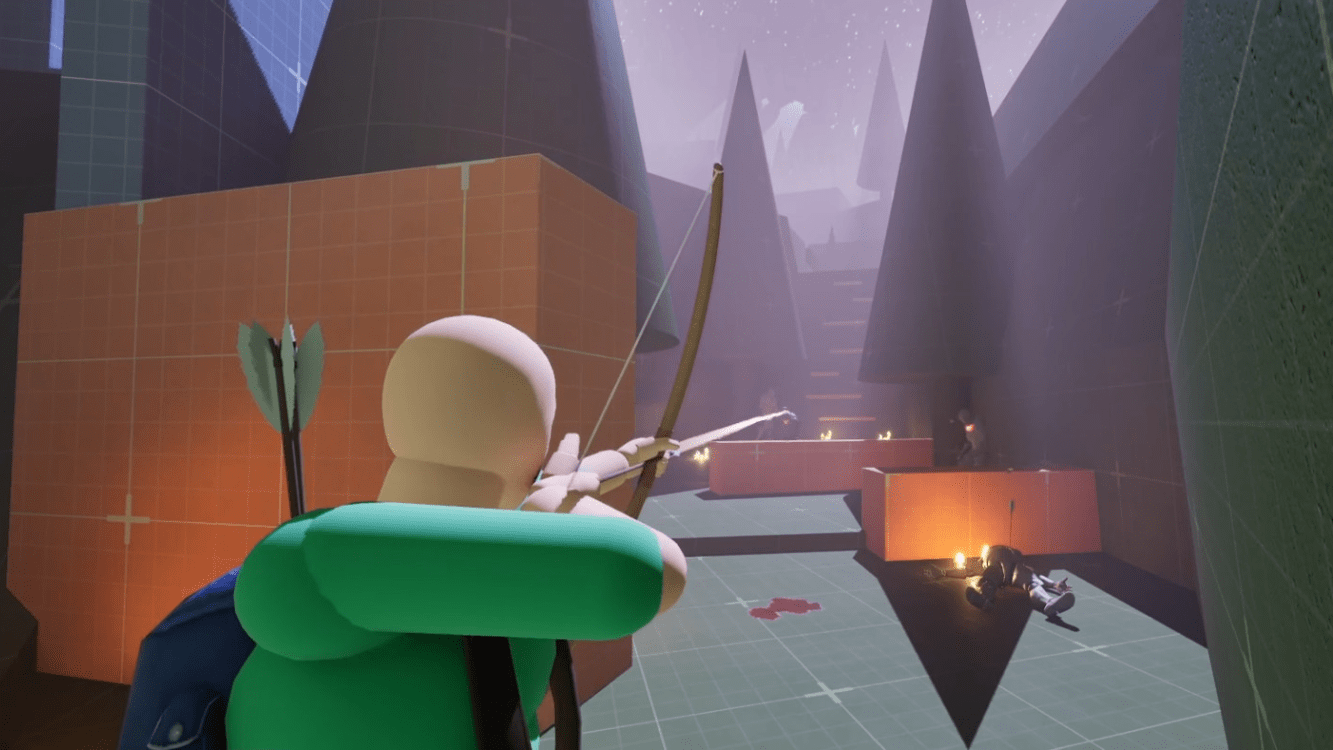
  • Zombie: First encountered from the high ground, giving players time and safety to practice ranged combat.

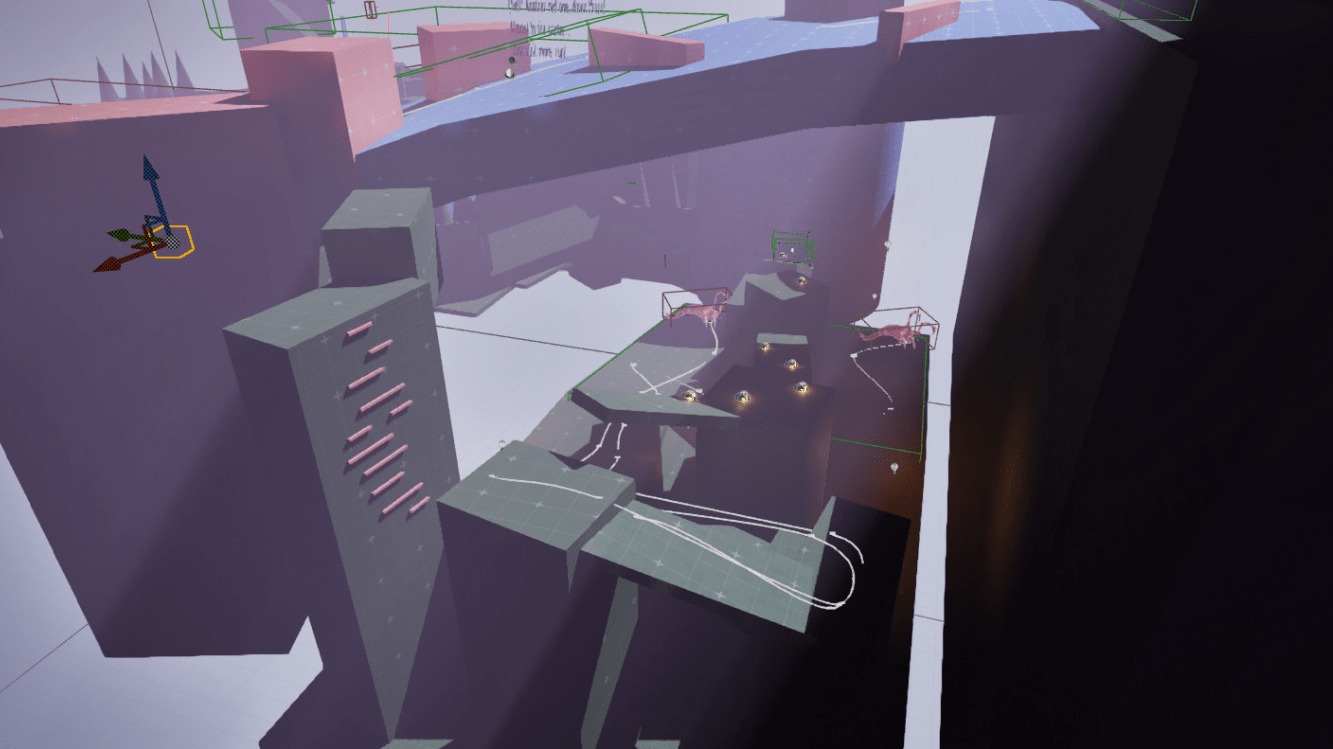
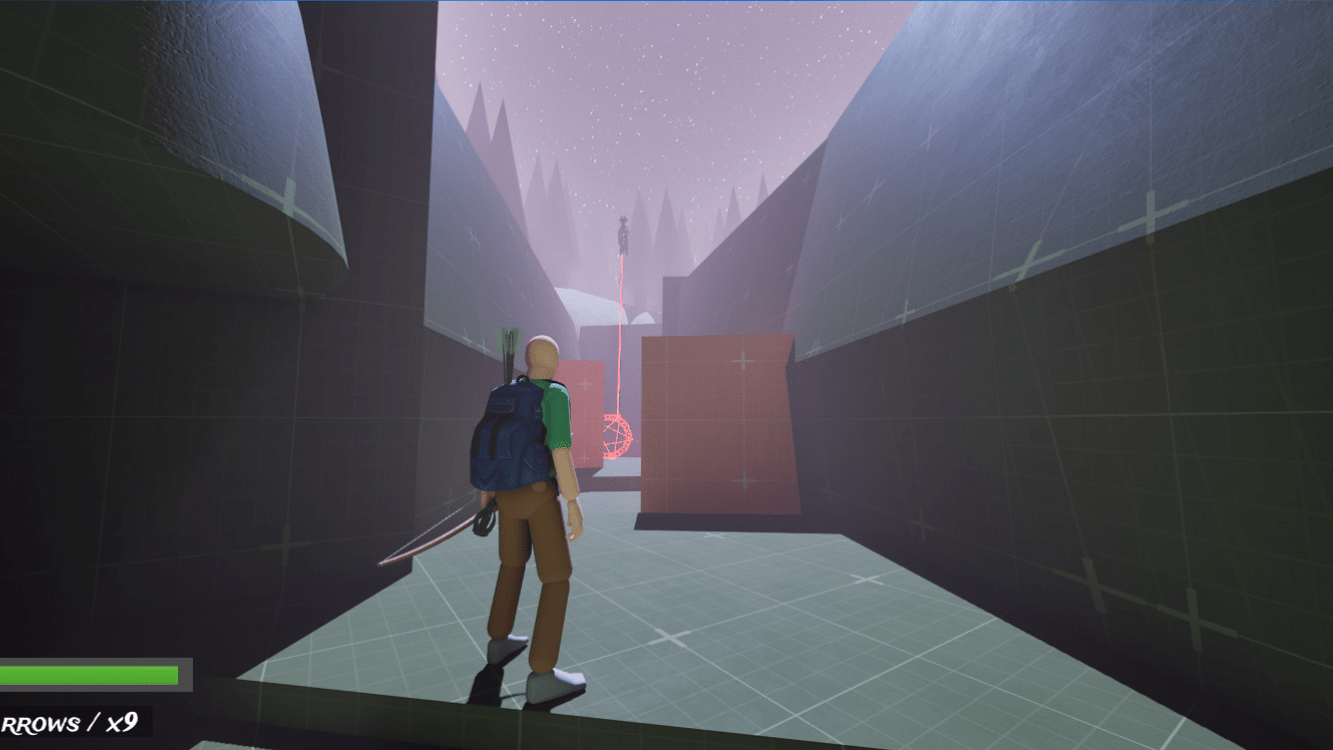
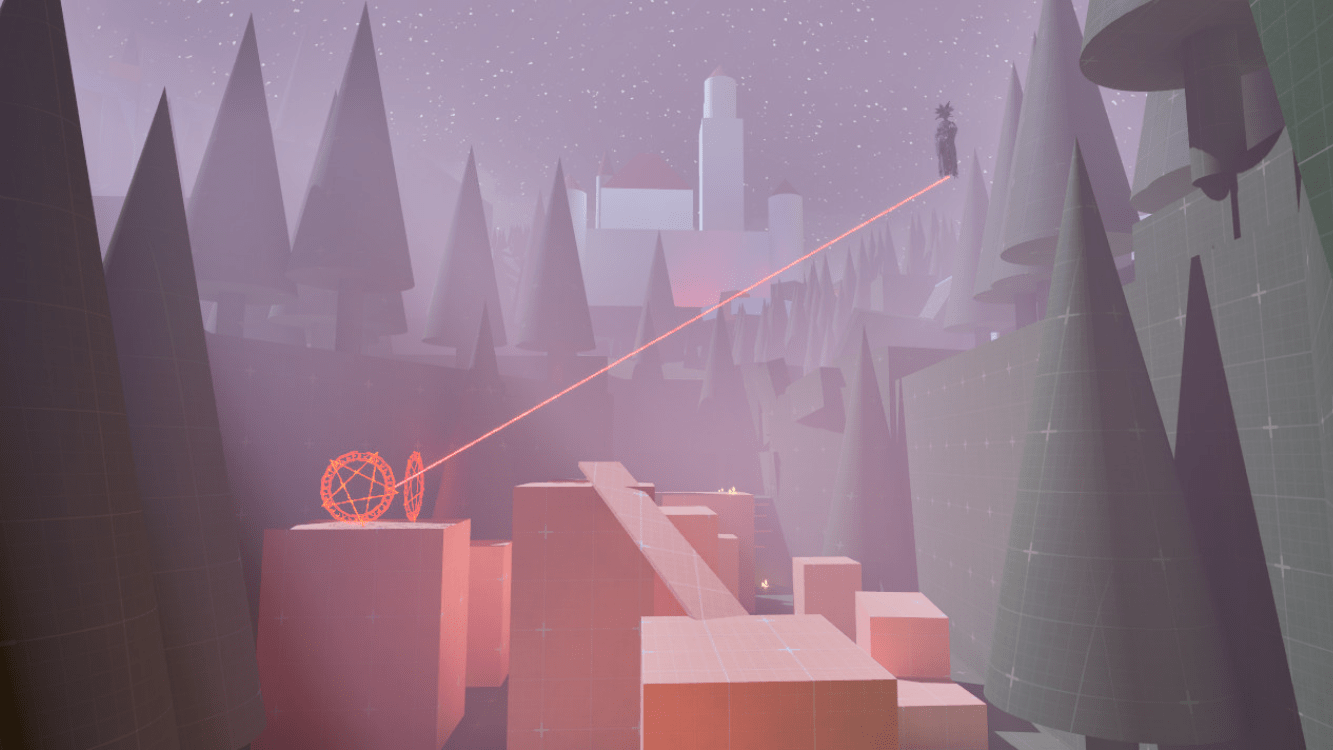
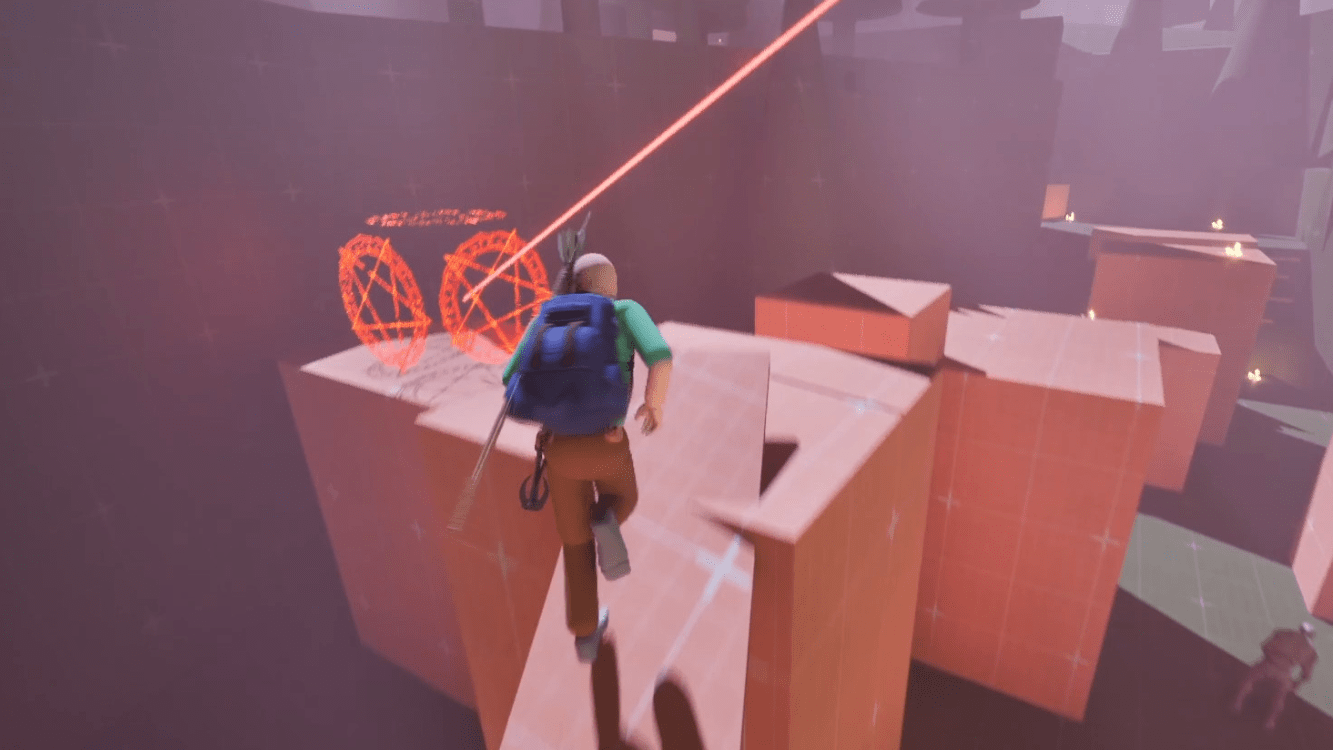
  • Hovering Sniper: Introduced with cover available, allowing players to observe its attacks and learn to dispel it from its origin point.

Vistas

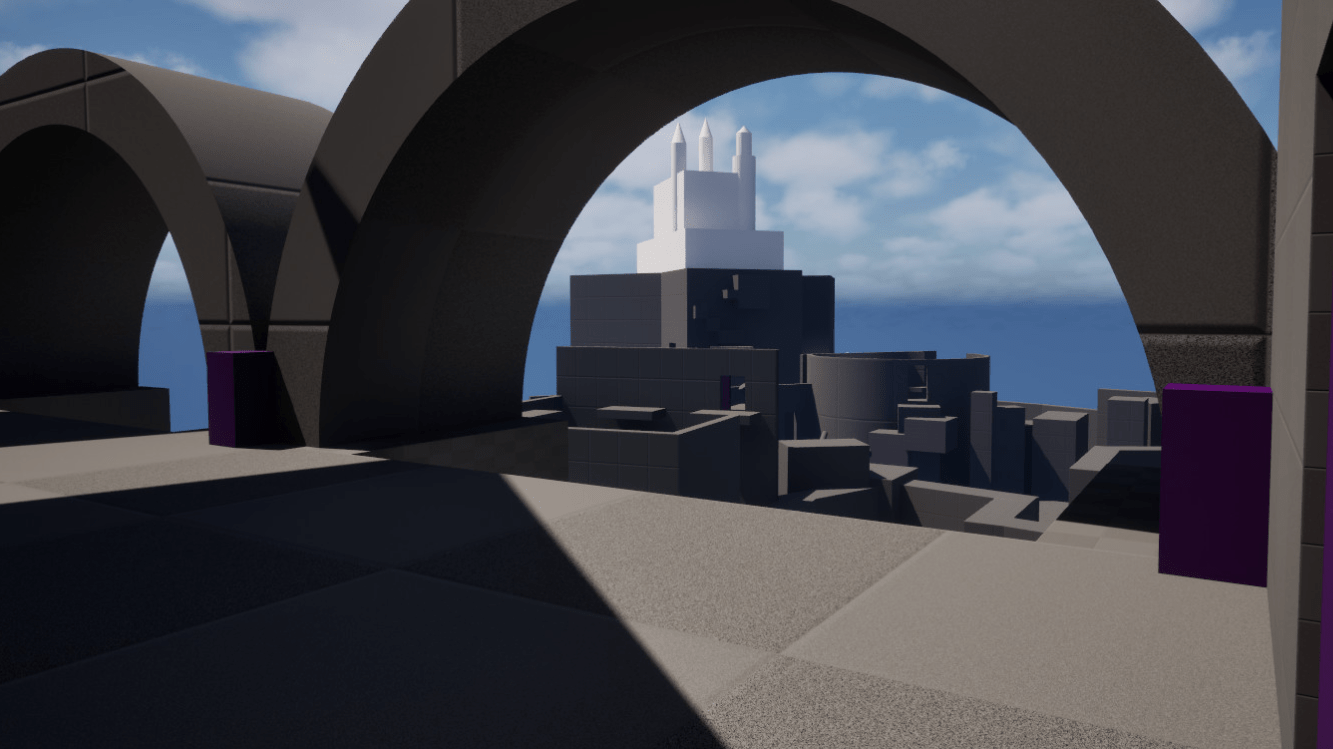
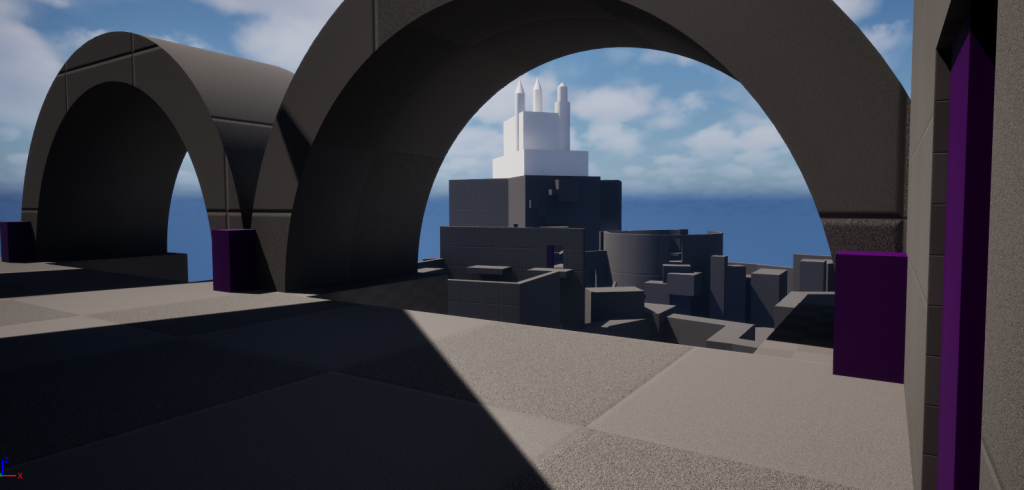
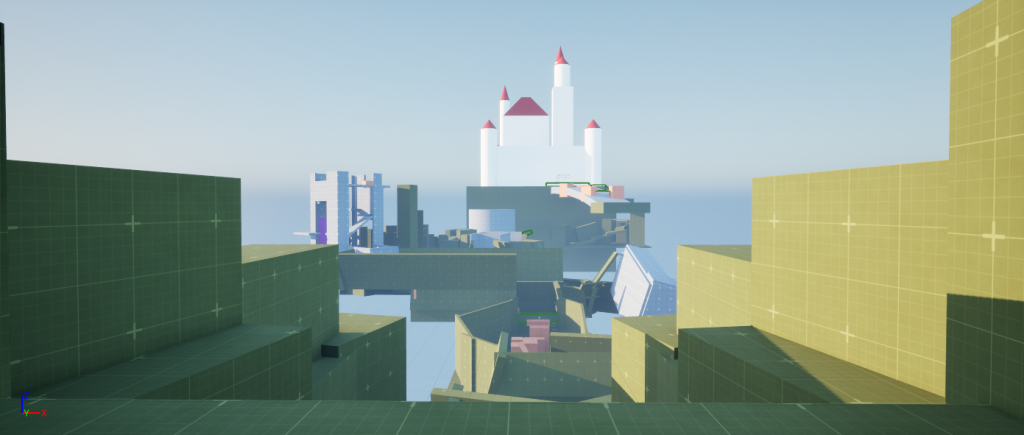
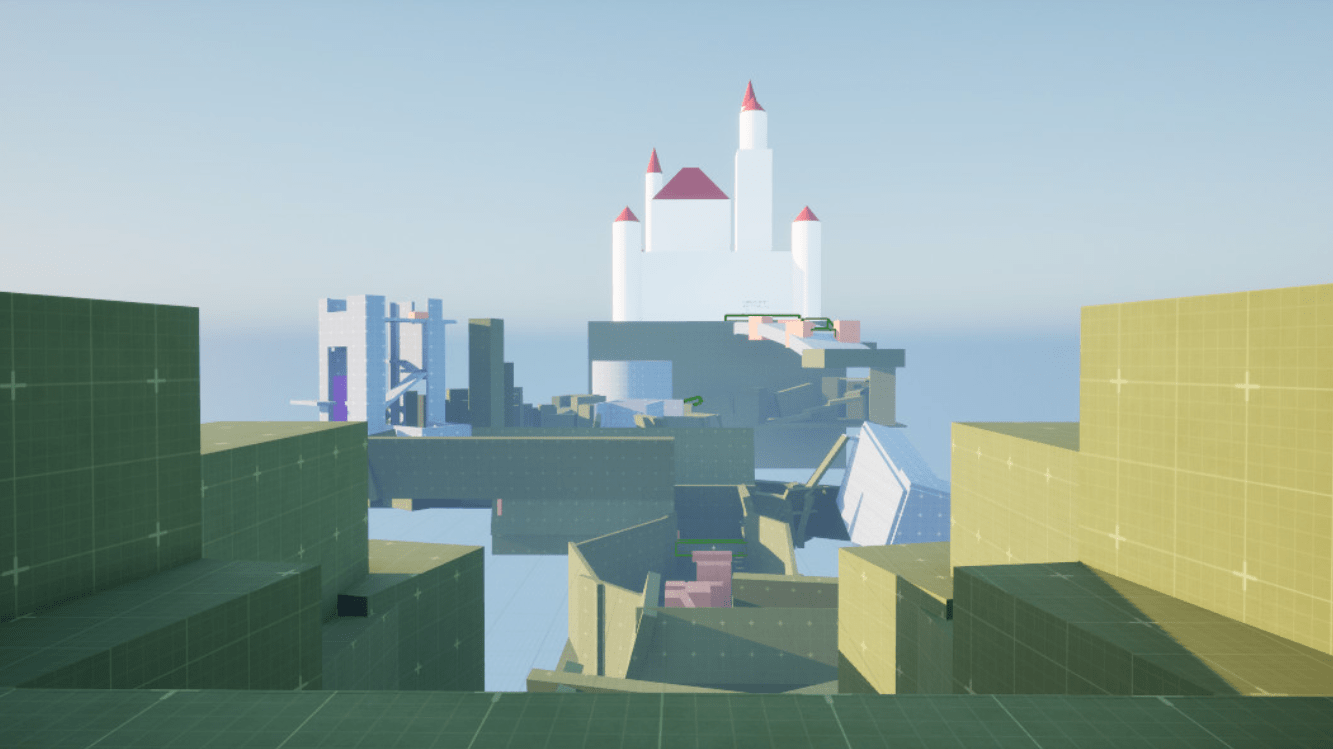
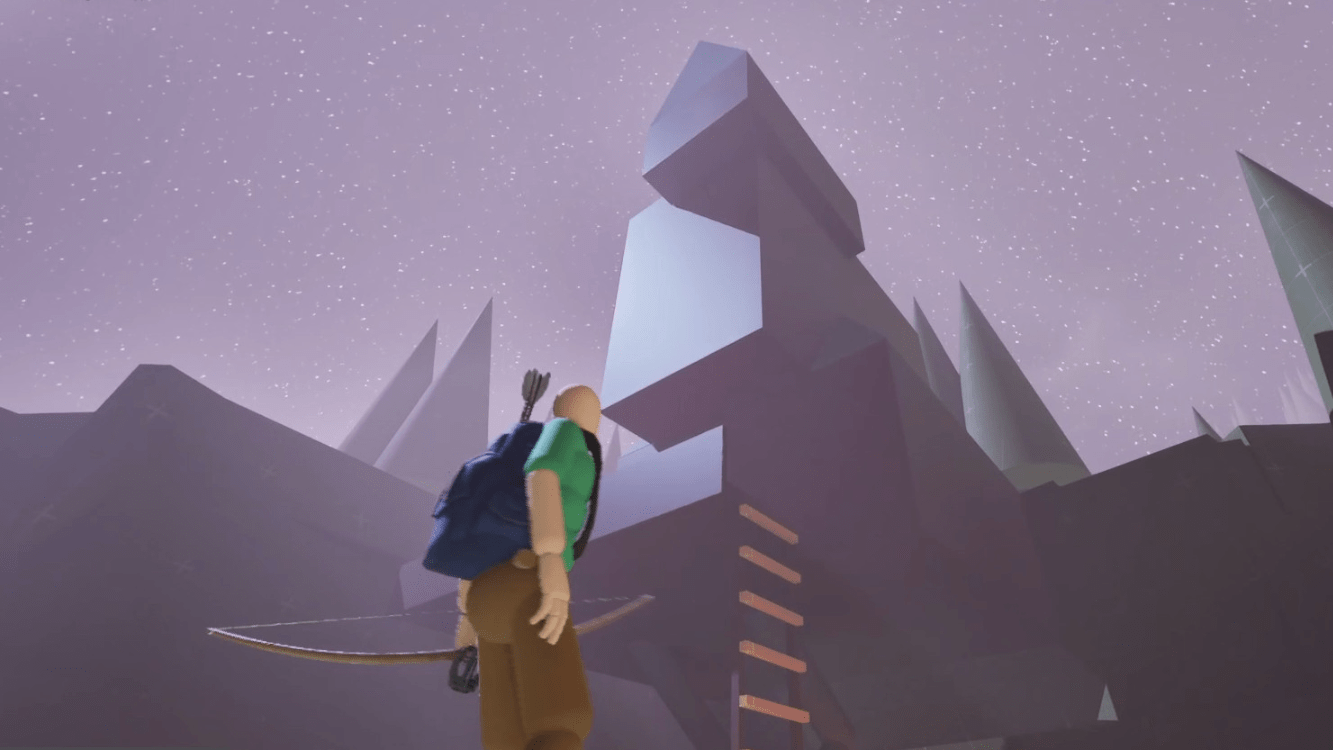
Technique: Vistas show the main objective to orient and reinforce the final goal.

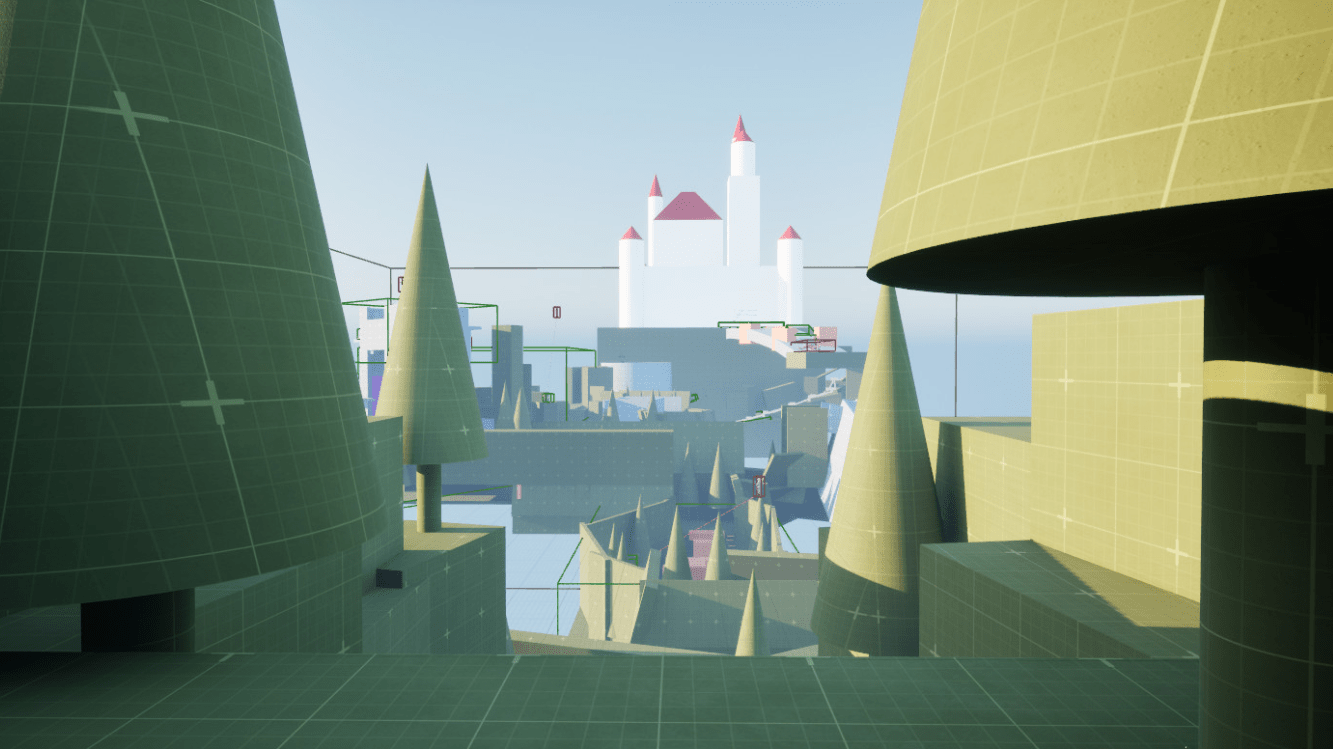
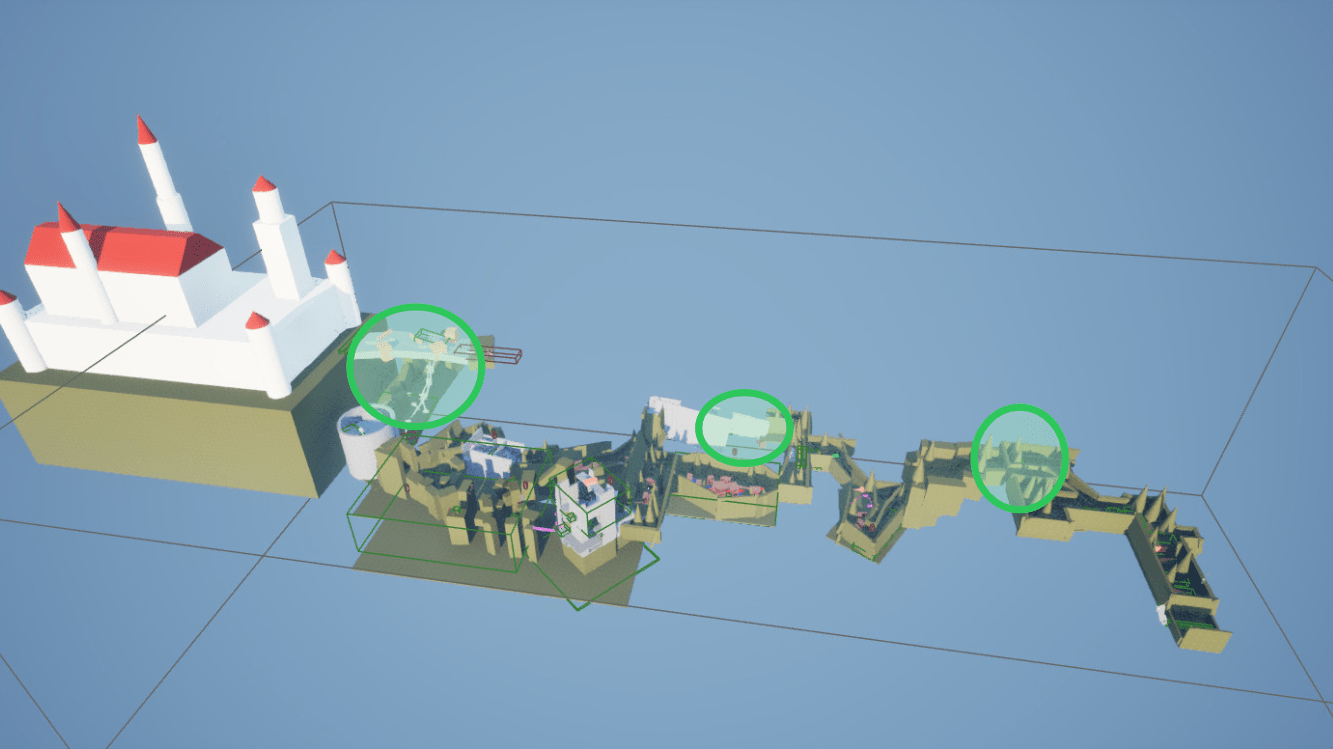
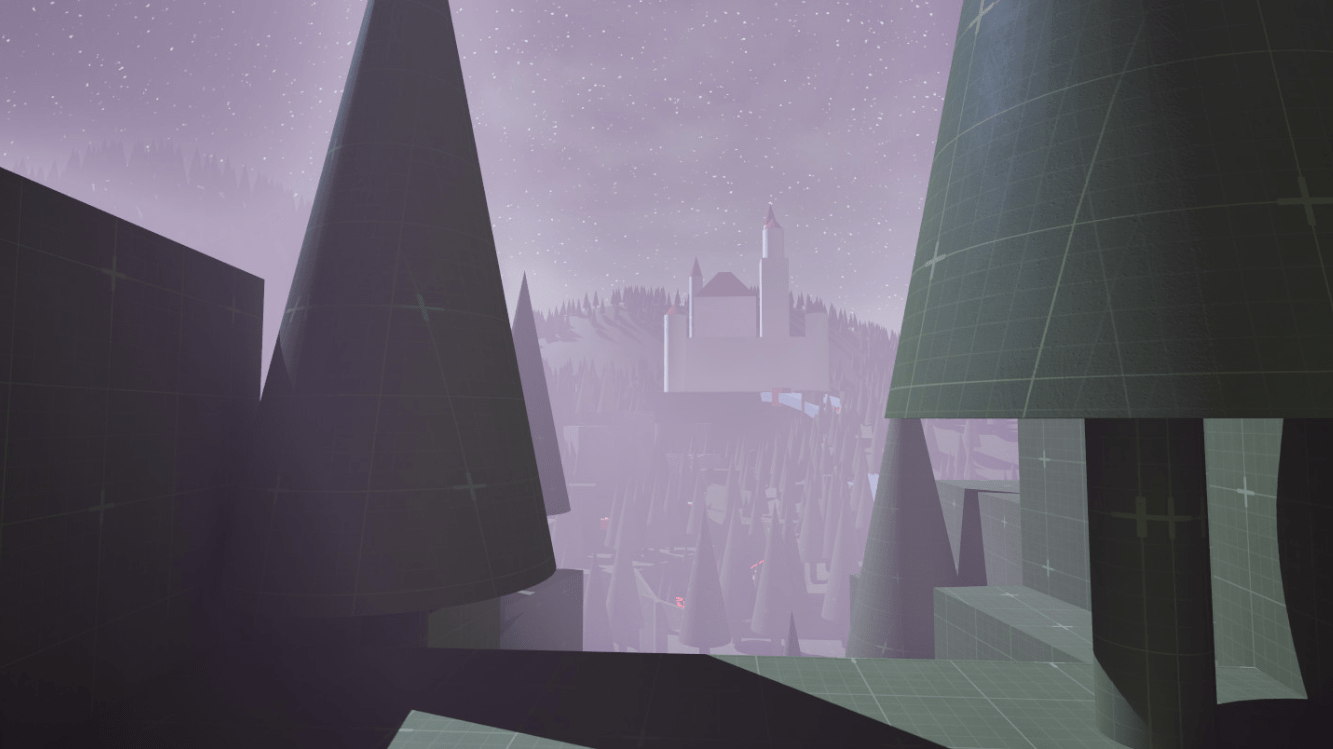
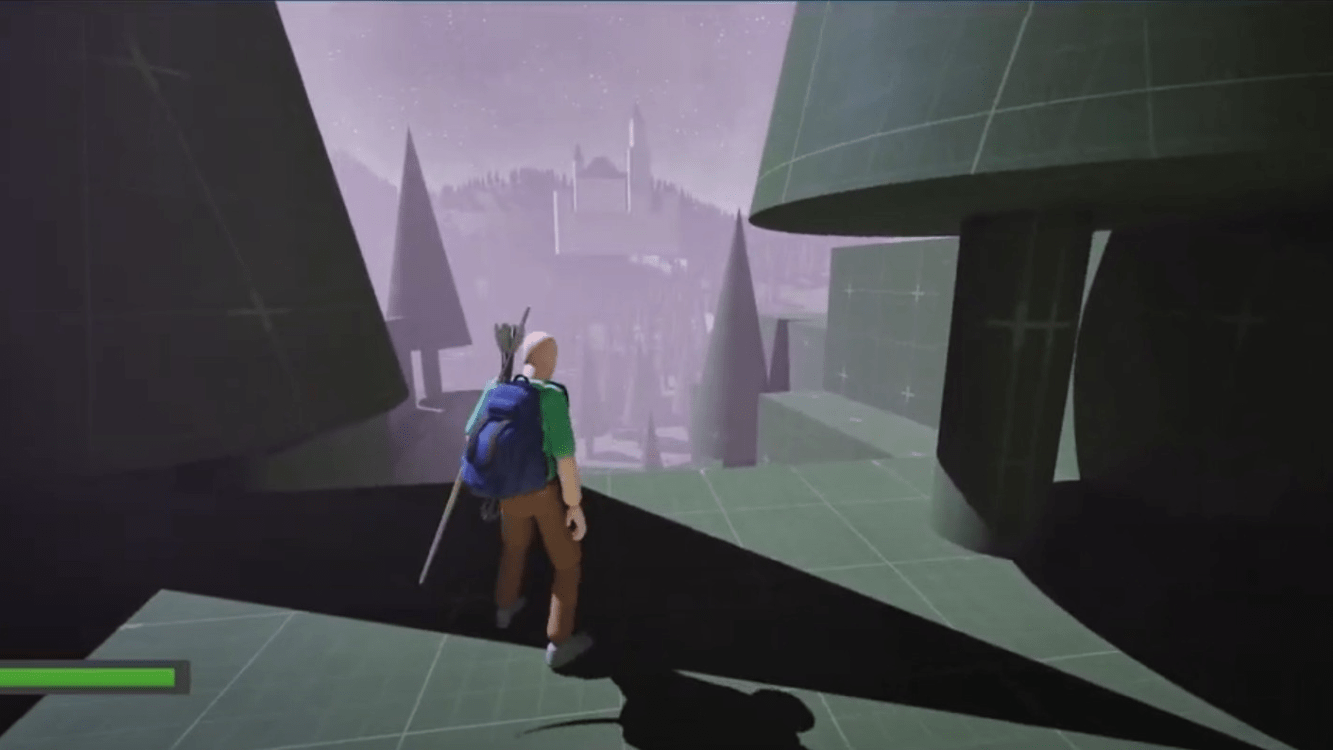
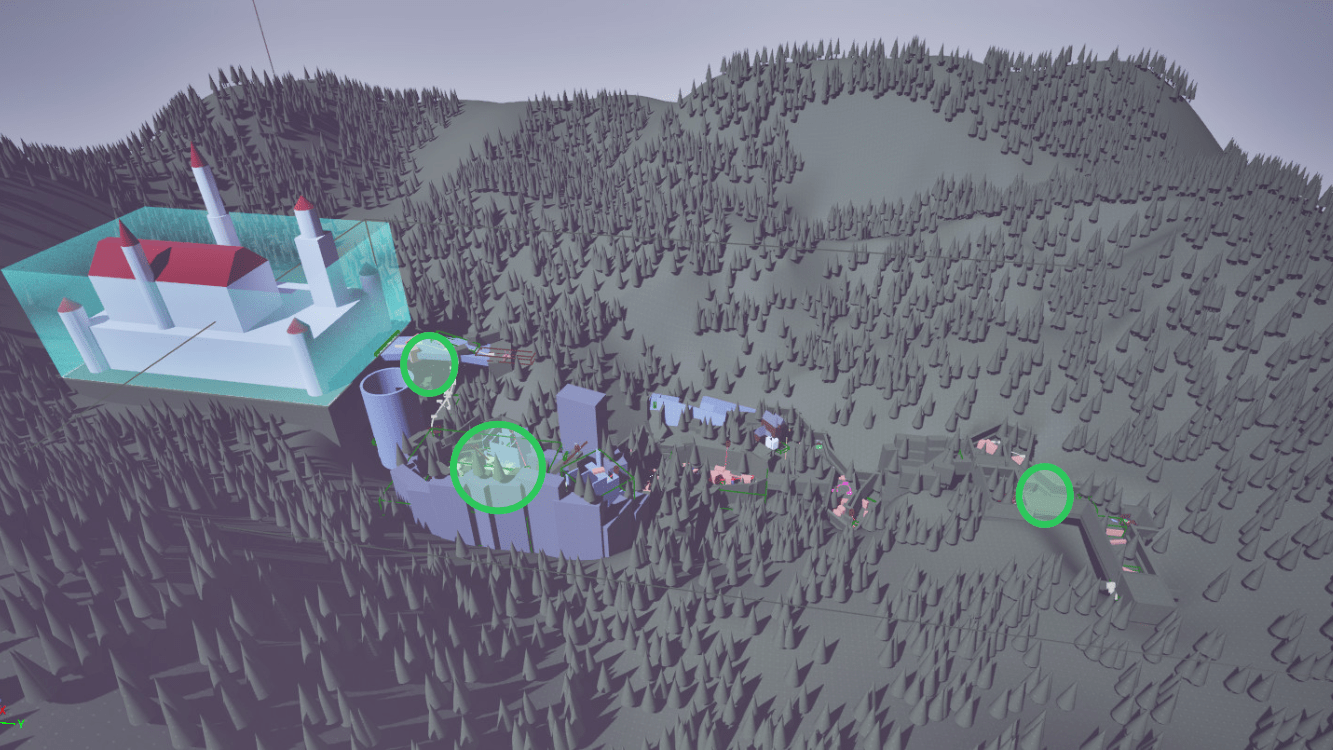
Context: In this level, vistas consistently bring the White Tower back into view, so even when the forest becomes confusing or threatening, the player always knows what they are striving toward.

Technique Detail:

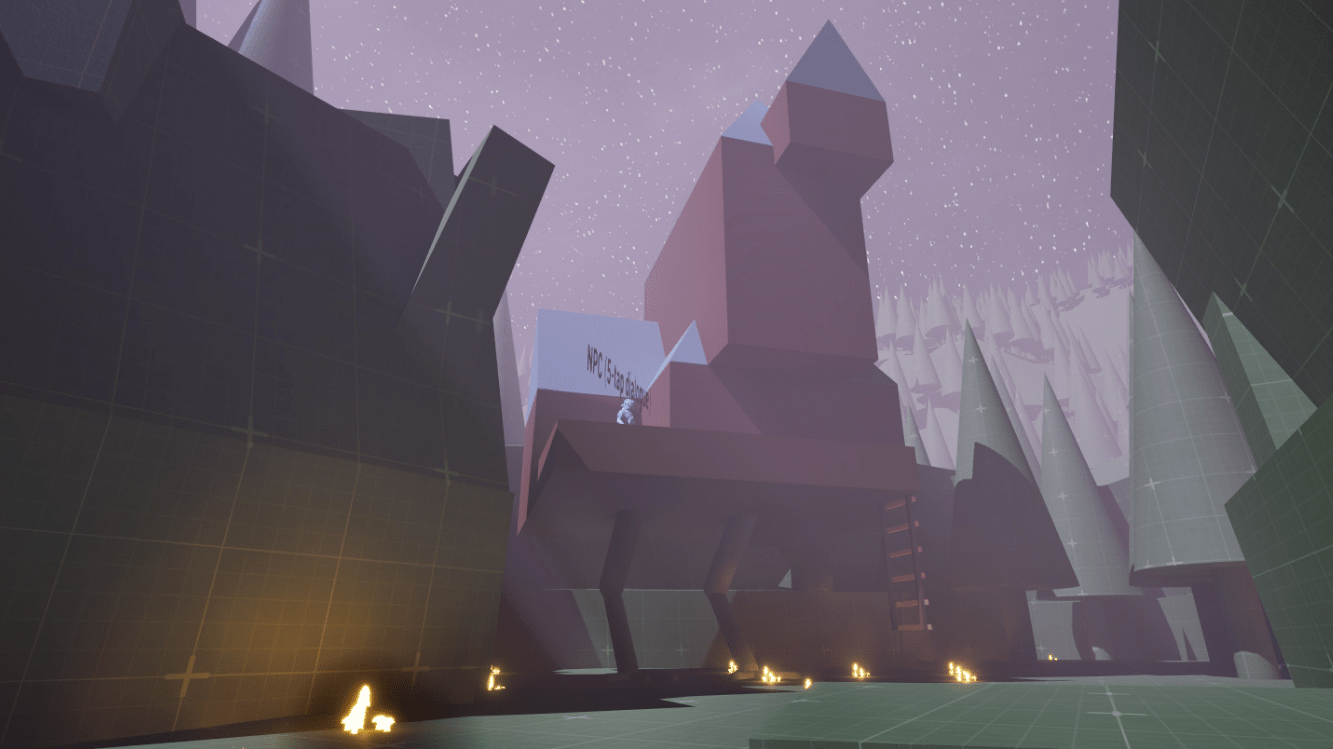
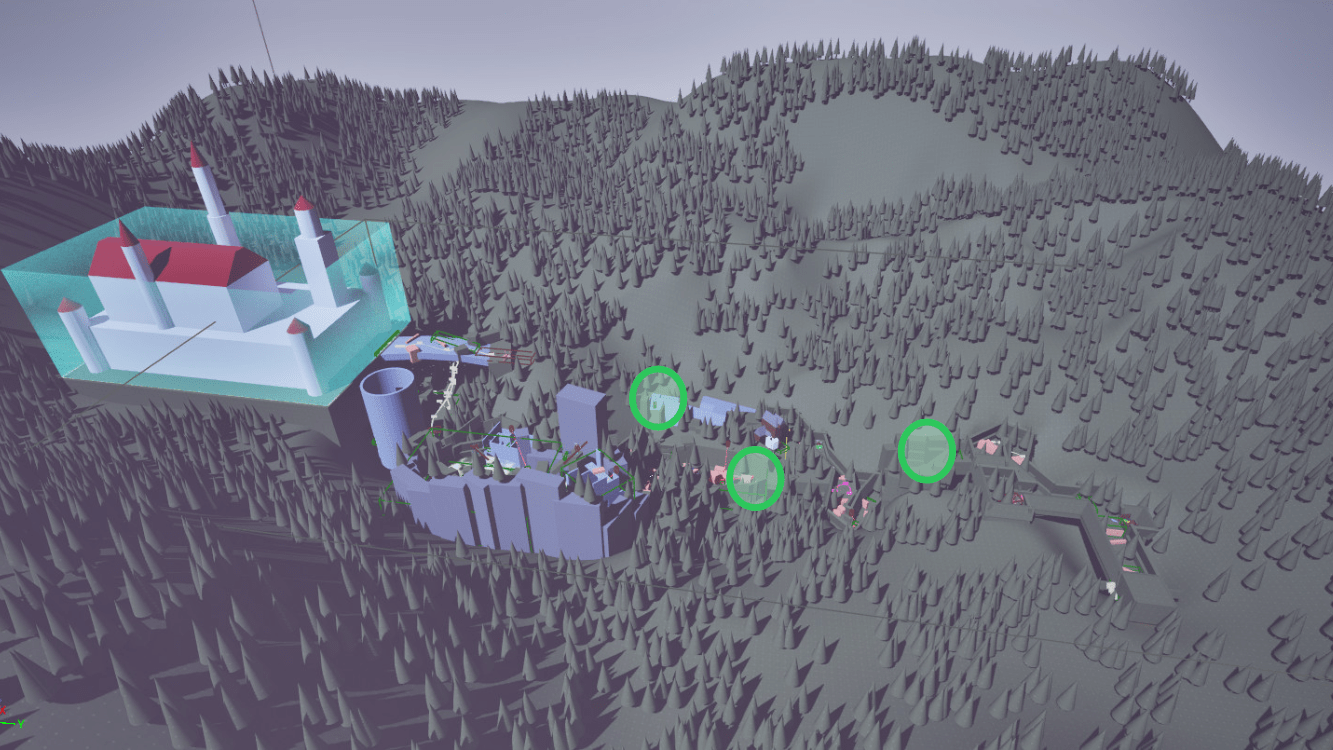
  • The first framed view of the White Tower through the trees, signaling the distant goal beyond the altered forest.

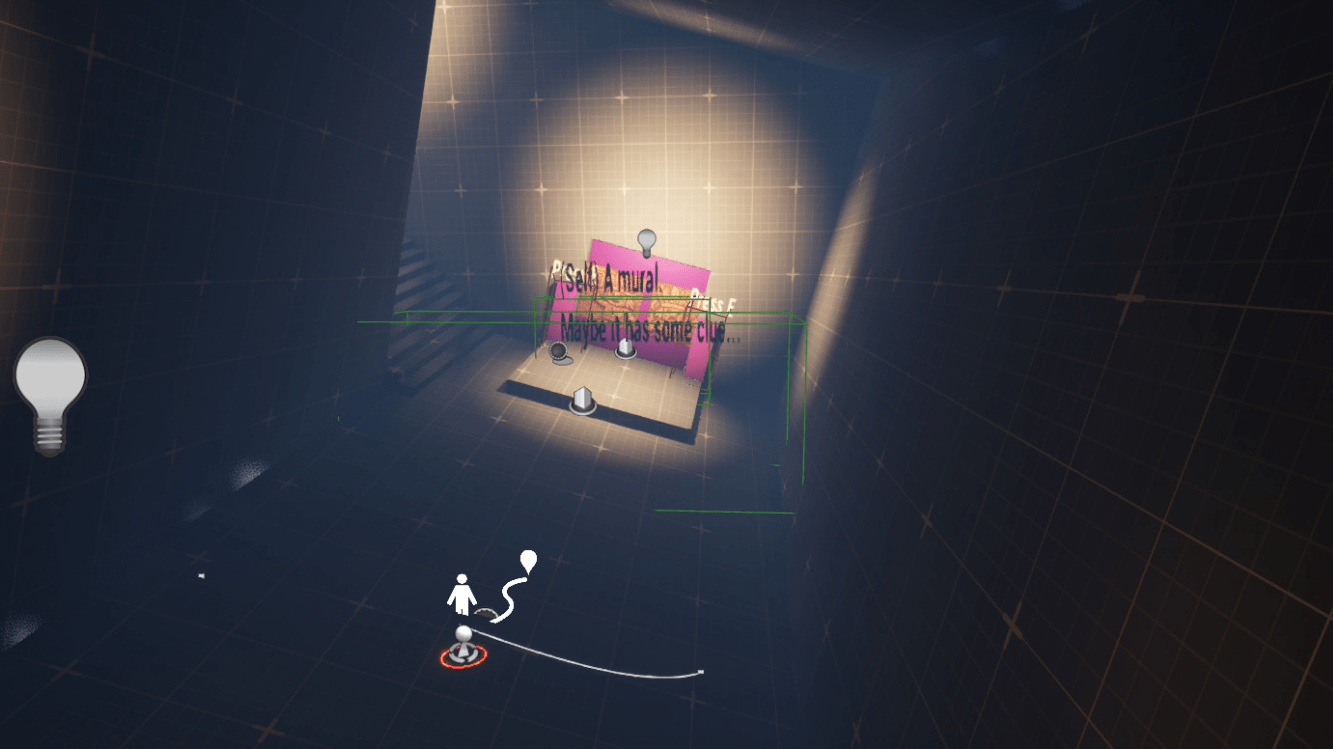
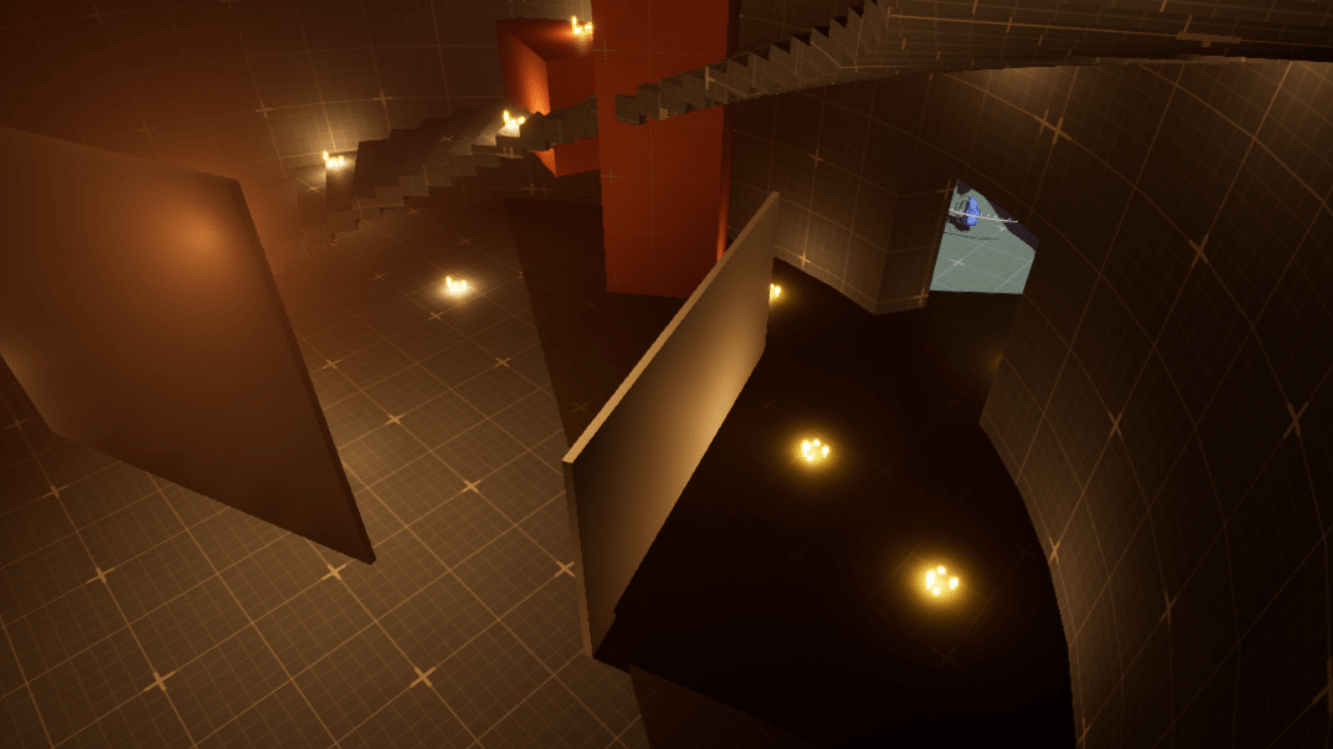
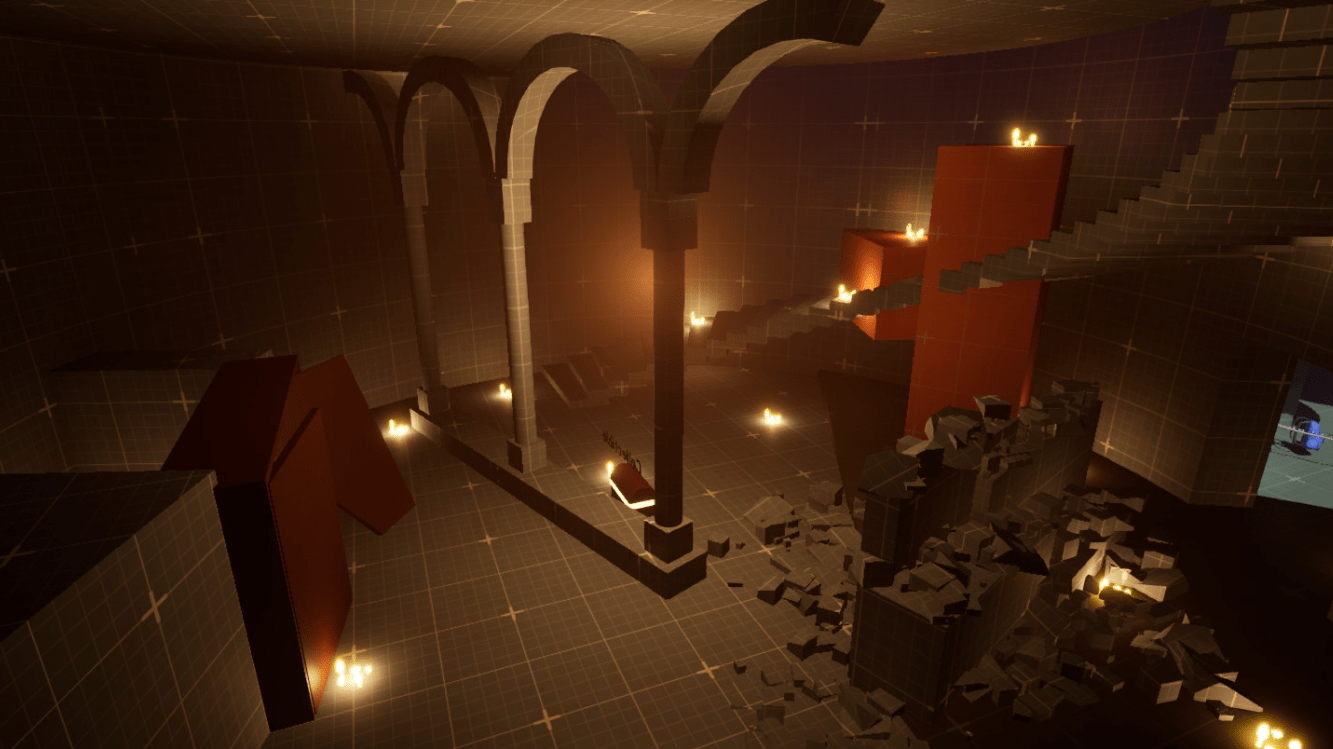
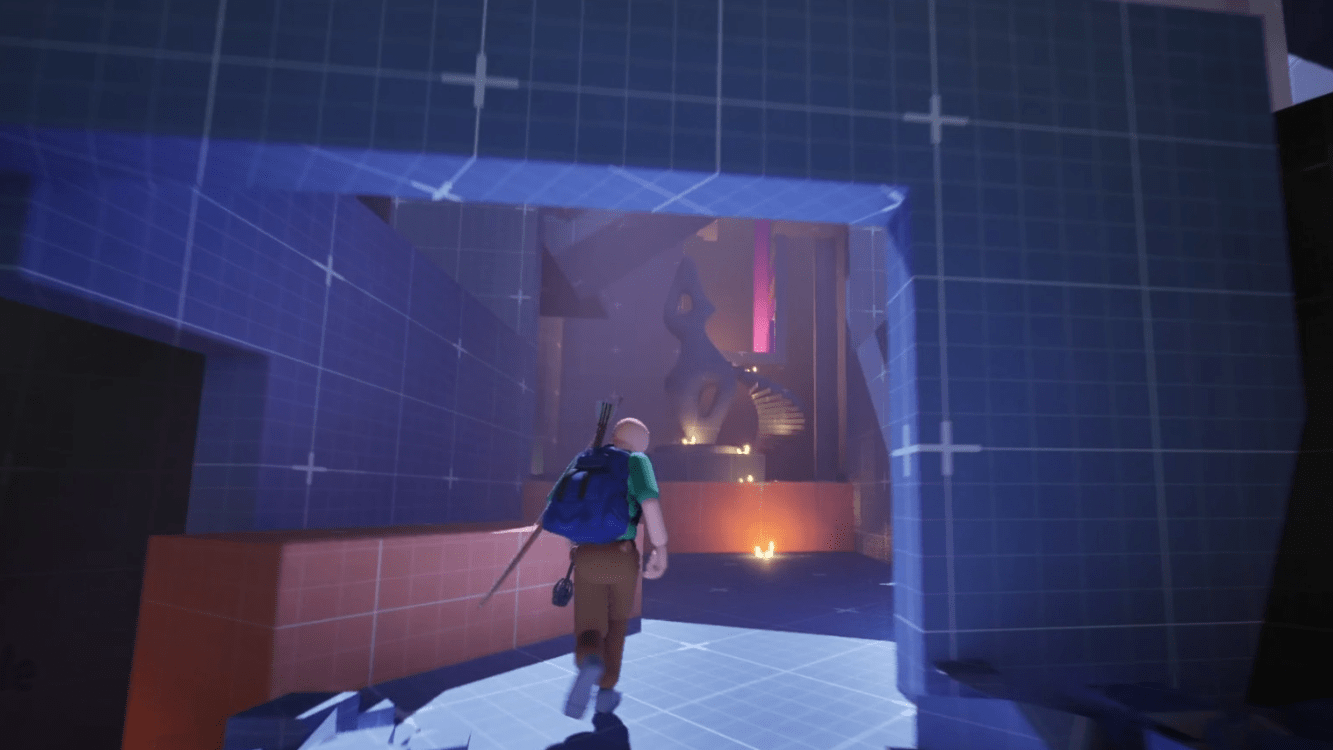
  • A striking reveal after emerging from a subterranean section, using contrast between darkness and openness to reorient and motivate.

  • A mid-level viewpoint where the tower is seen from a new angle, reassuring players they are still on the right path.

Lighting Breadcrumbing

Technique: Light breadcrumbing uses subtle light sources to guide the player through dark or complex spaces. Instead of explicitly telling players where to go, it creates a natural pull toward points of interest, making navigation feel immersive and intuitive.

Context: Since much of the level takes place in a dark, eerie forest at night, light was a key tool for both mood and navigation. Players needed guidance without breaking immersion or relying on HUD elements.

Technique Detail:

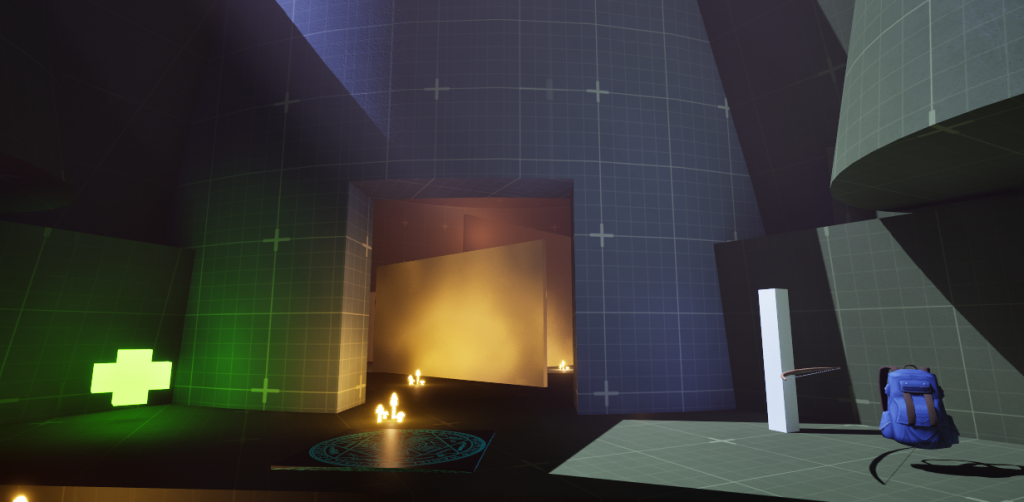
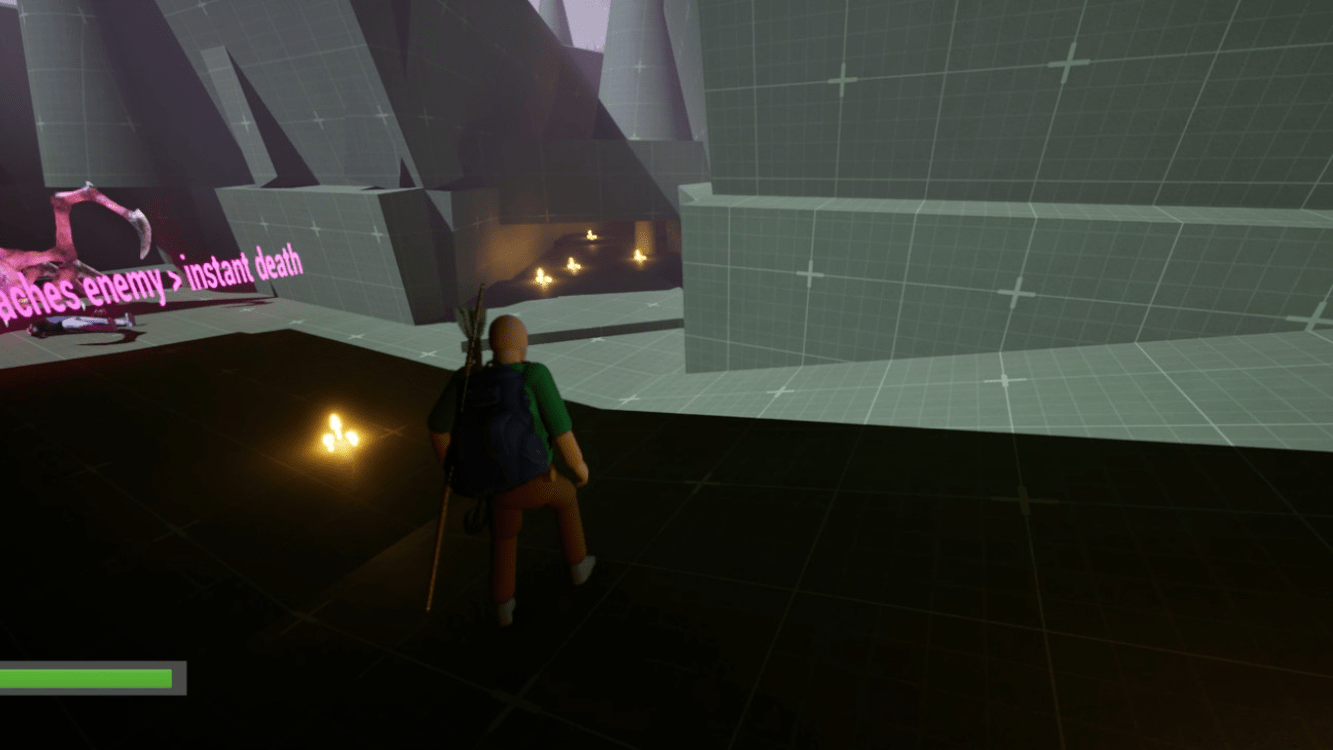
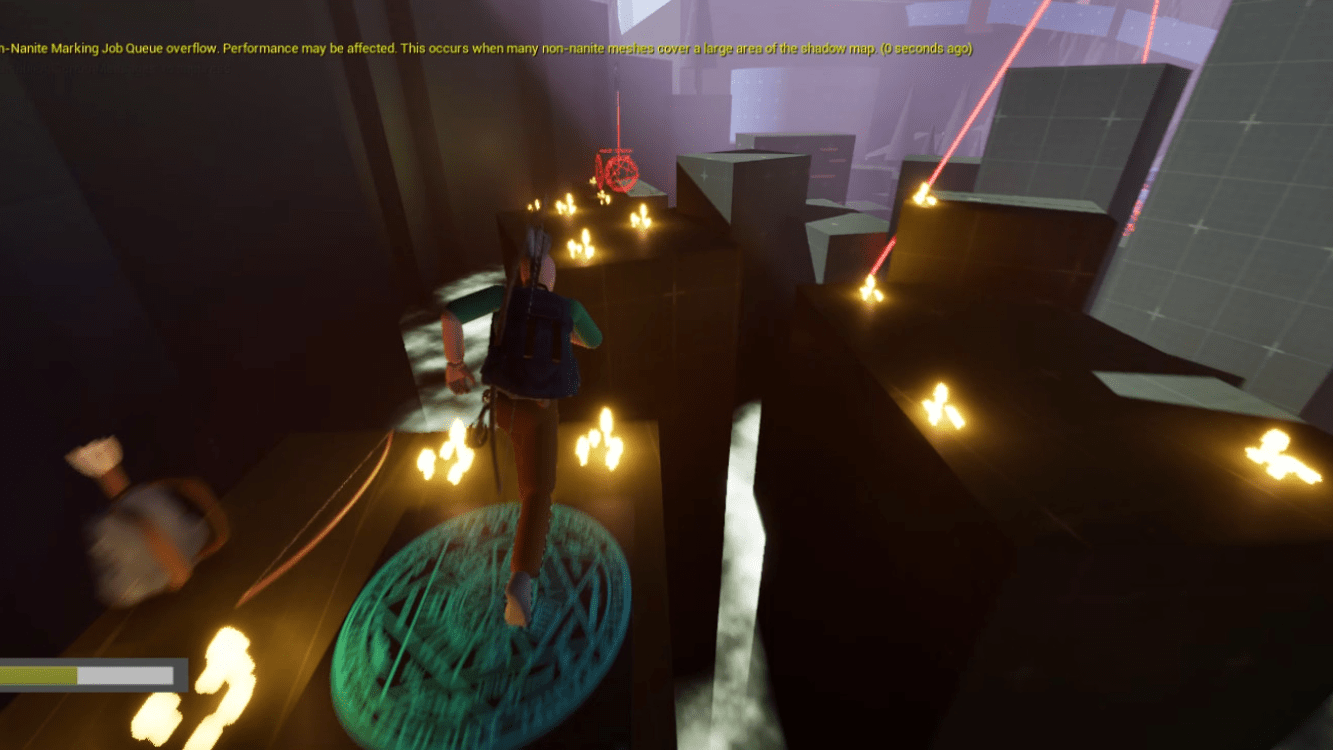
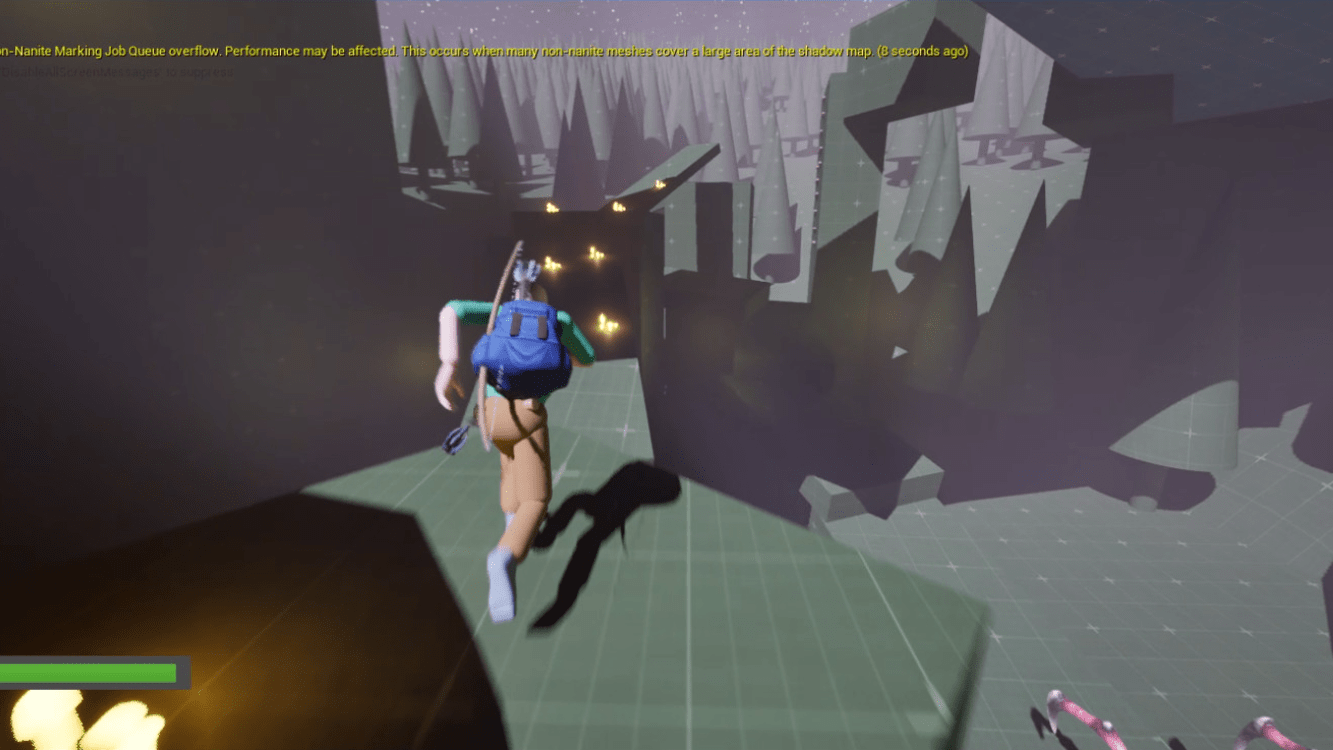
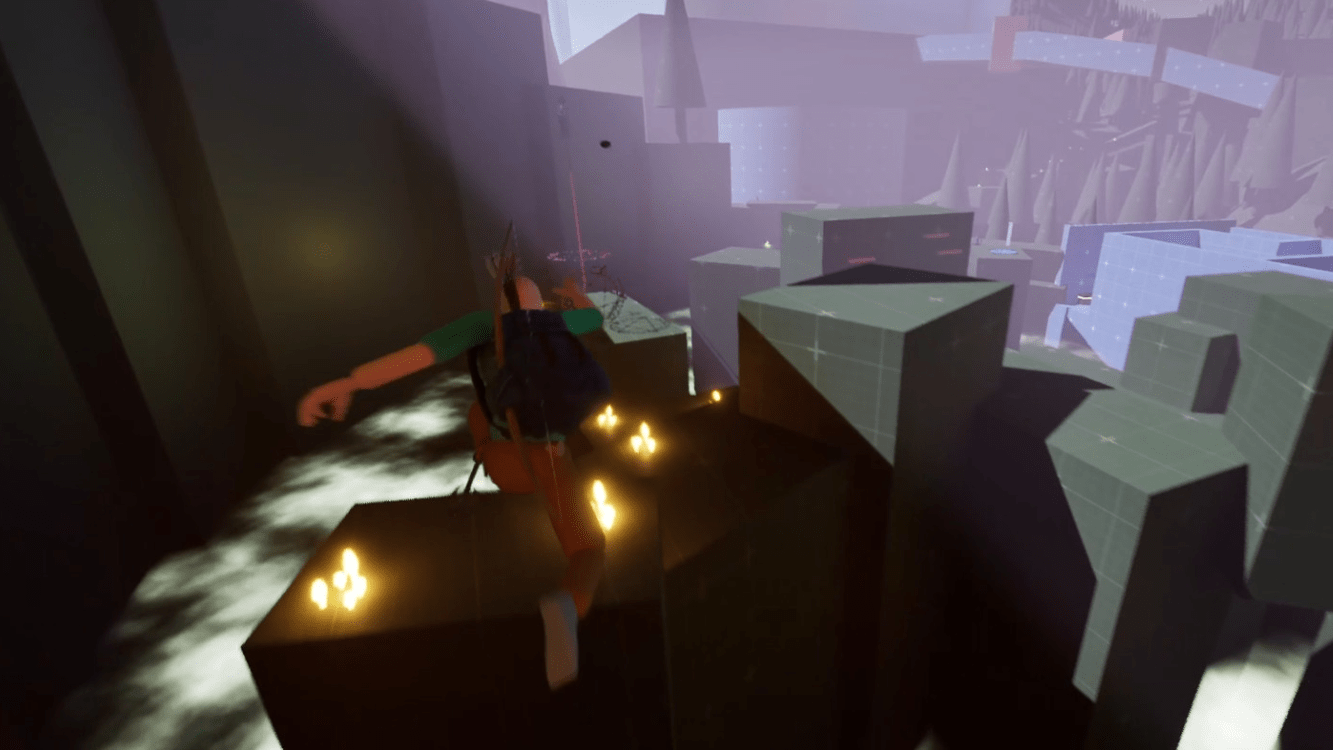
  • Small clusters of glowing mushrooms light up dark paths, ensuring players don’t feel lost.

  • Light sources highlight critical traversal points, like platforms.

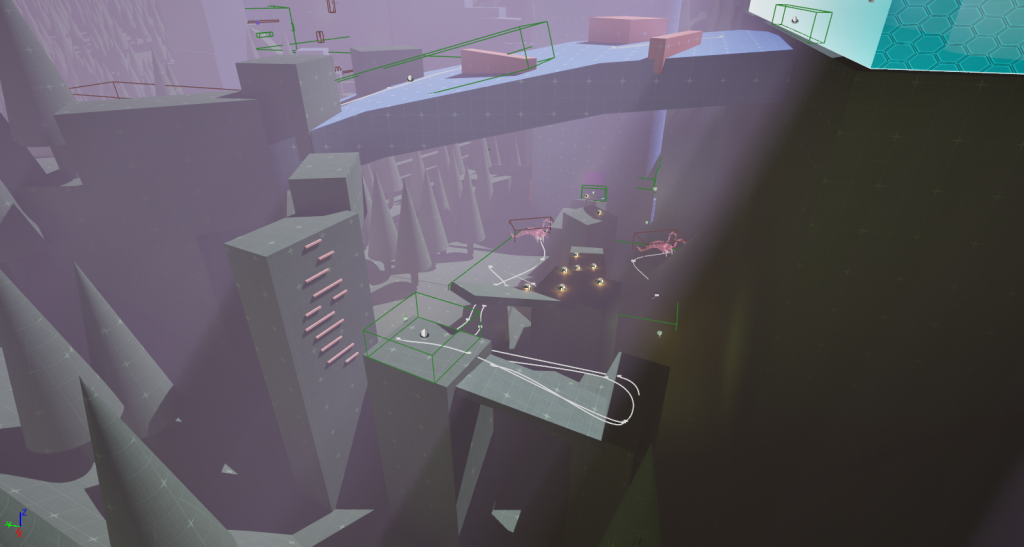
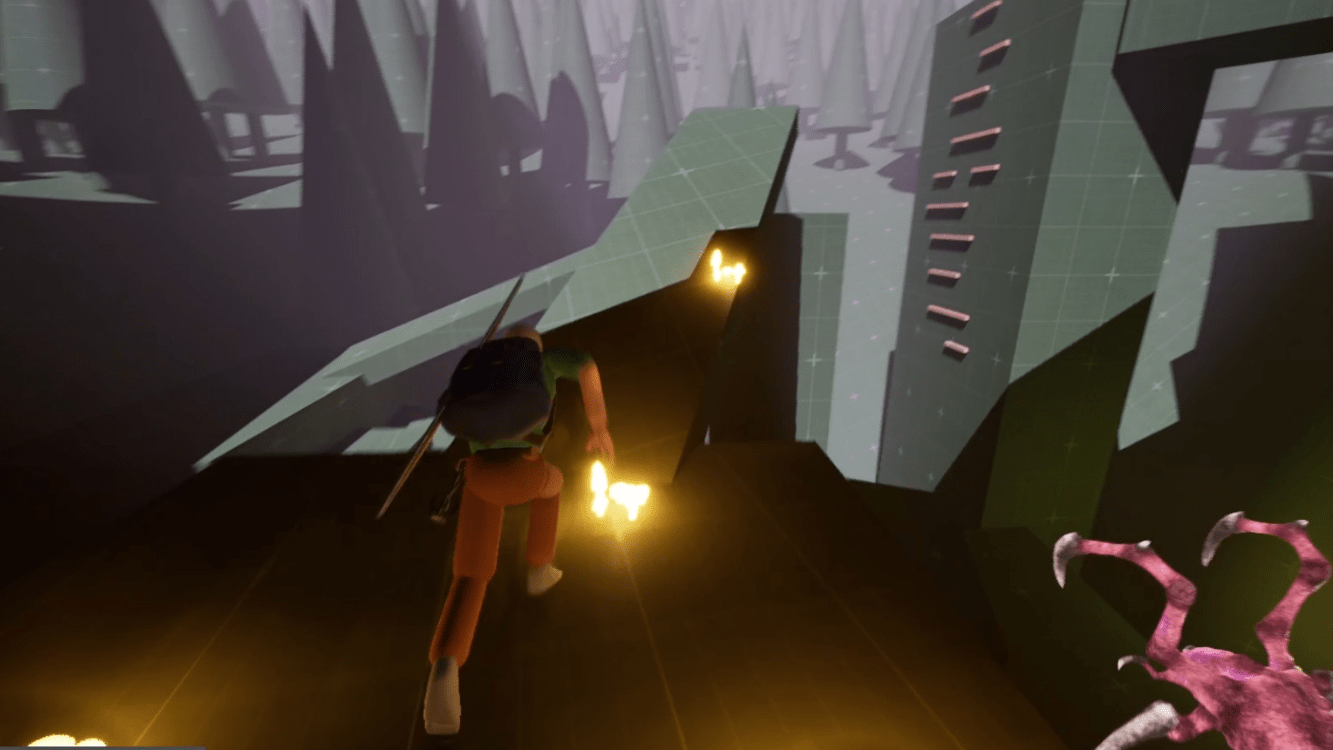
  • During fast, high-stress moments like chases, light trails act as instinctive guides, letting players focus on survival rather than navigation.

Walkthrough

Skip to ↓
11 Videos
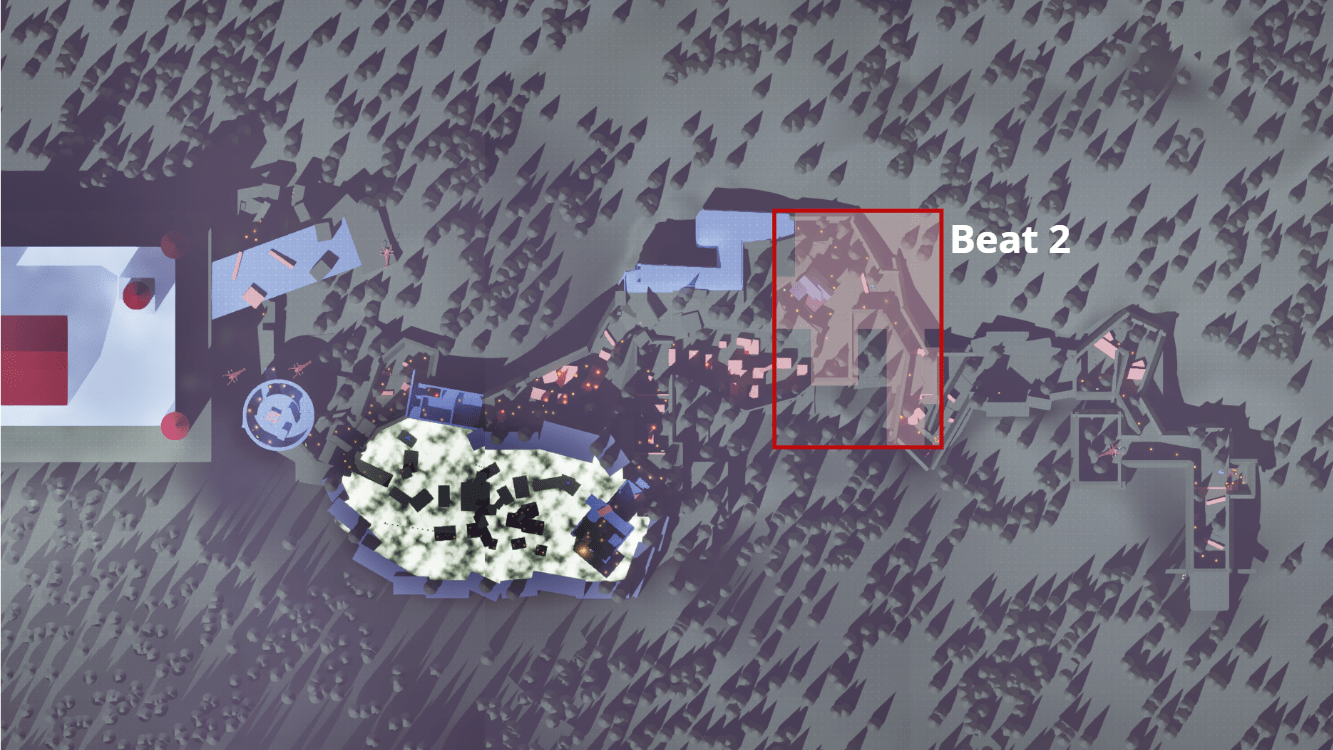
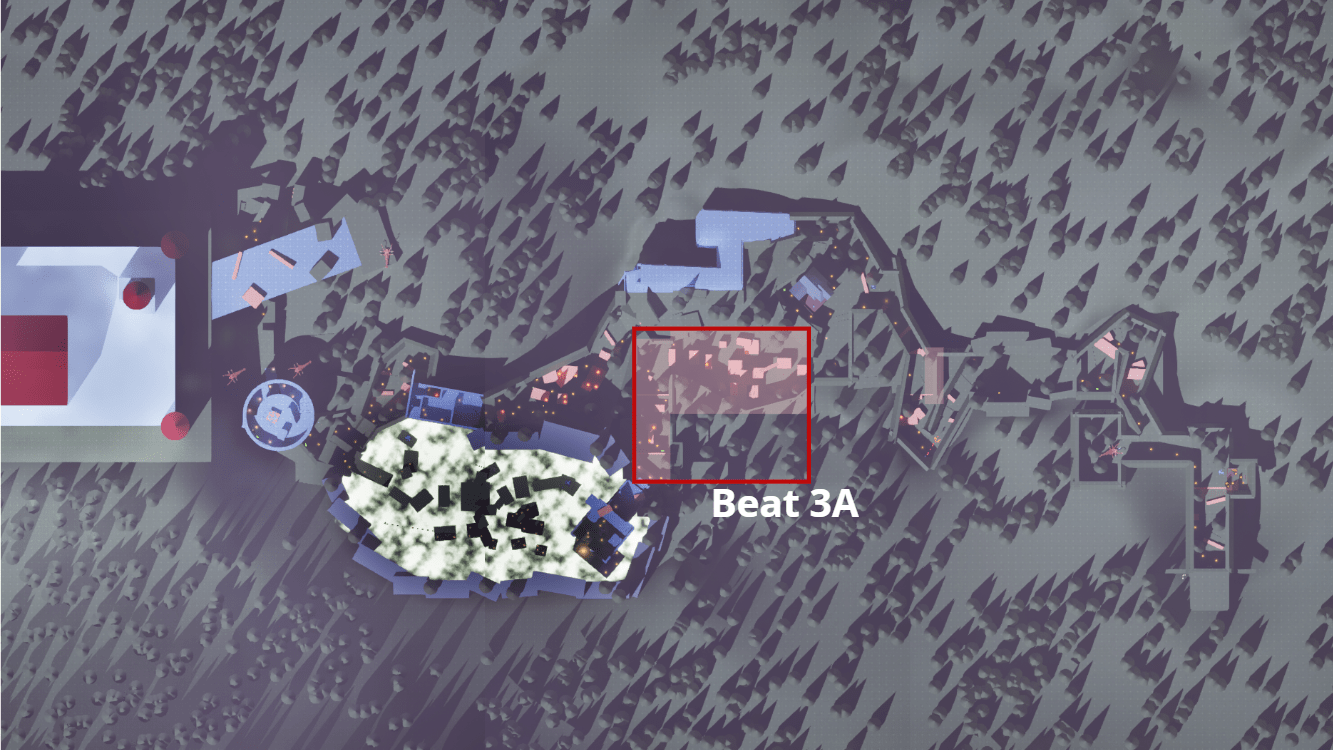
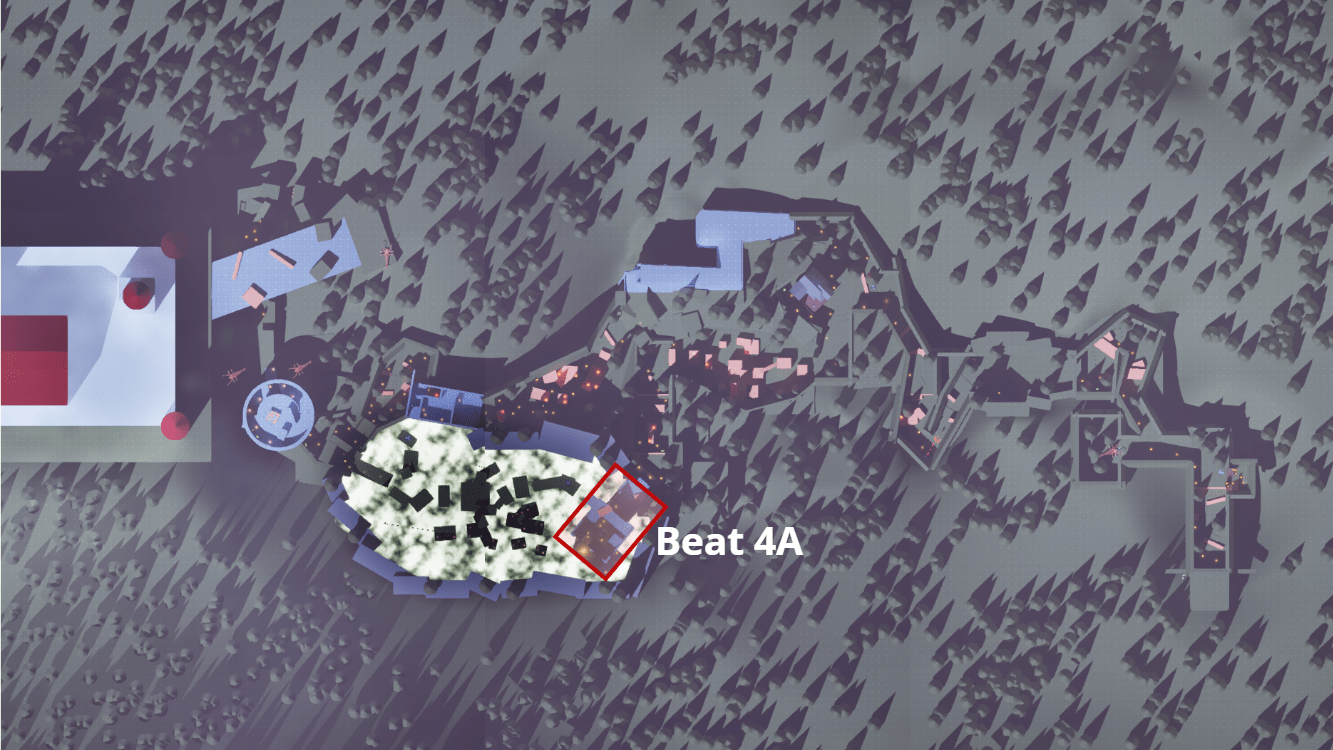
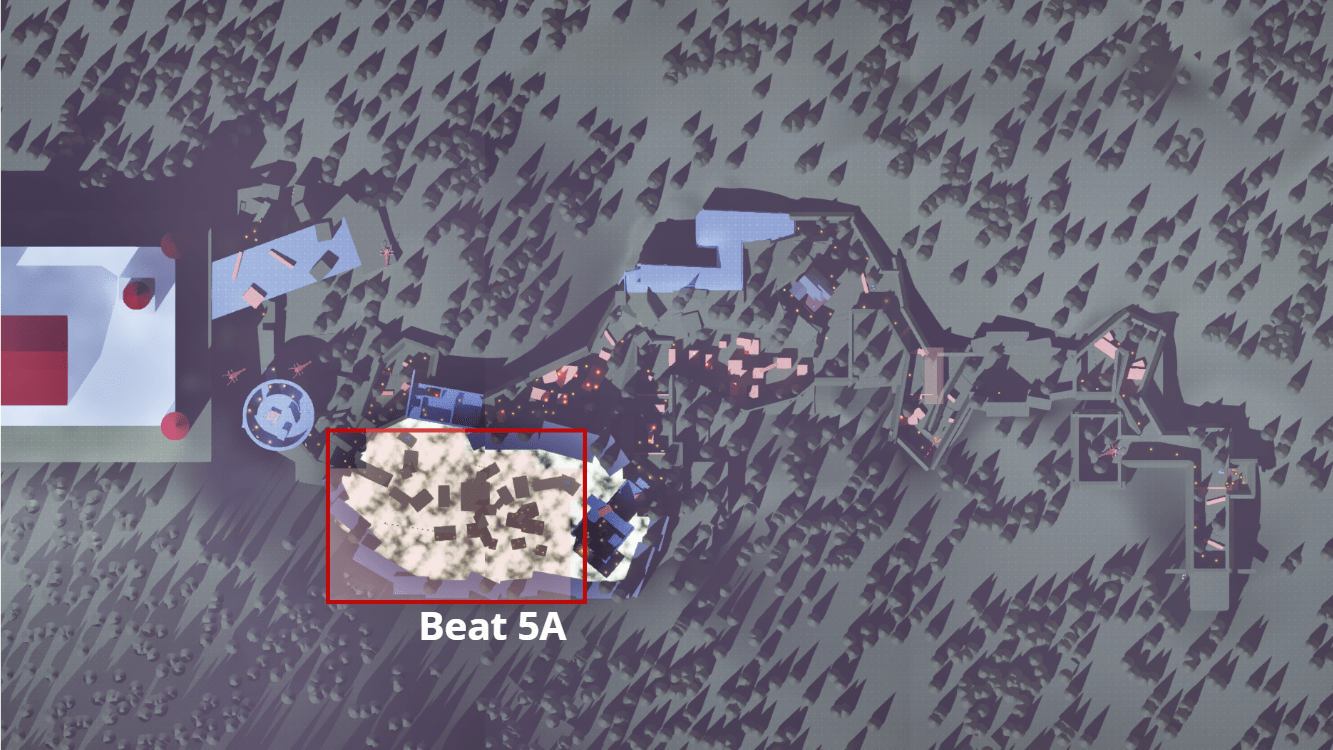
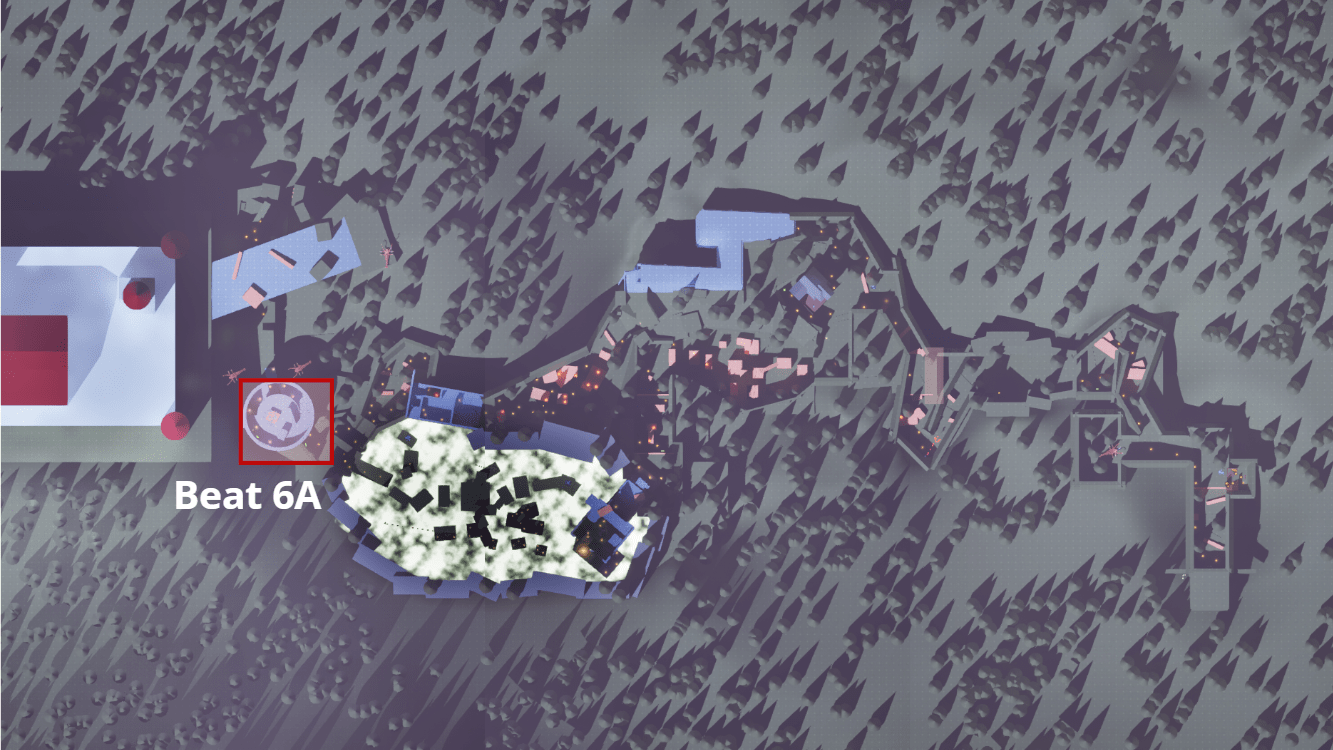
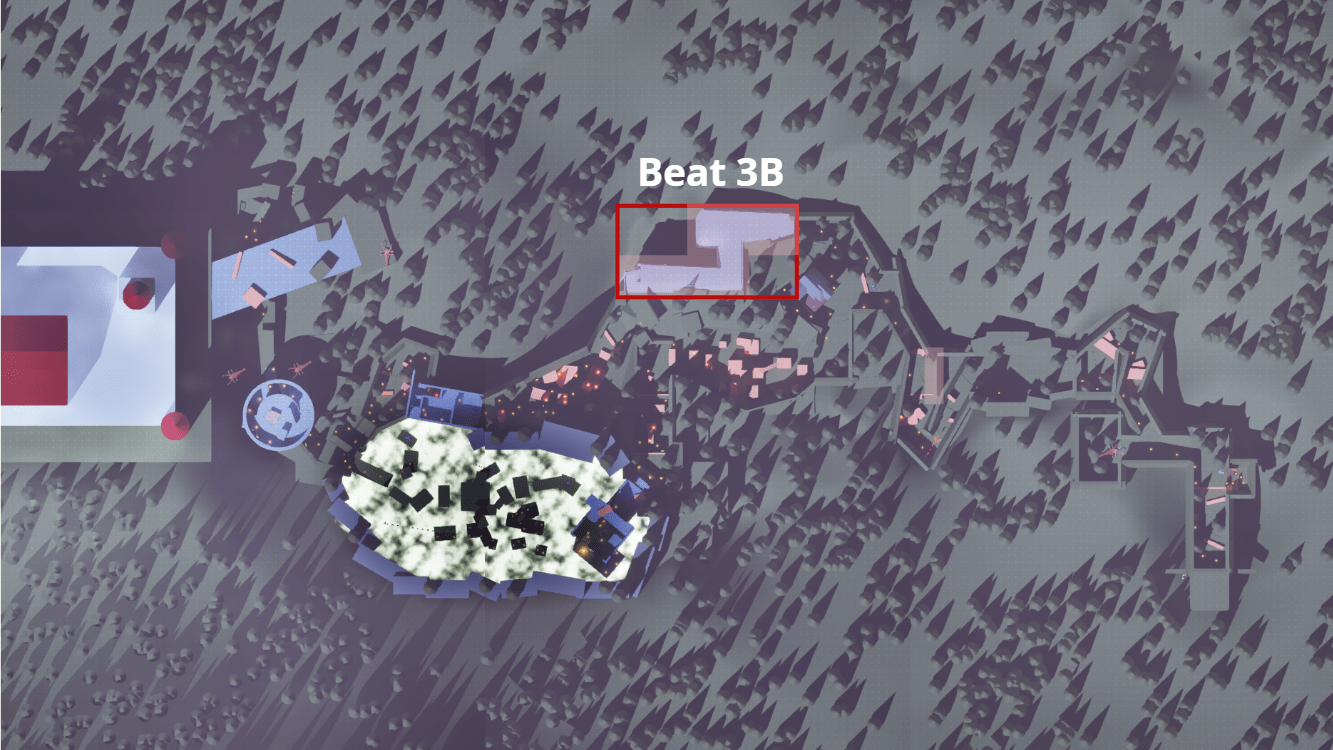
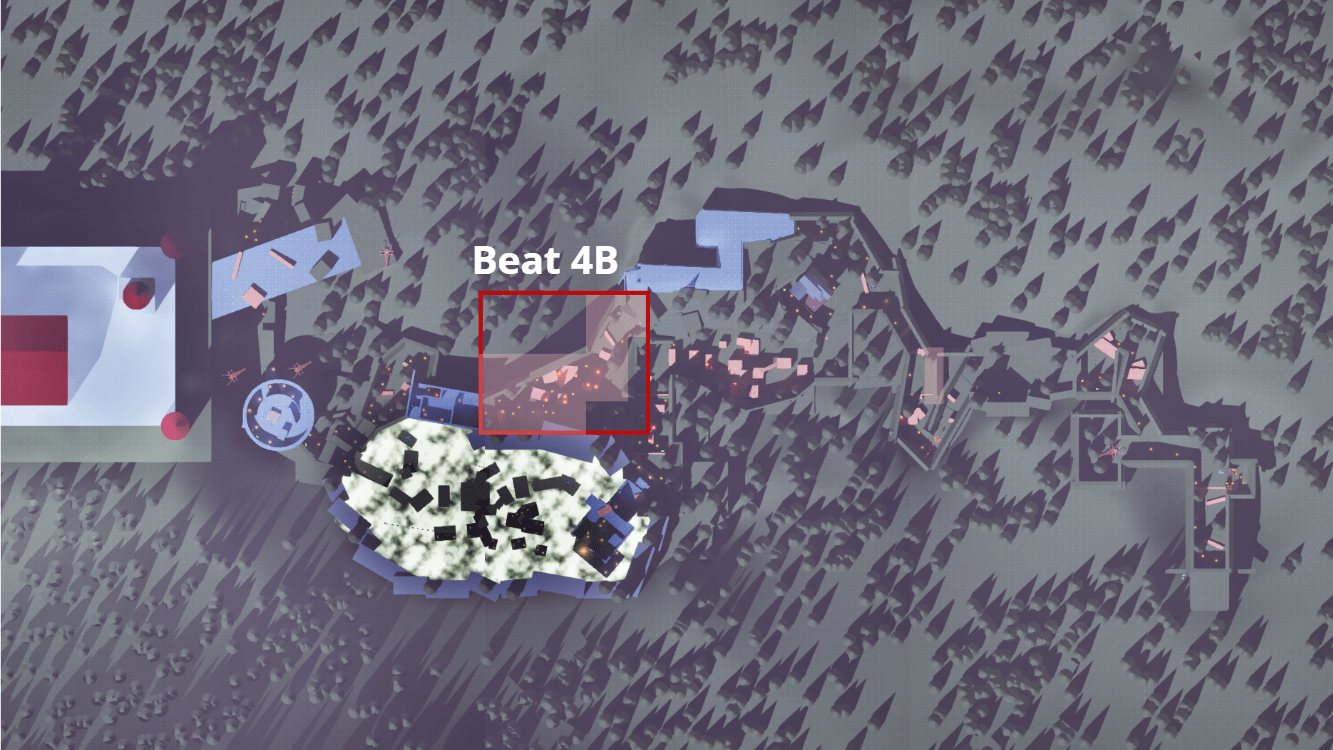
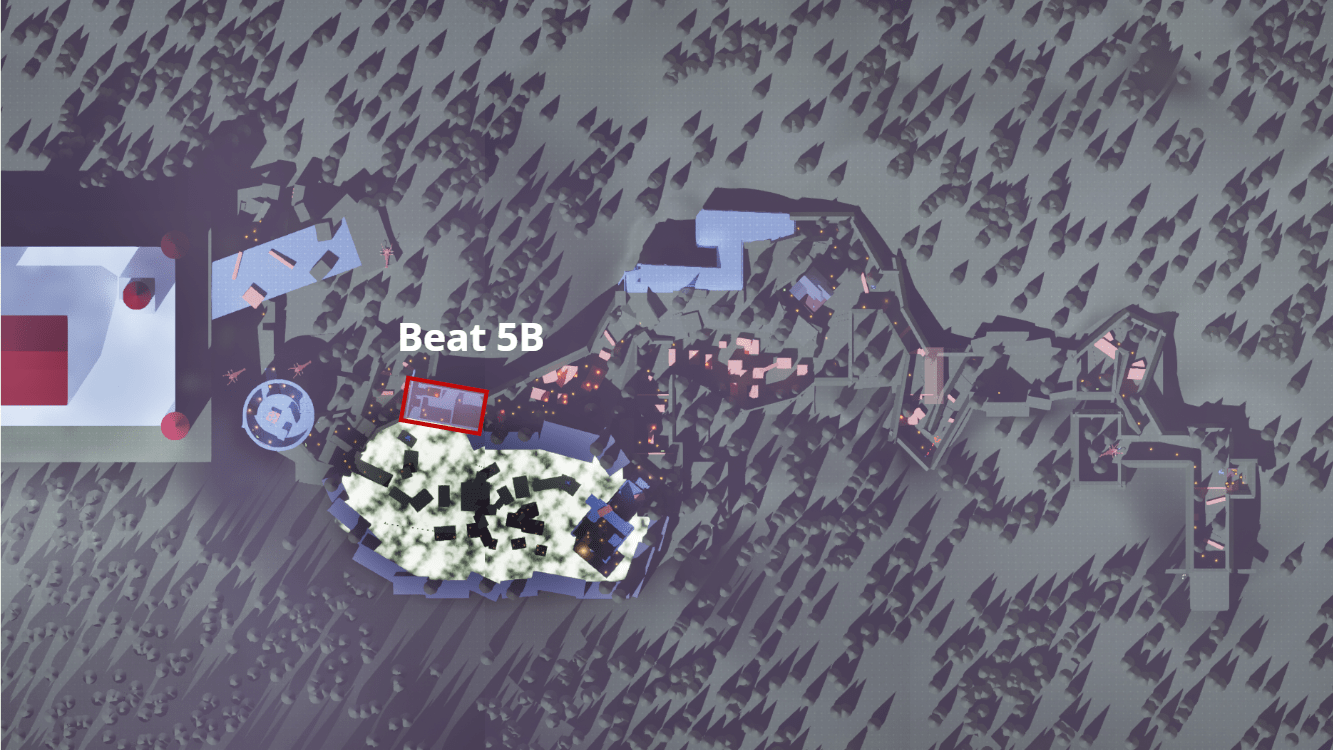
Beat Overview

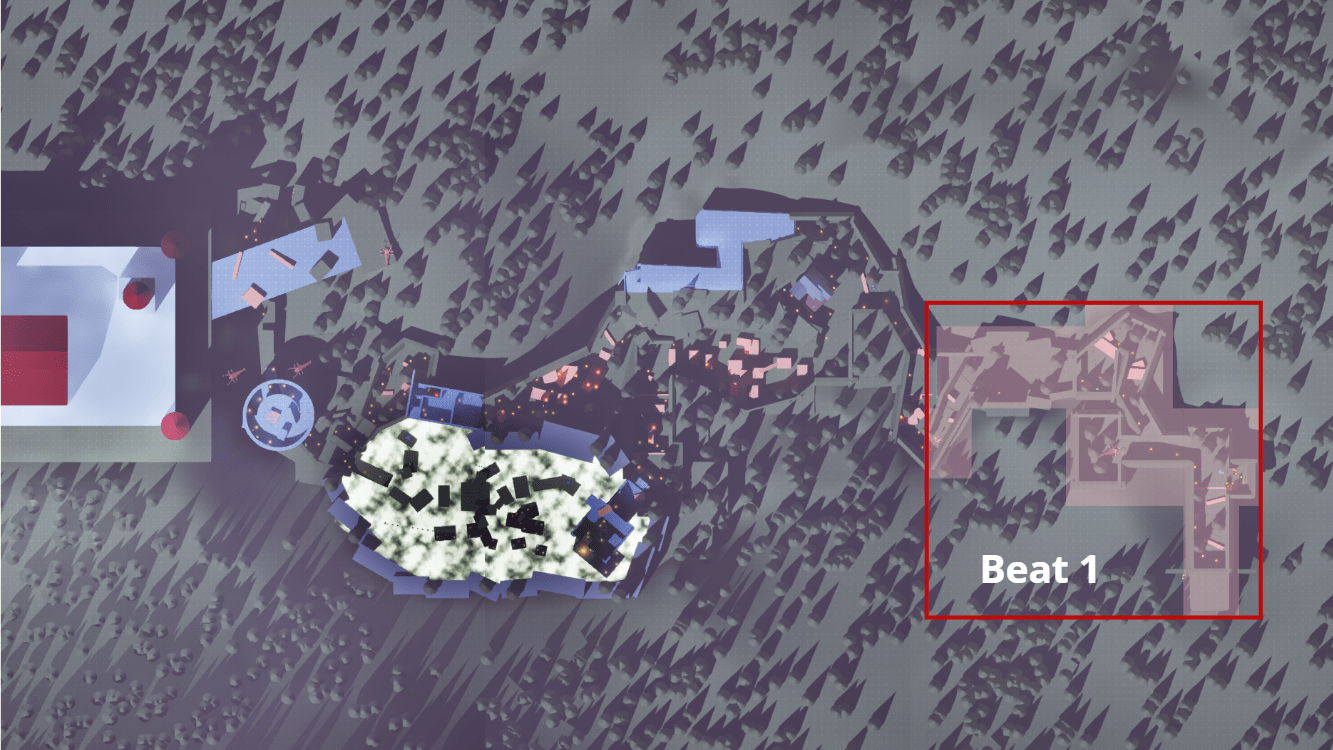
Beat 1: Tutorial

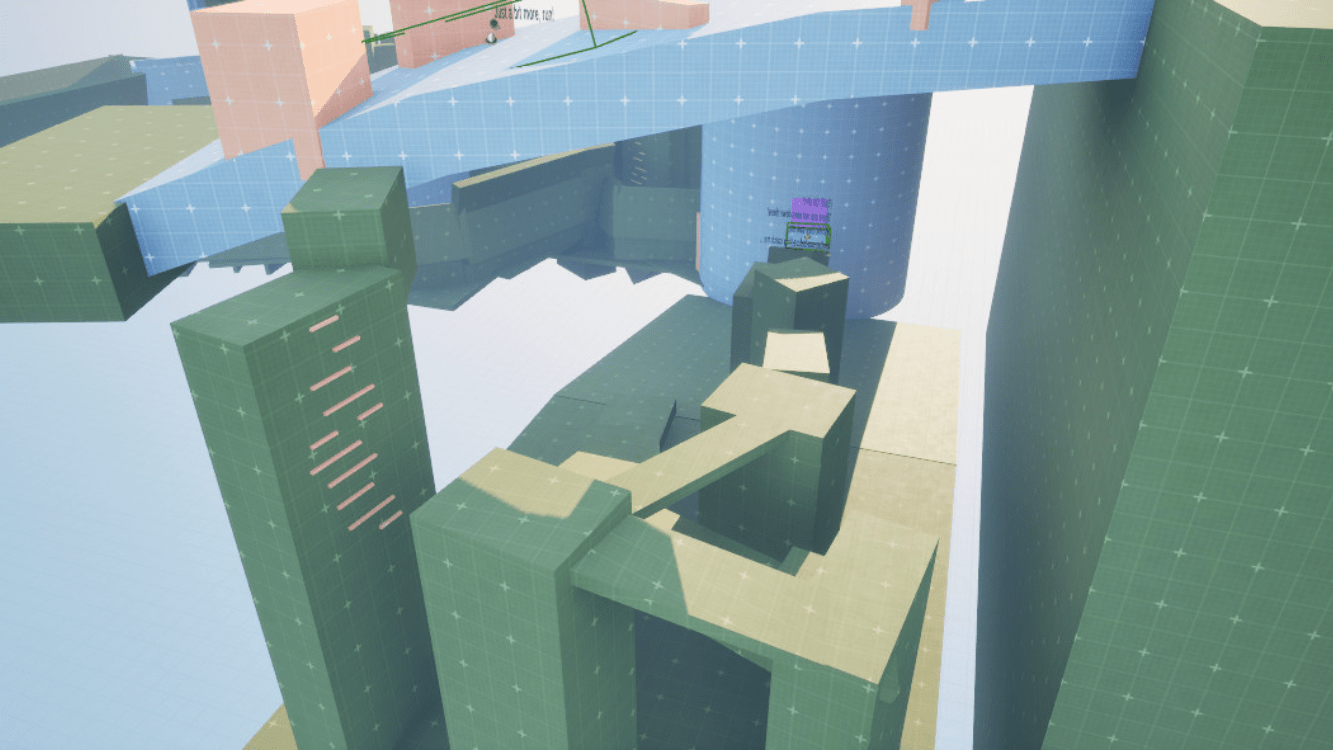
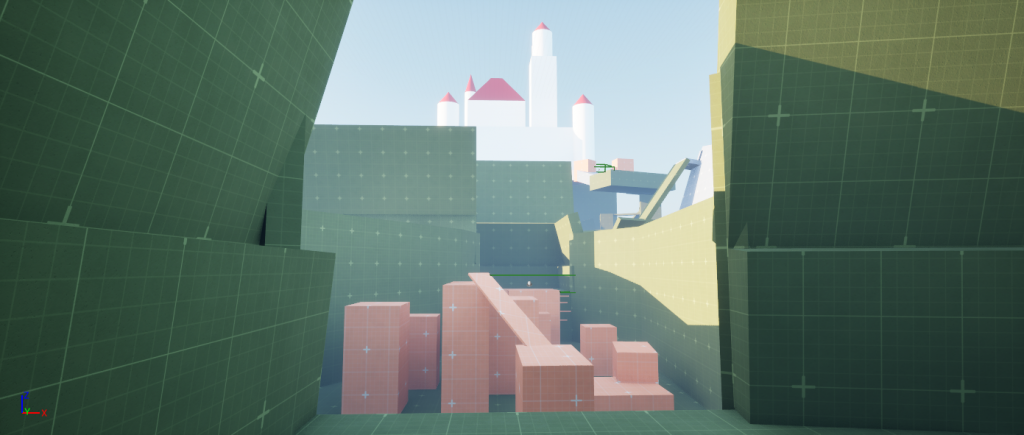
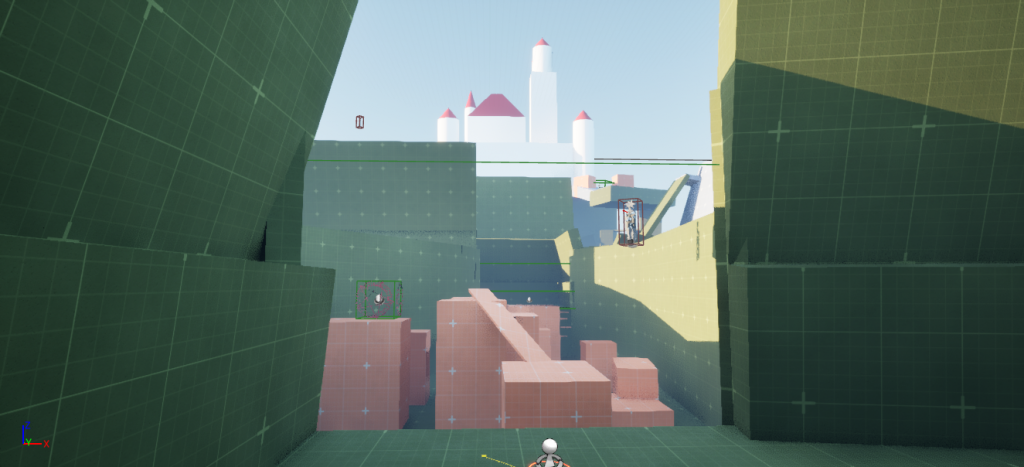
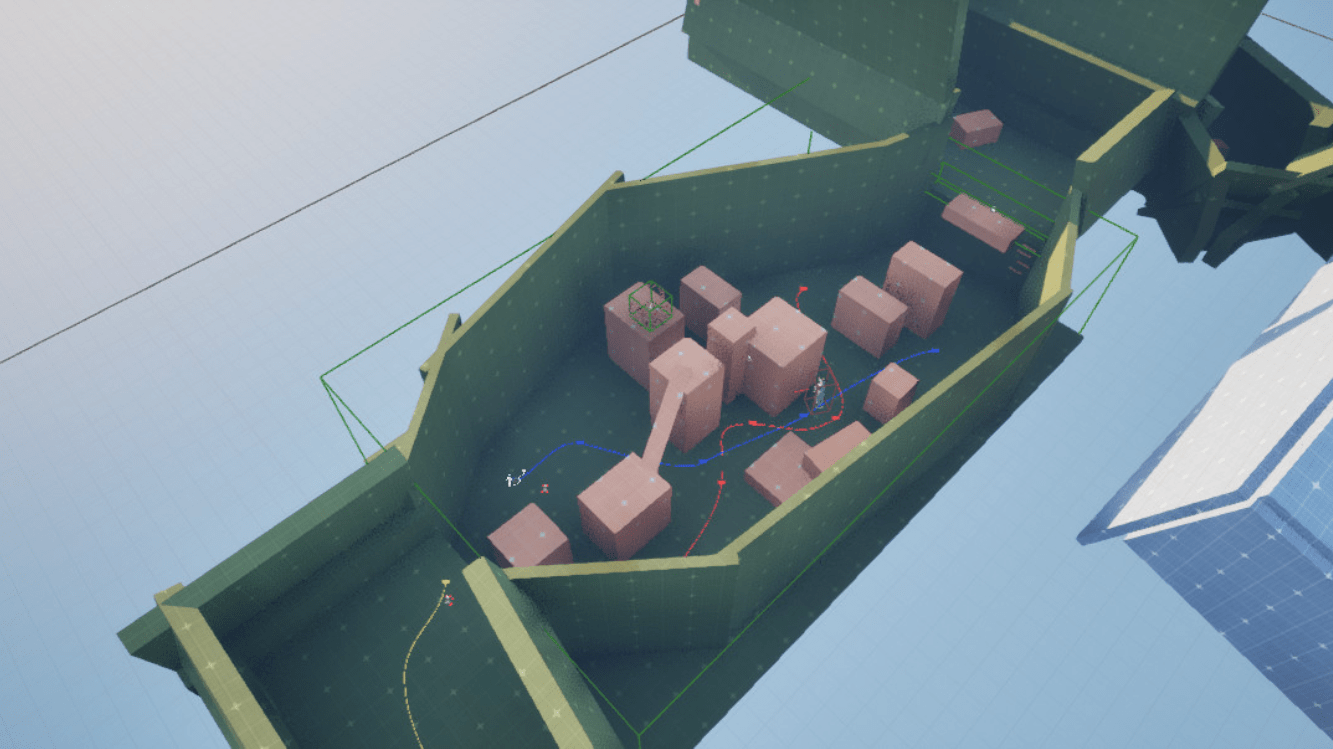
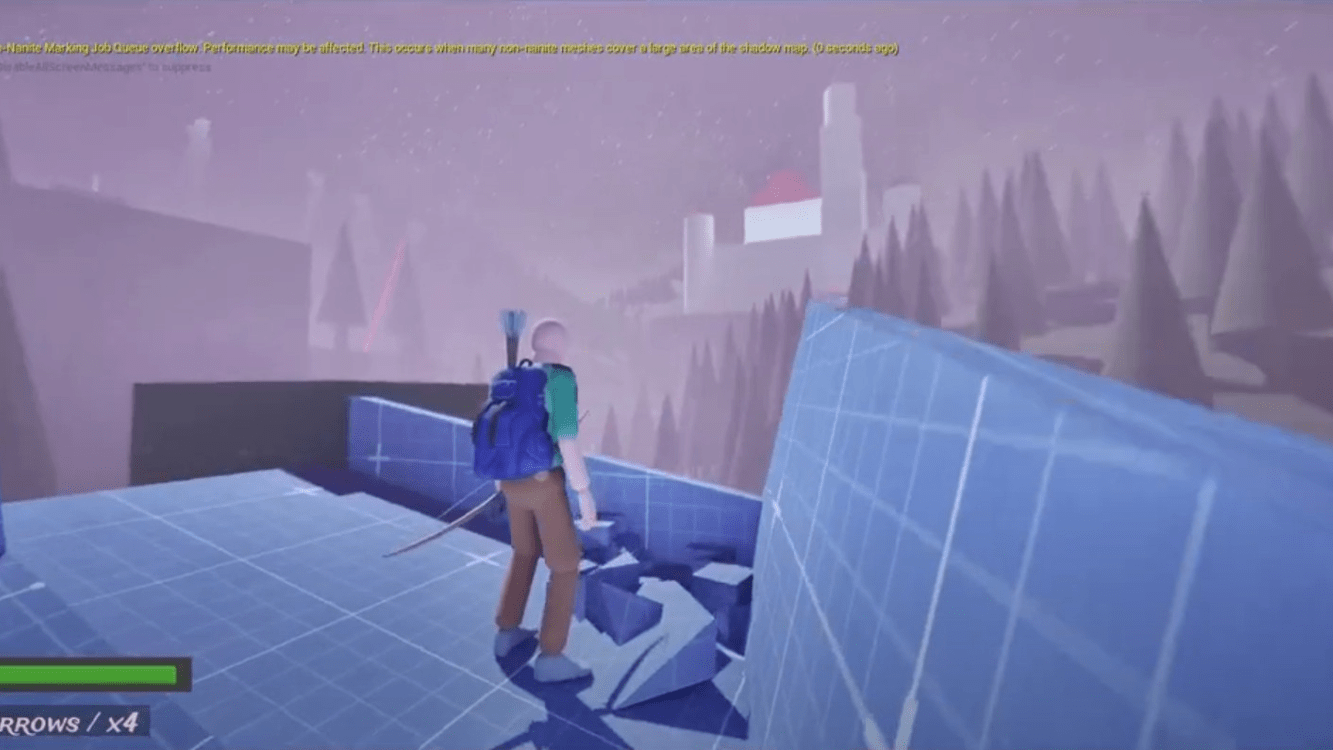
Players begin in an introductory area that delivers narrative context, reveals a vista of the main objective, and introduces the first enemy encounters in a more controlled environment.
Process Breakdown

Overview

1. Research, Ideation & Planning

Level Idea: A cursed forest. The player, a low-level squire, must navigate hostile terrain, avoid or fight monsters, and solve puzzles to reach a distant castle. Design emphasizes tension, psychological pressure, and spatial exploration.

Analyzing Games: Limbo inspired pacing and tone. Tomb Raider informed traversal structure and visual storytelling. Breath of the Wild influenced verticality and landmark-driven navigation.

Real-World References: Ruins, overgrowth, and terrain occlusion from real forests and castles guided exploration and informed tone.

Other Media: Adapted eerie forests and spiritual overtones from Princess Mononoke, The Two Towers, and Cabin in the Woods to reinforce themes of isolation, corruption, and escape.

2. Level Design Document

LDD: I created a level design document to keep track of the overall structure and information of the level, which includes:

  • Level Objectives
  • Narrative & Setting
  • Gameplay Mechanics
  • Level Beats
  • Level Layout & Structure
  • Enemies & NPCs

Beat Sheet: I built a colour-coded beat sheet outlining each section of the level and its intended gameplay type (traversal, combat, puzzle, etc.). It was redone after the pivot.

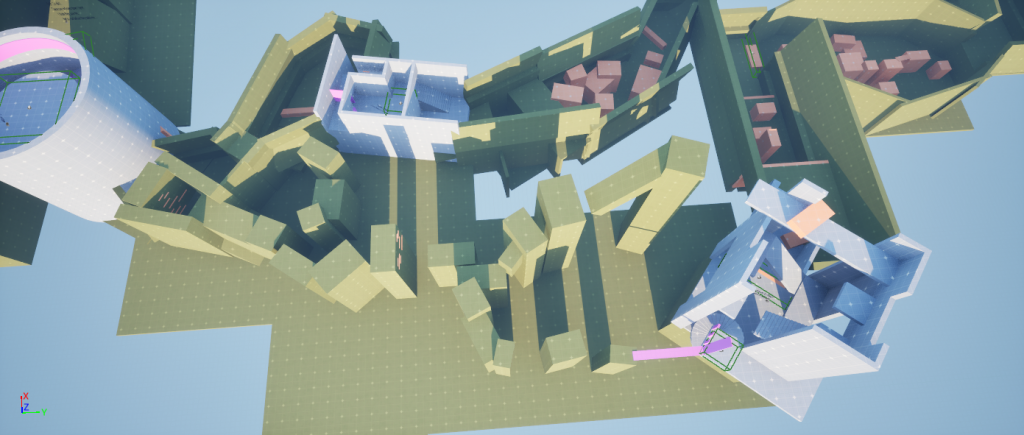
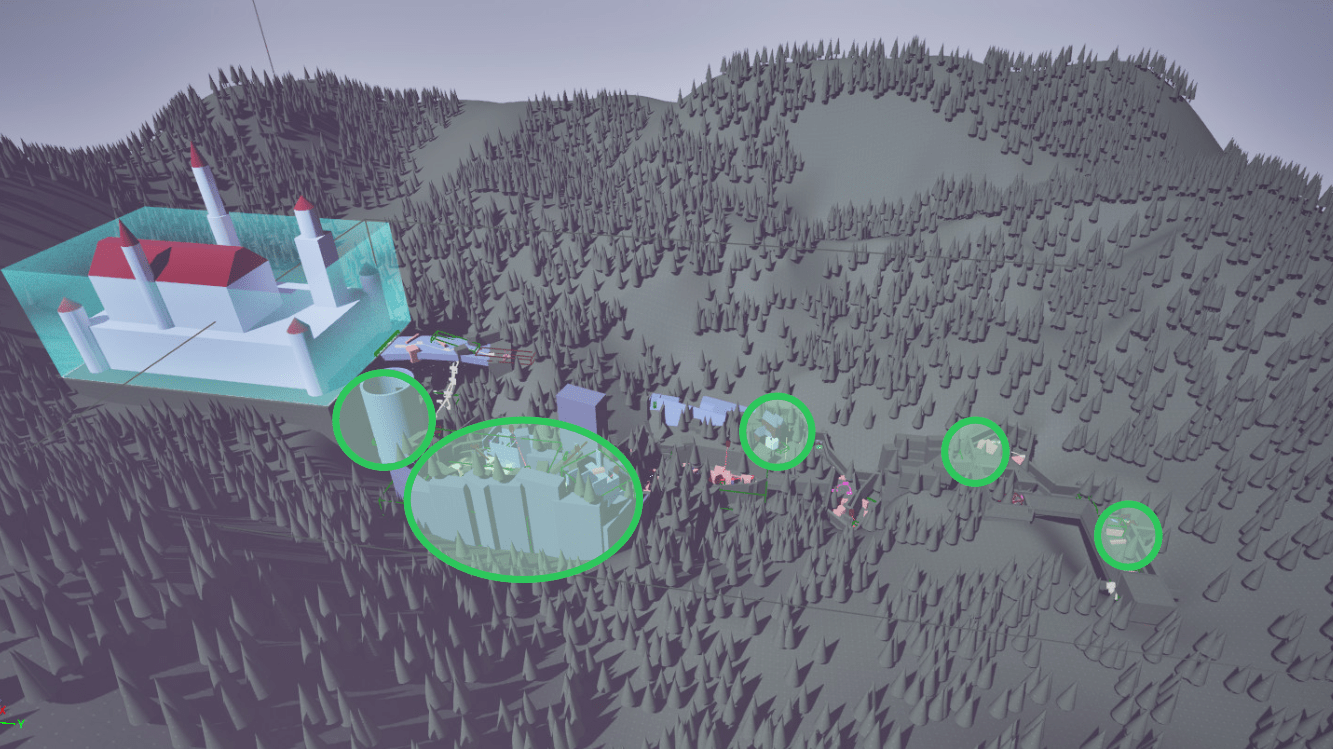
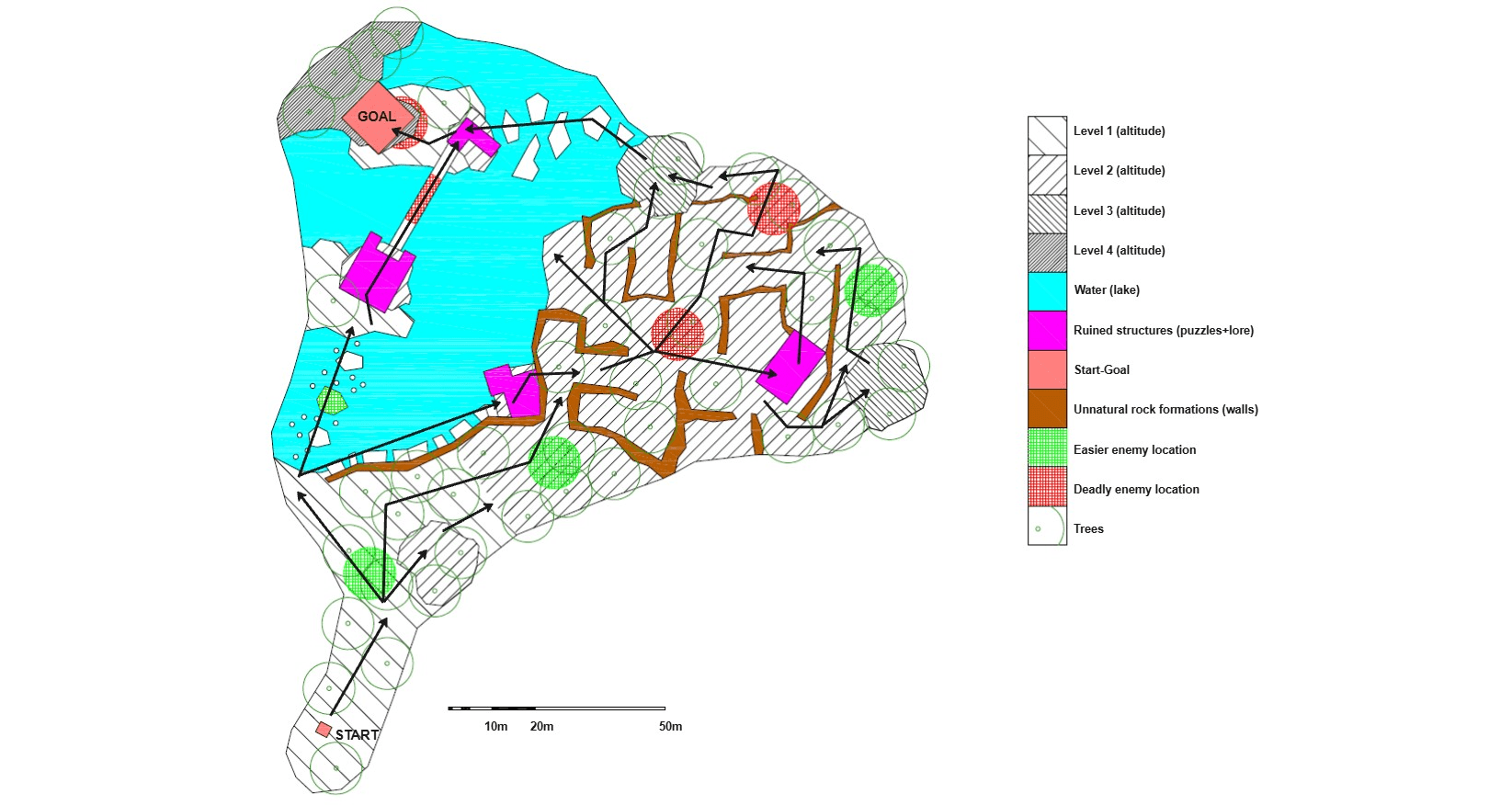
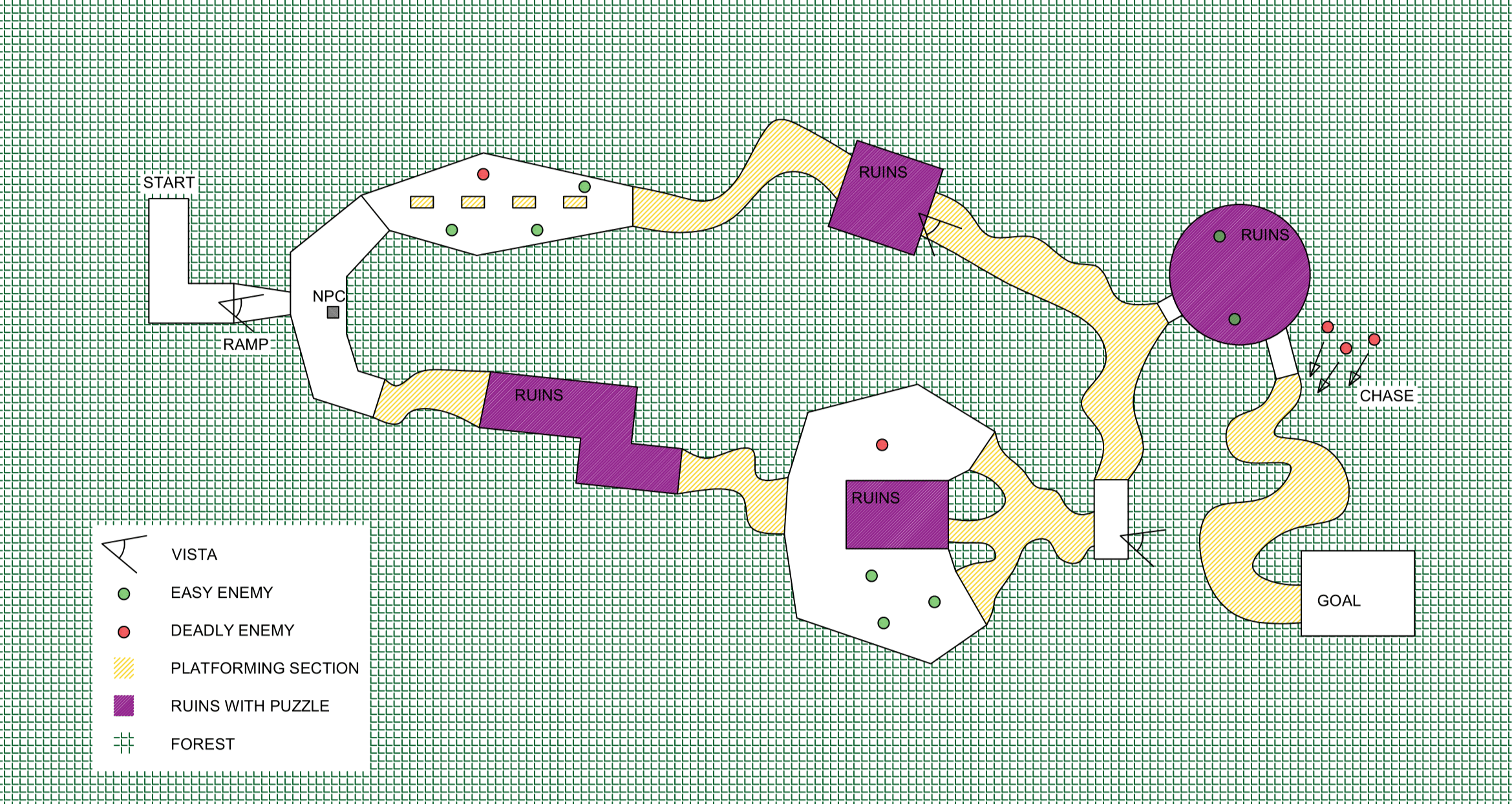
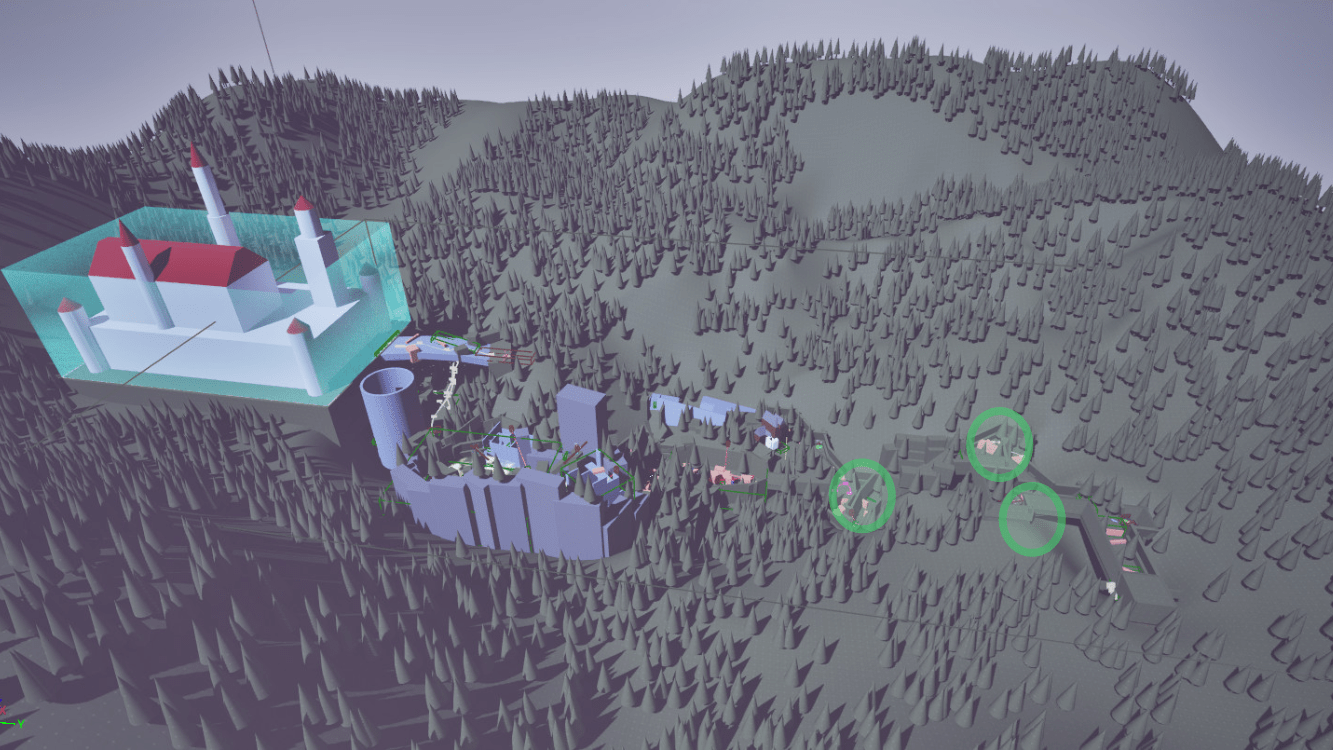
2D Map Layout: I created a 2D map to place all beats and gameplay spaces, also redone after the pivot.

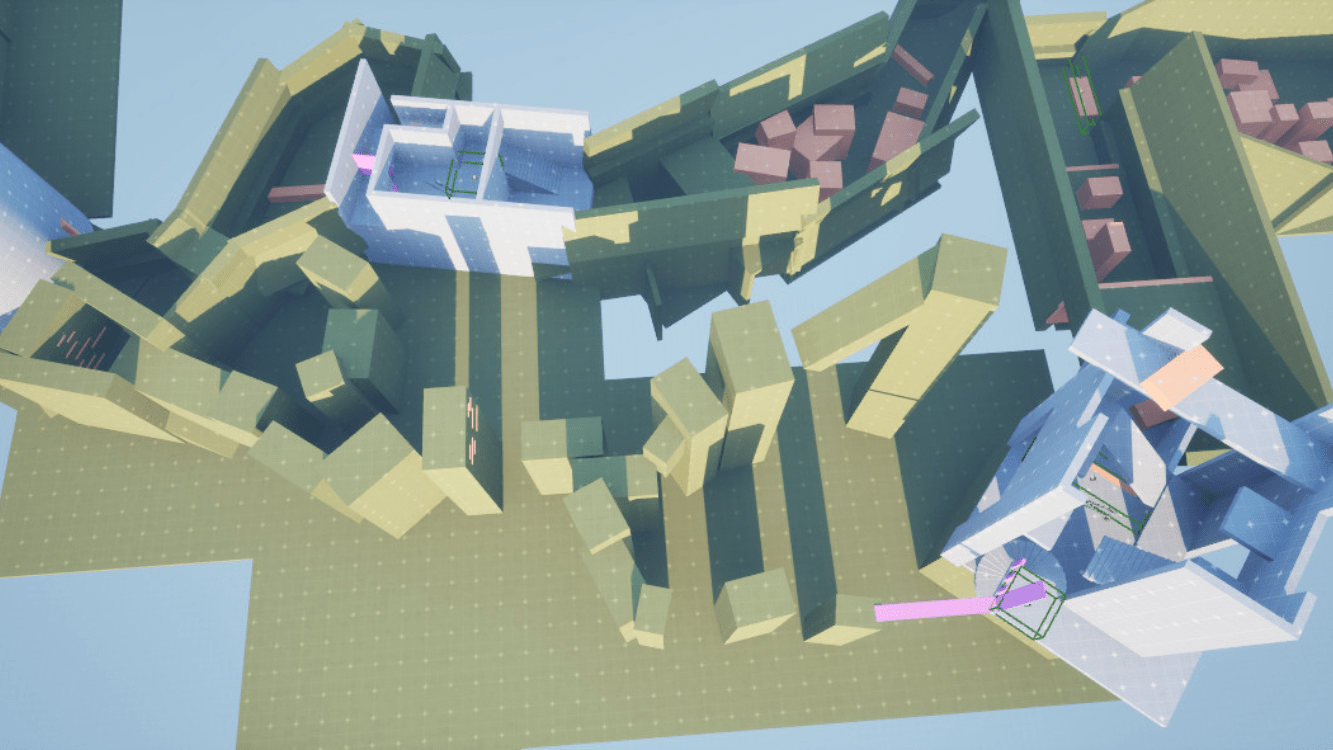
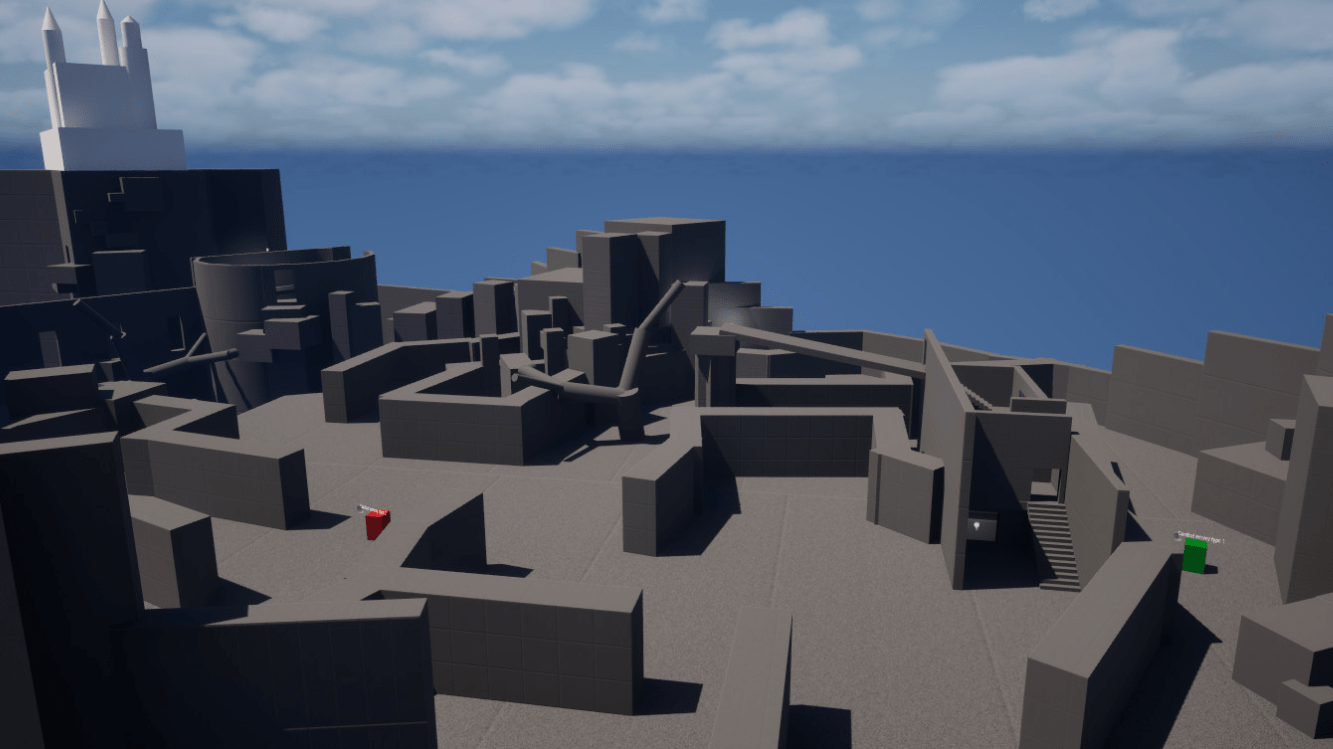
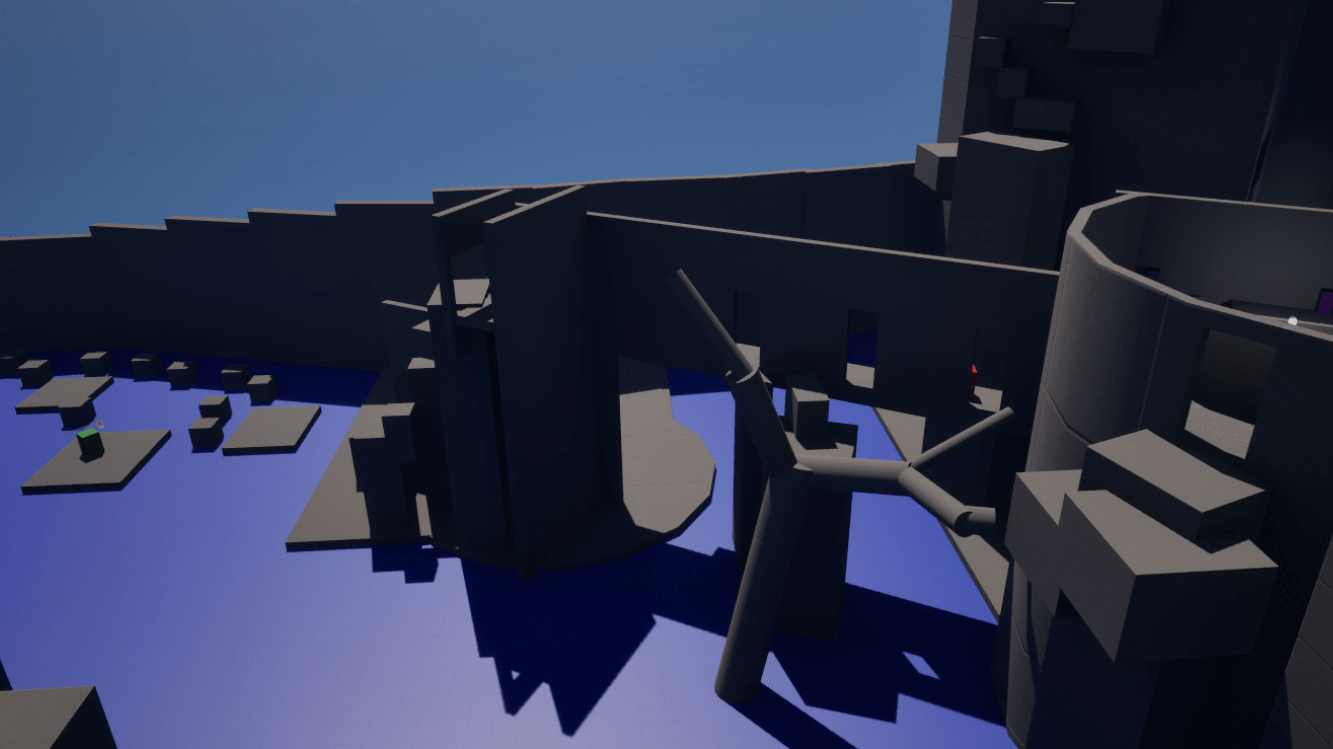
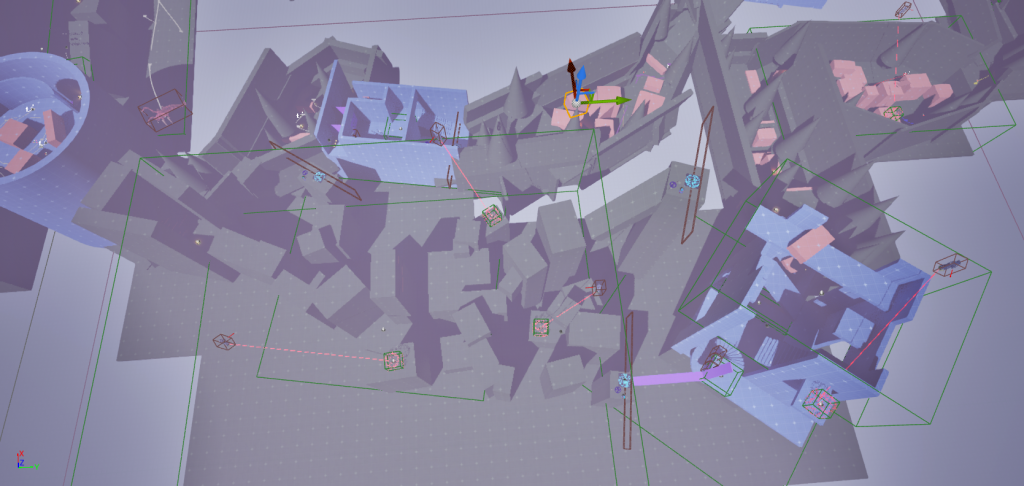
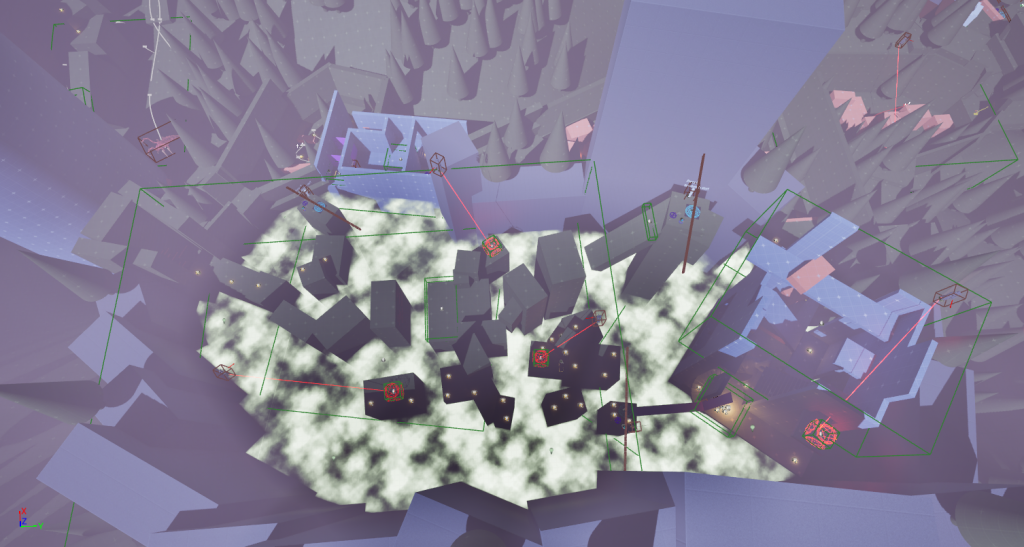
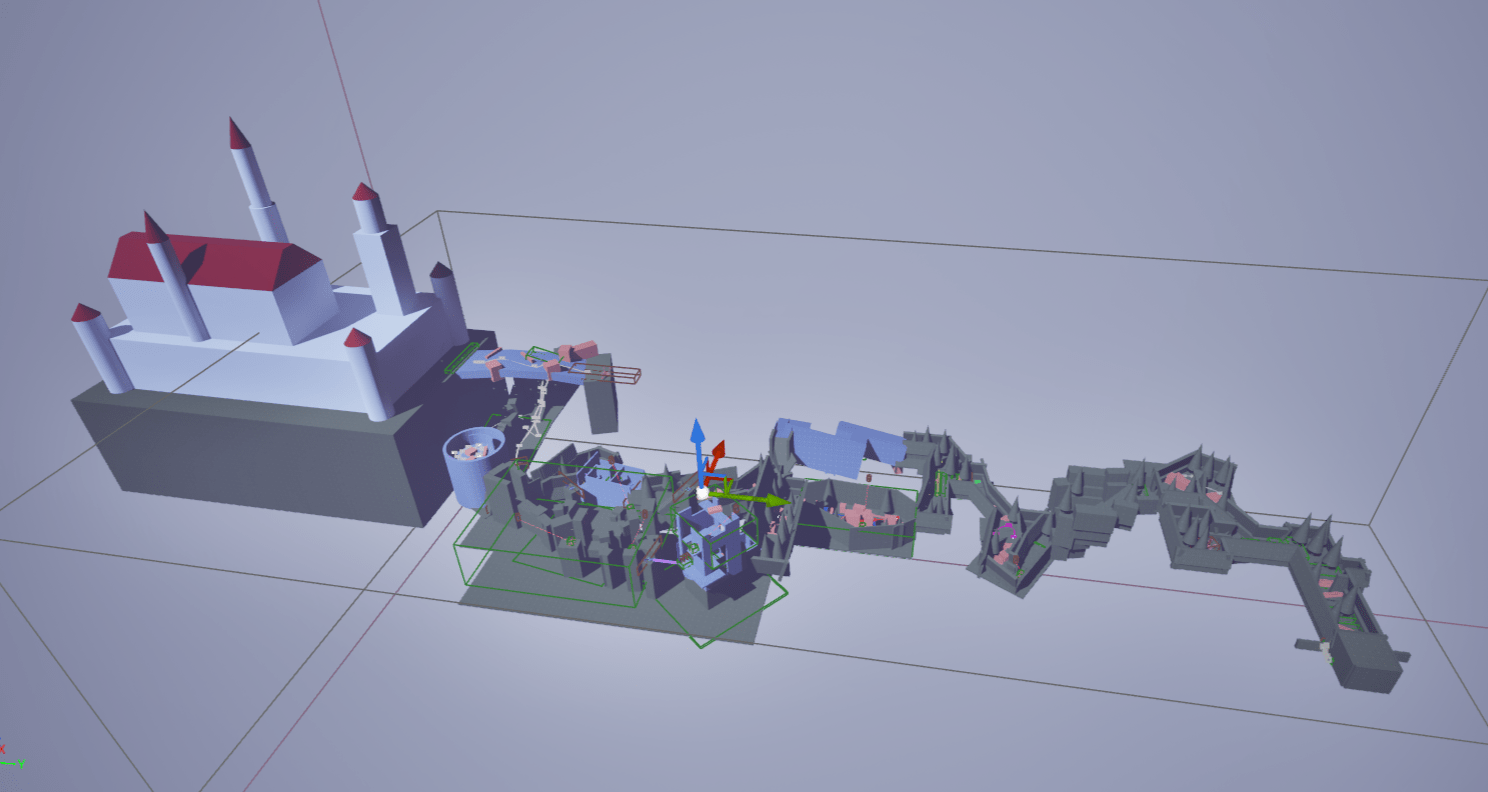
3. First Roughout

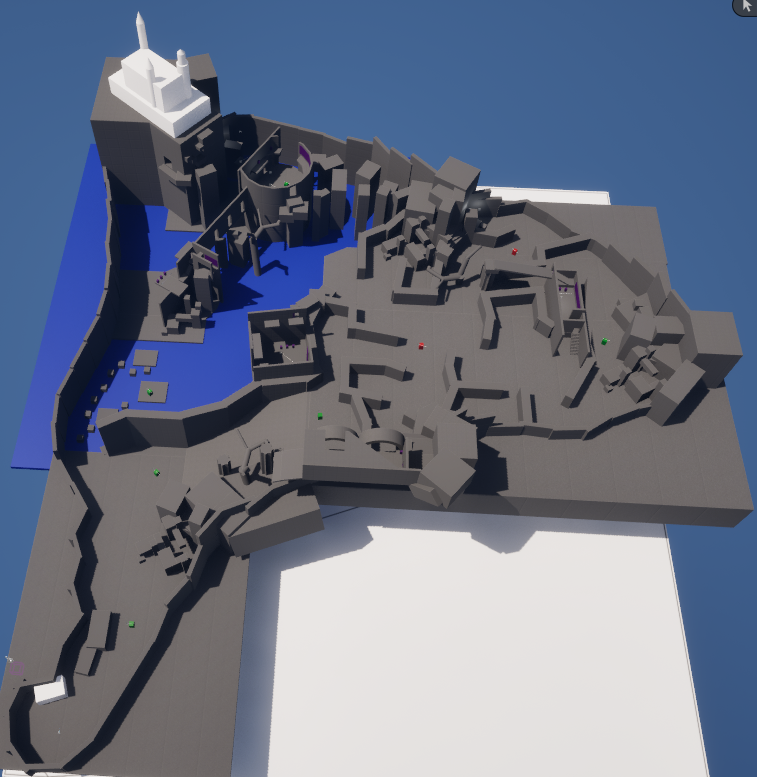
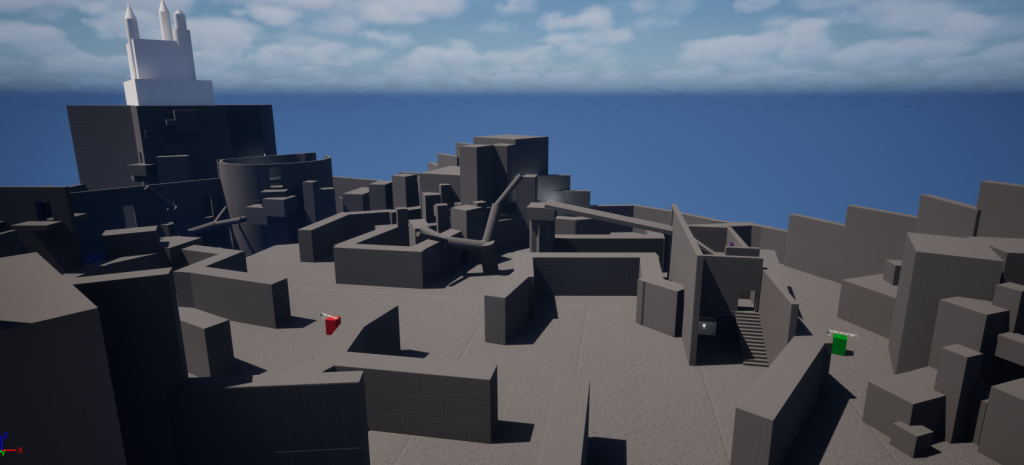
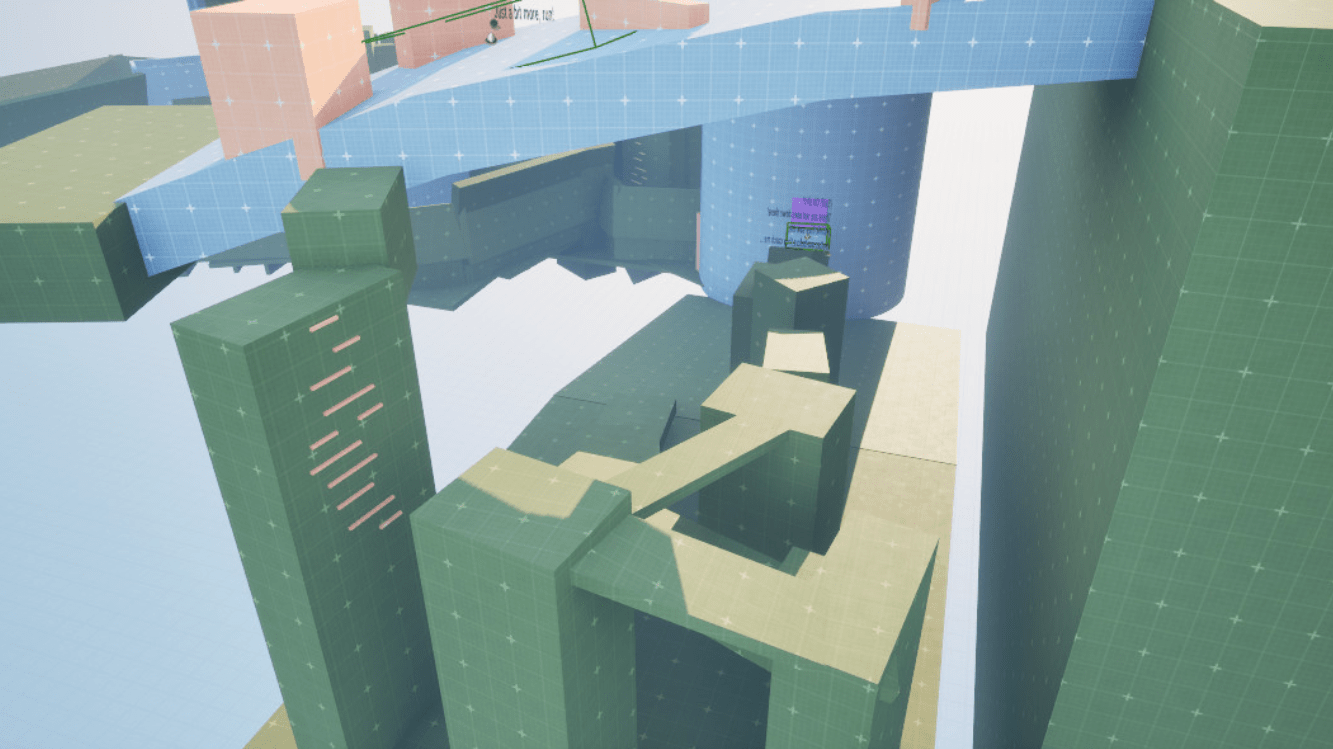
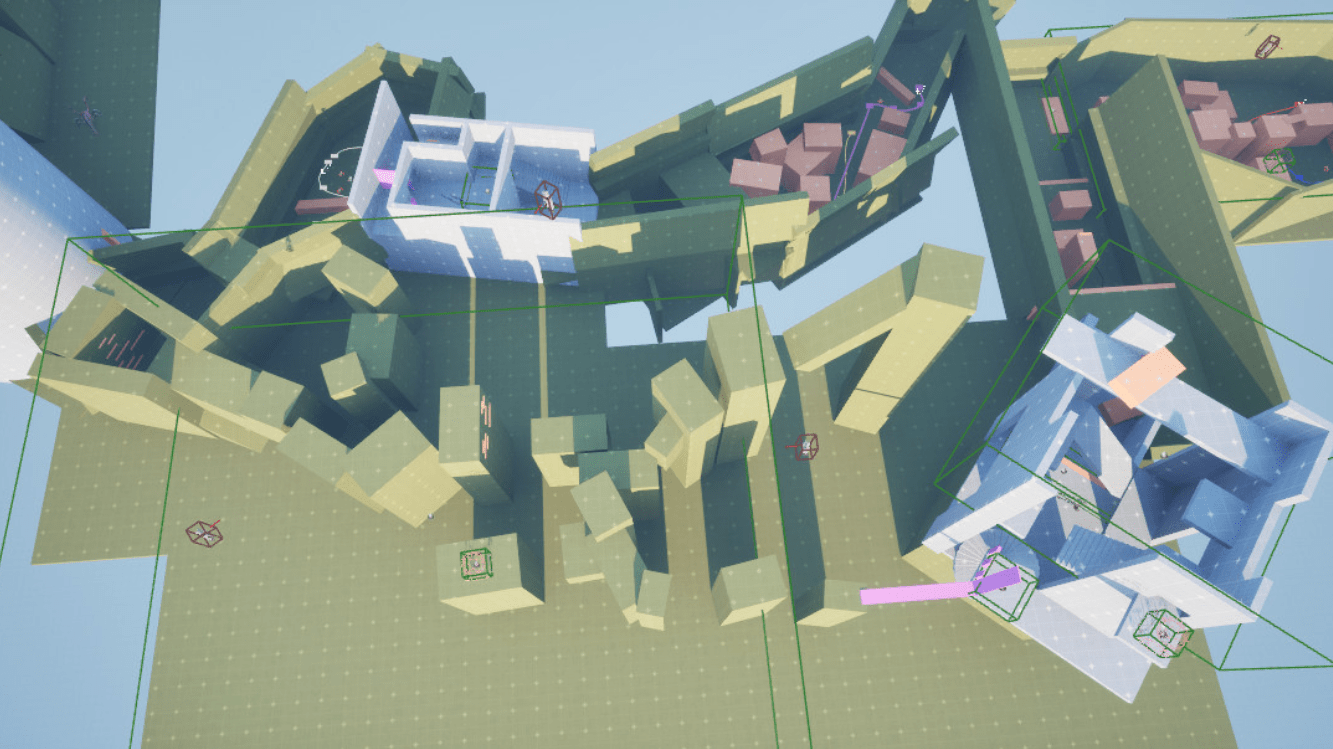
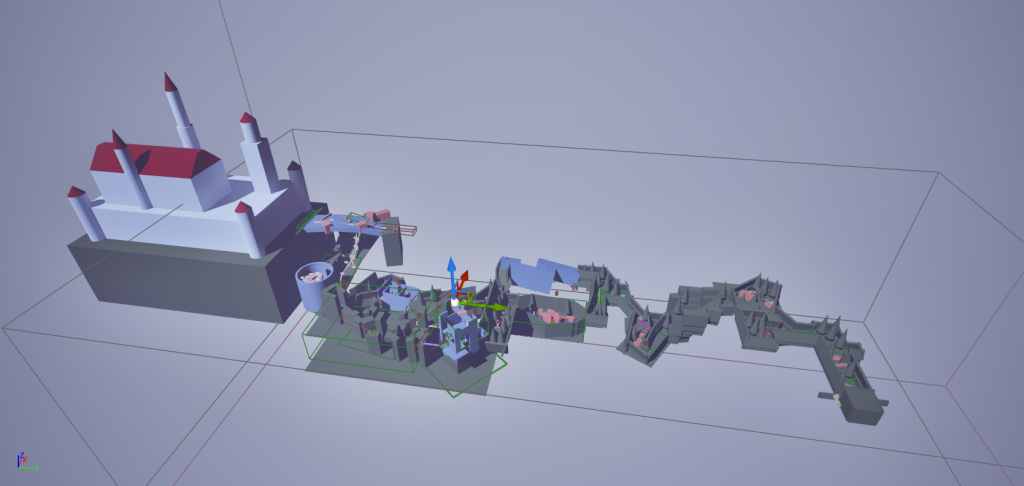
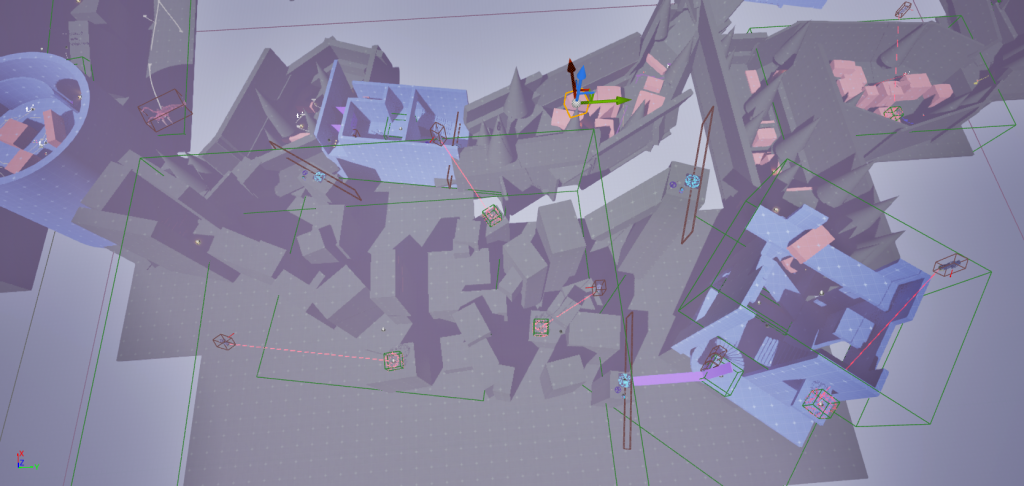
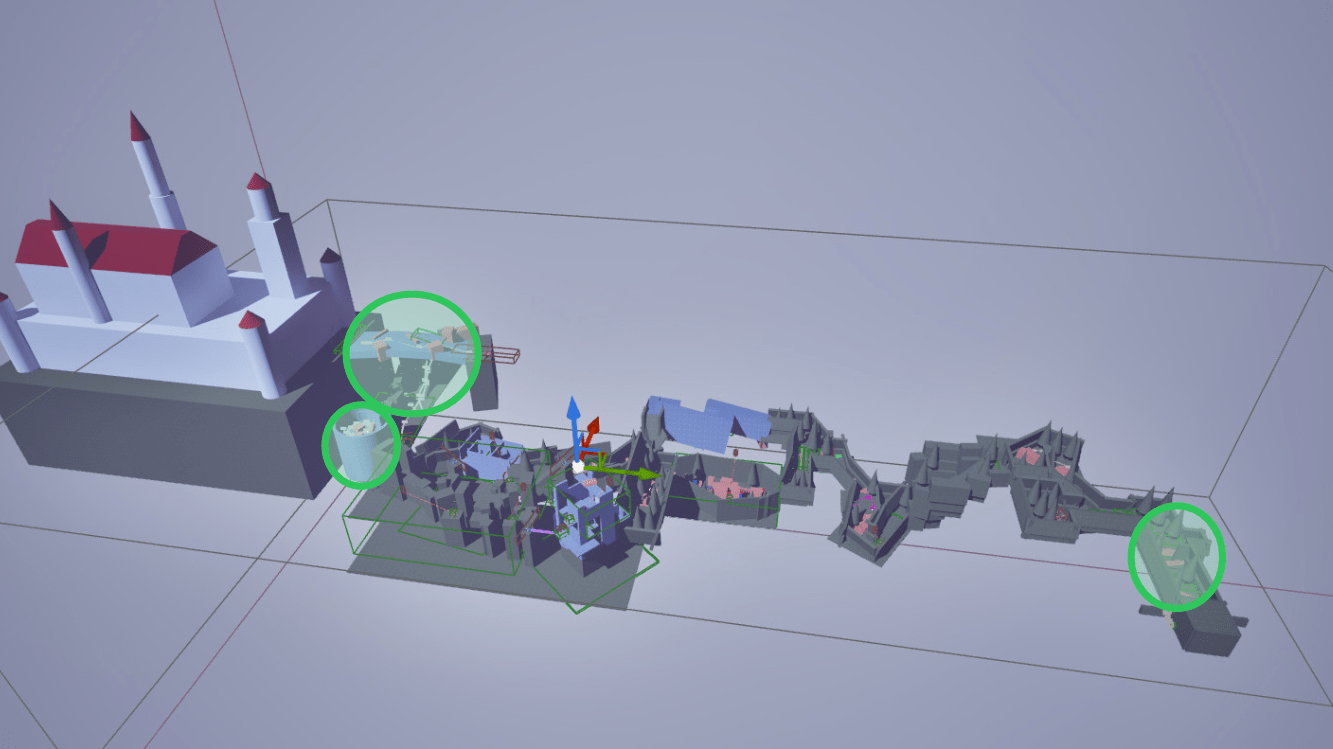
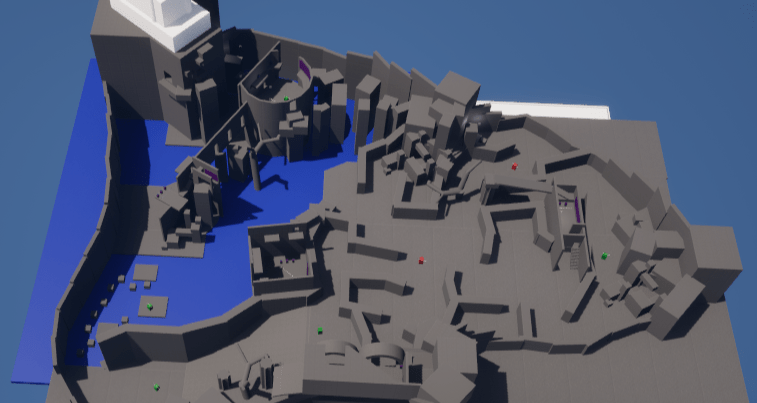
Results: A first 3D roughout of the level, with multiple routes to give the player freedom of exploration. Introduced strong height variation to make traversal more engaging, and designated spaces for planned beats (exploration, puzzles, combat) to start shaping player flow.

Goal: Transform the 2D map and beat sheet into a first 3D iteration to test scale, proportions, and spatial relationships. The aim was to start “feeling” the level in 3D, validating the main routes, and preparing for iteration.

Execution:

  • Used the 2D map as a template and blocked out the main routes.

  • Extruded the layout upwards to create a playable 3D space.

  • Adjusted geometry and proportions on the fly when spaces felt off.

  • Focused on readability, flow, and route clarity during the roughout.

4. Playtest 1

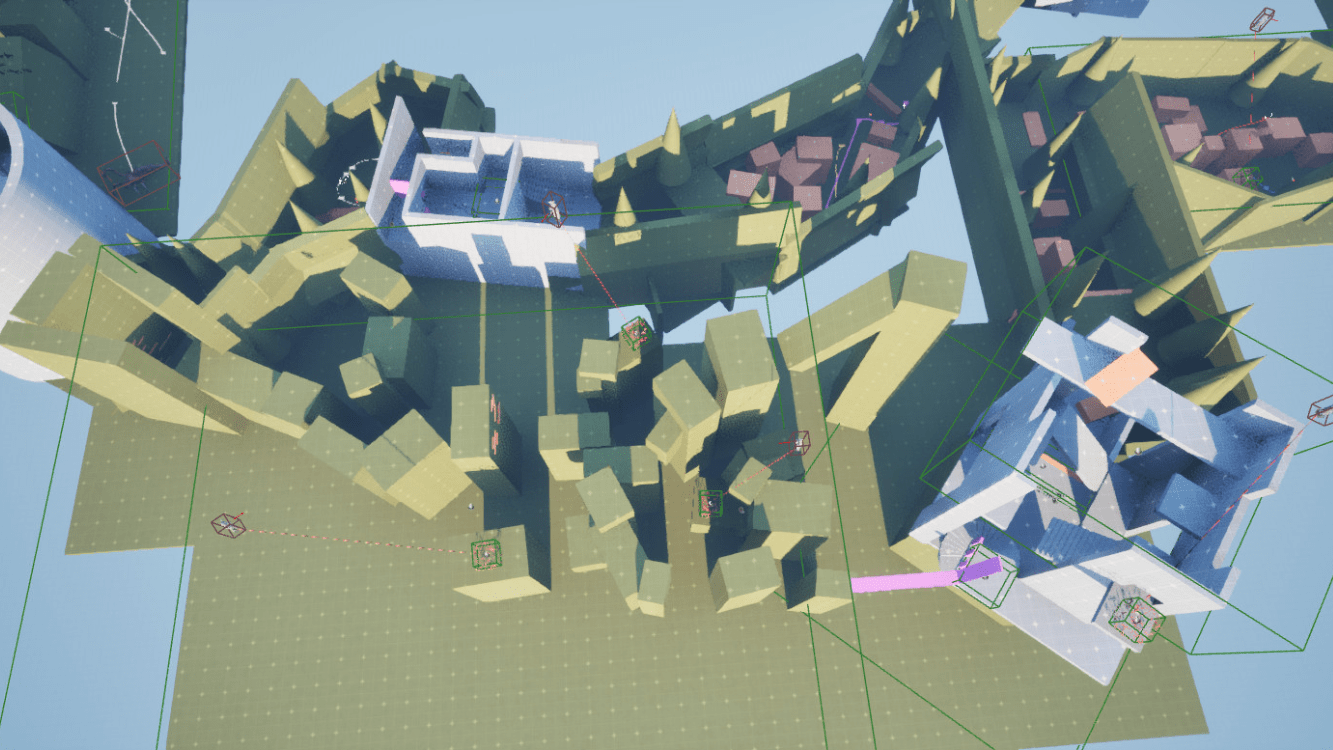
5. PIVOT Roughout & Narrative Elements

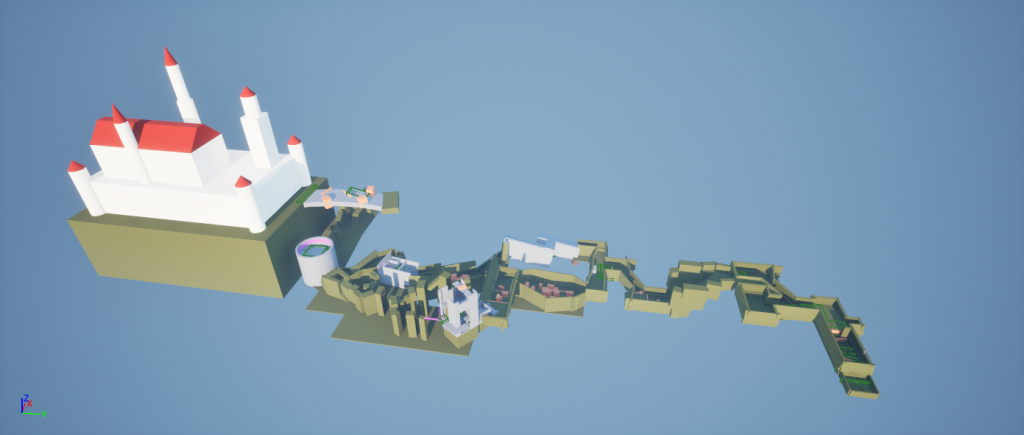
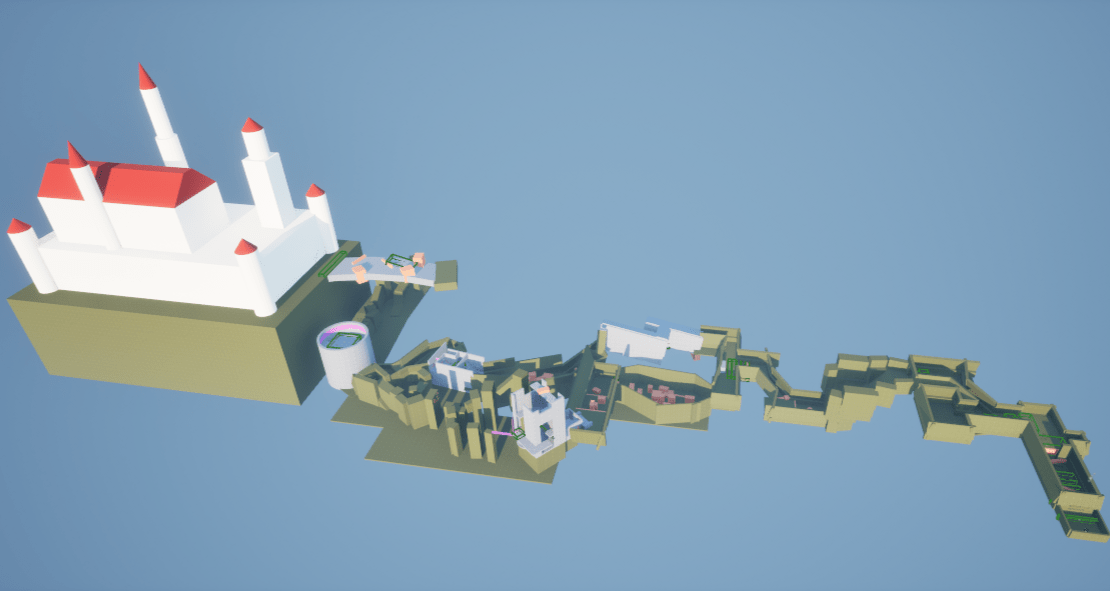
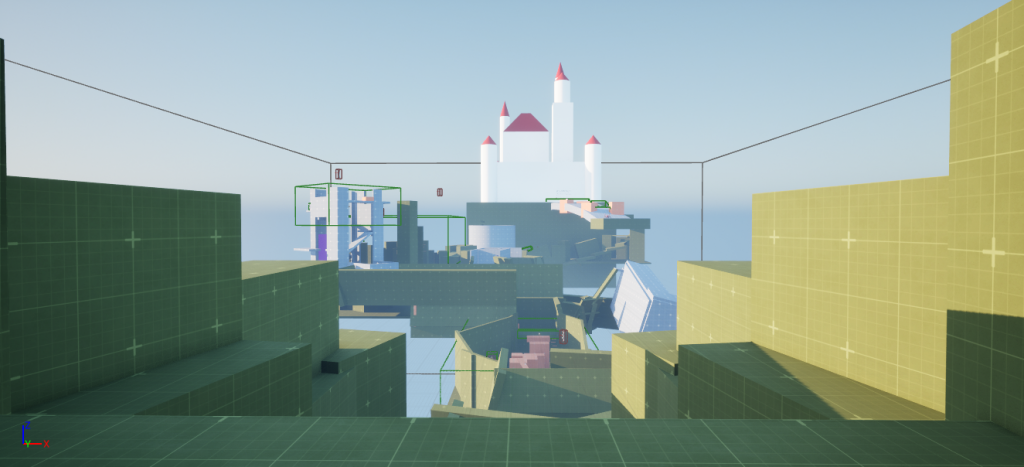
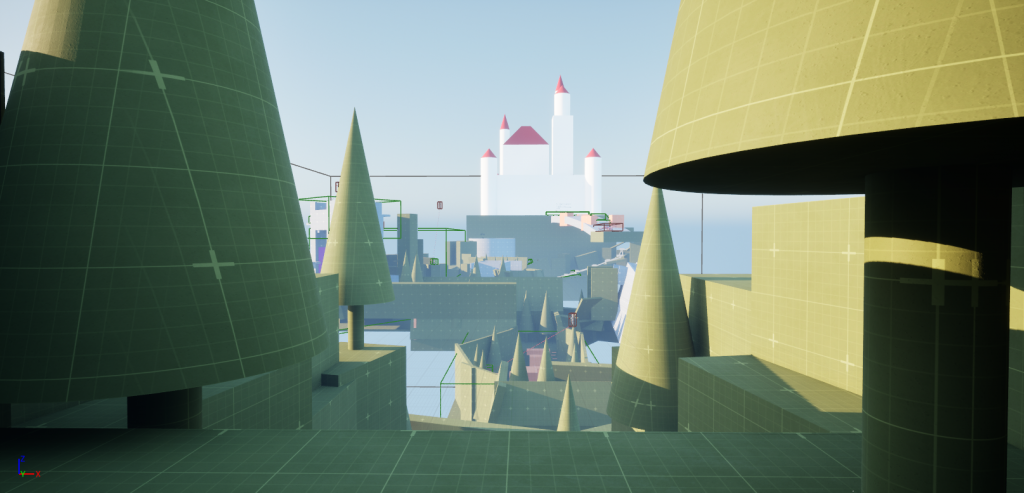
Results: The pivot produced a clearer, more purposeful, and visually compelling level. The castle vista became an unavoidable anchor, the introduction taught mechanics gradually, and story dialogue tied to gameplay created smoother flow and stronger engagement.
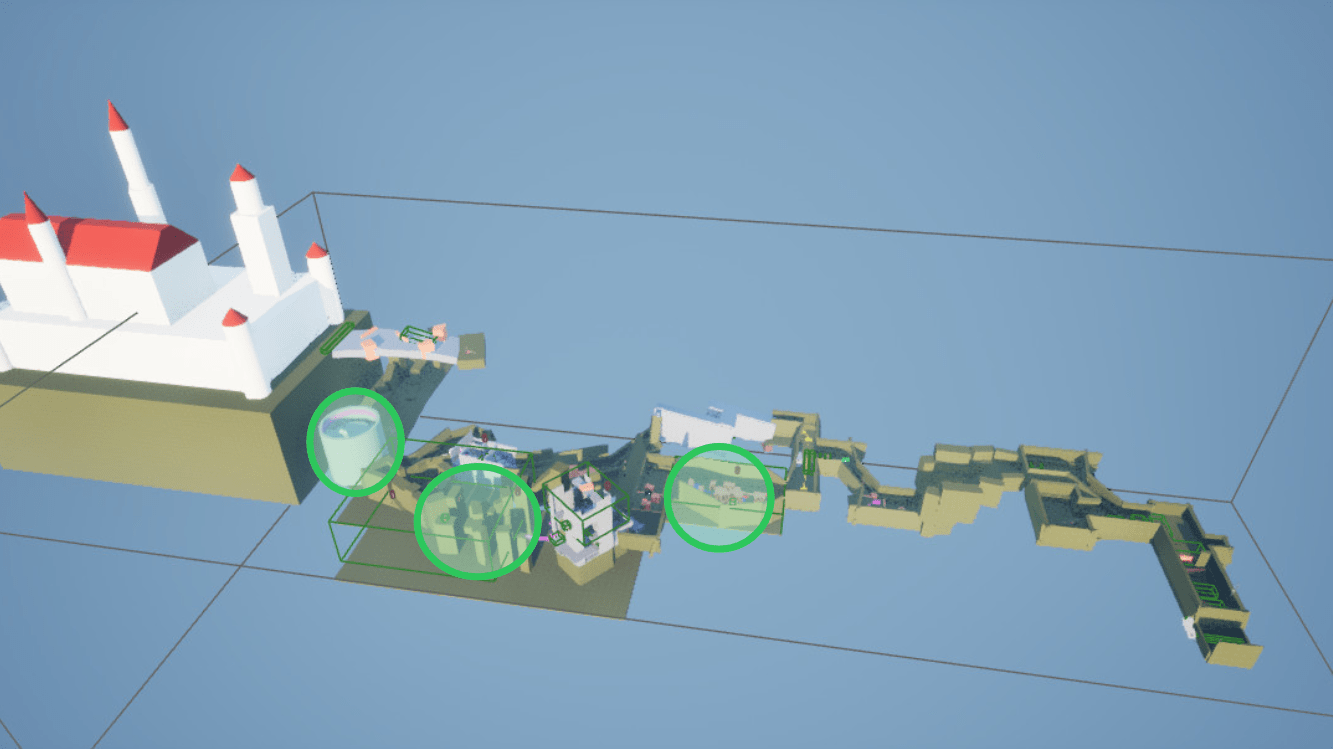
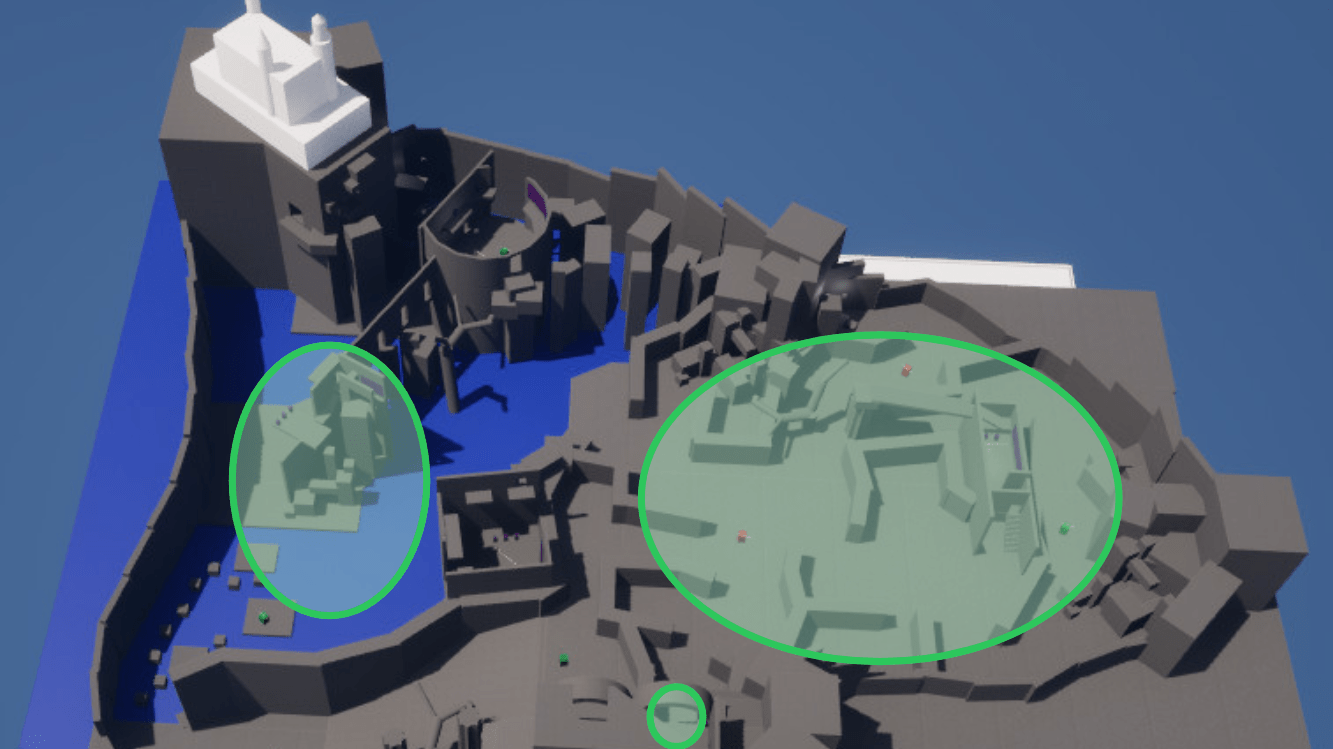
Goal: Rebuild the level to address playtest issues—unclear layout, confusing navigation, and oversized scope—while adding clearer vistas, stronger spatial intention, and the first pass of narrative elements.

Execution:

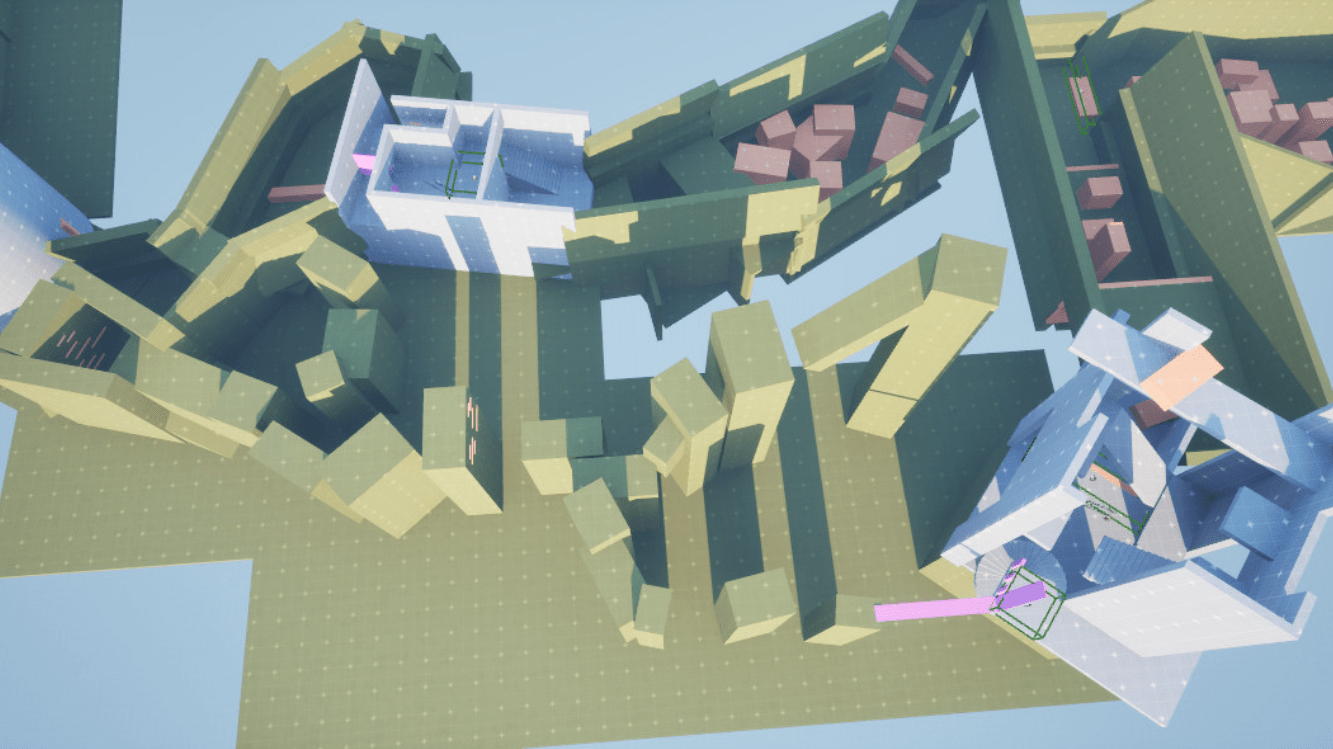
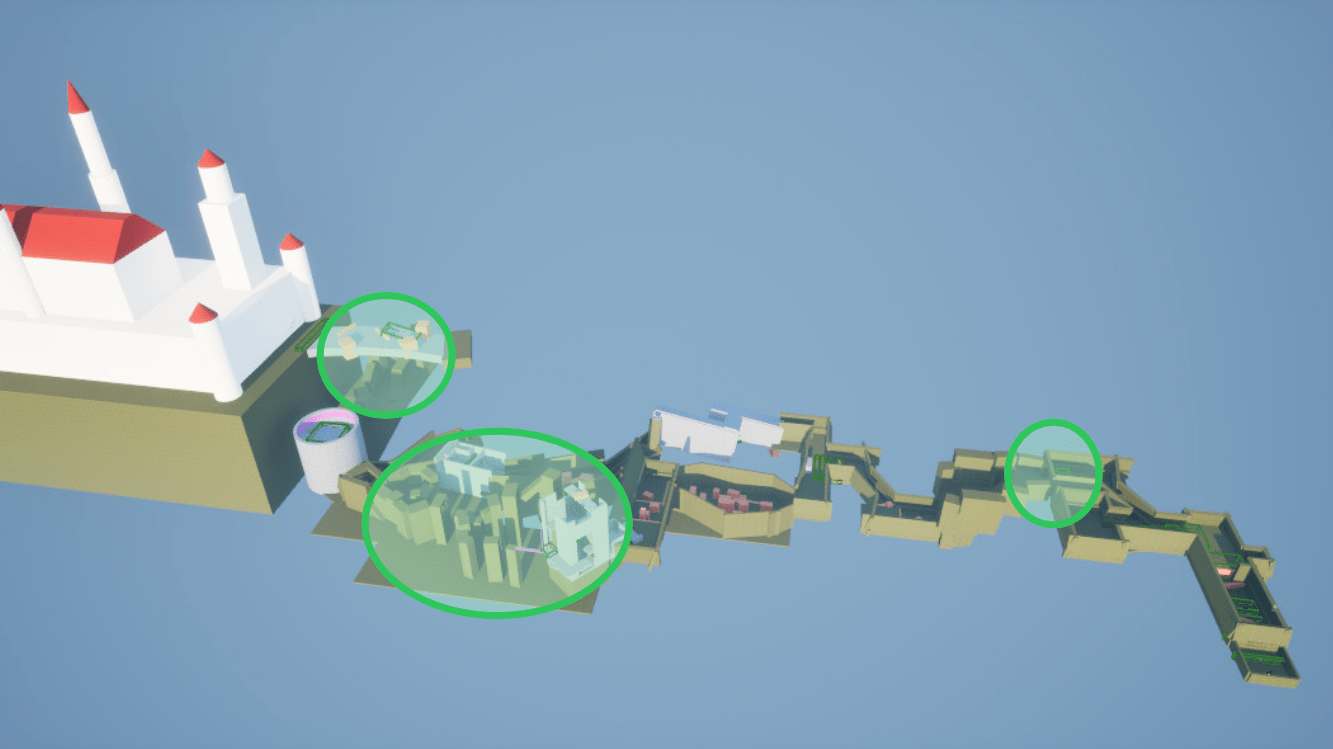
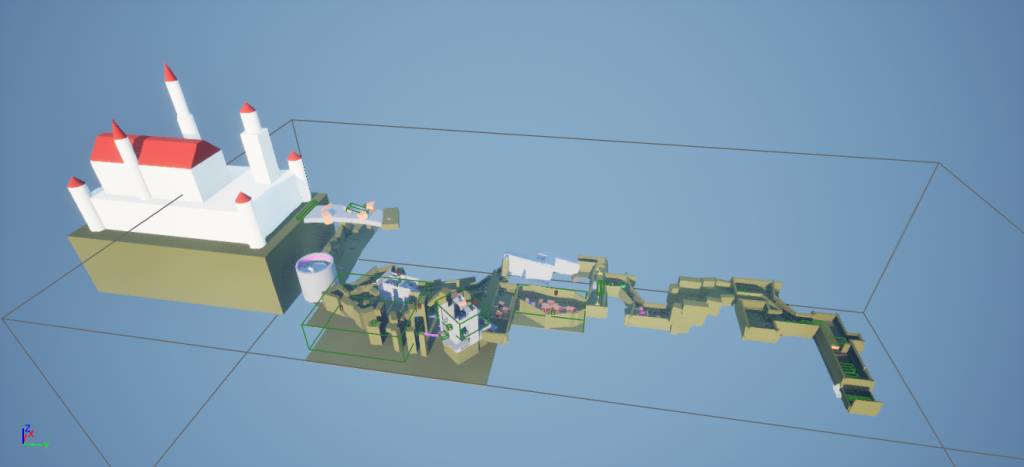
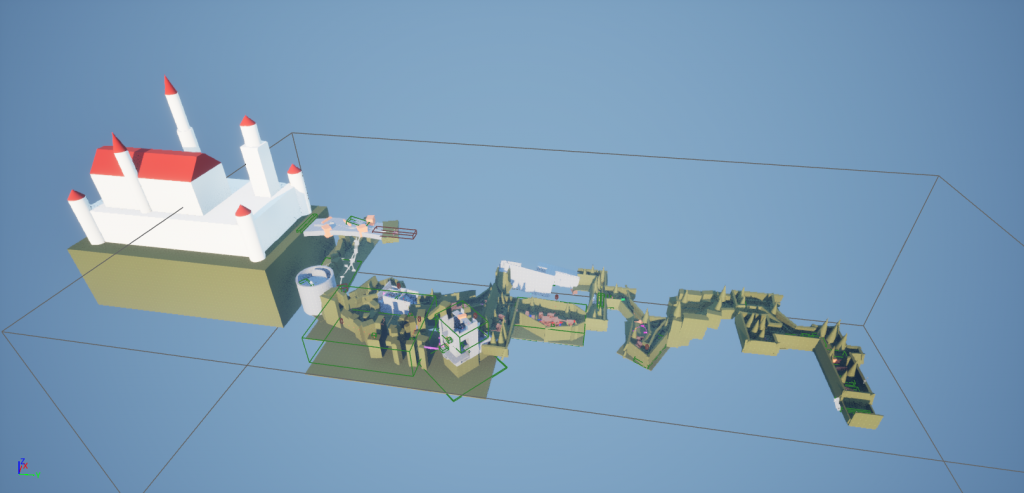
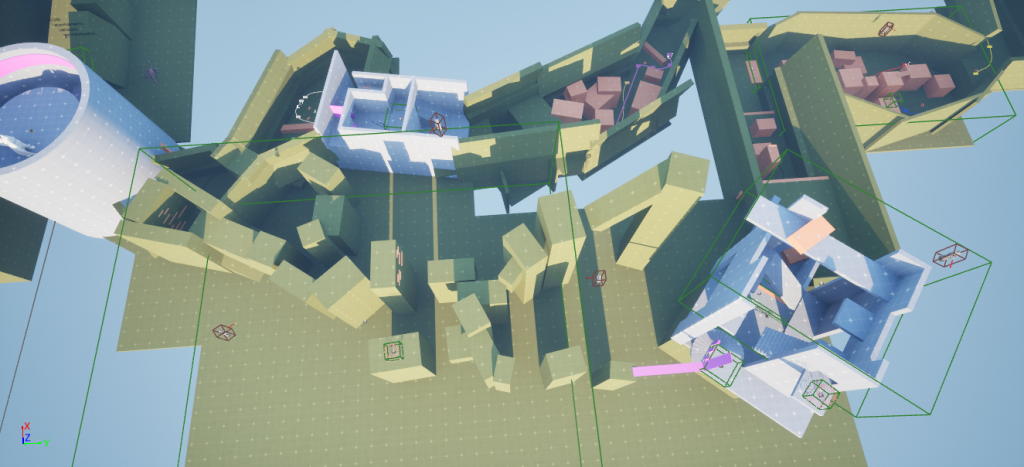
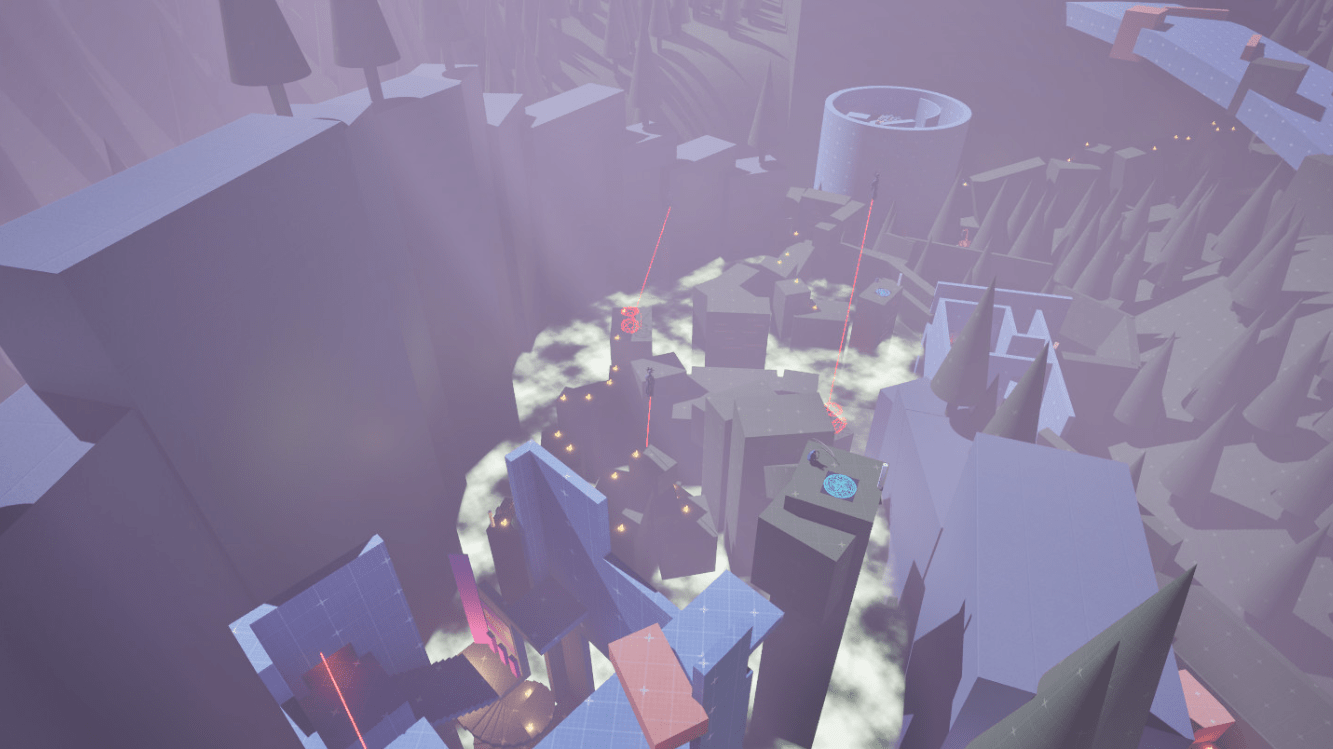
  • Redrew the 2D map into a streamlined layout with two paths diverging at 1/3 and converging at 2/3.

  • Used the 2D as a flexible guide for shaping spaces in 3D.

  • Built areas with clear purpose: unavoidable vistas, readable exploration, and purposeful traversal.
  • Integrated story dialogue into the environment to enhance immersion.
6. Playtest 2

7. Enemy Placement

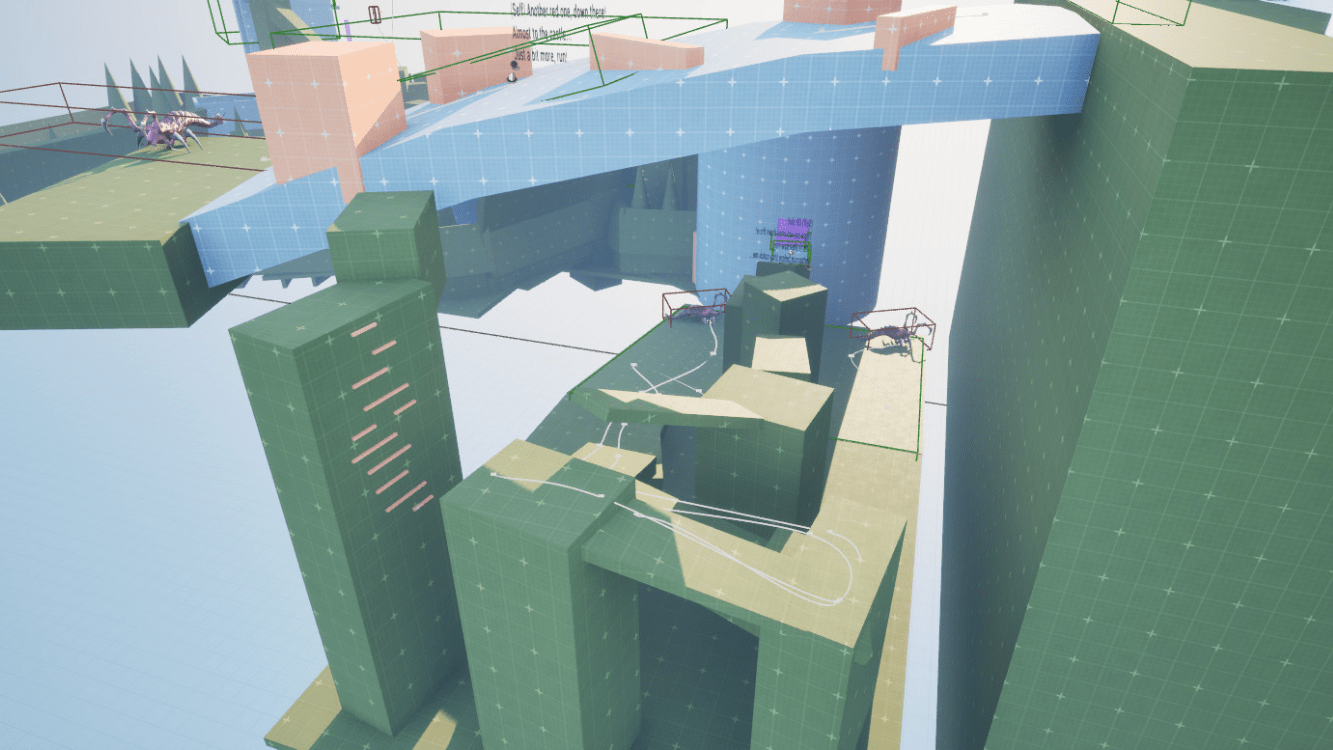
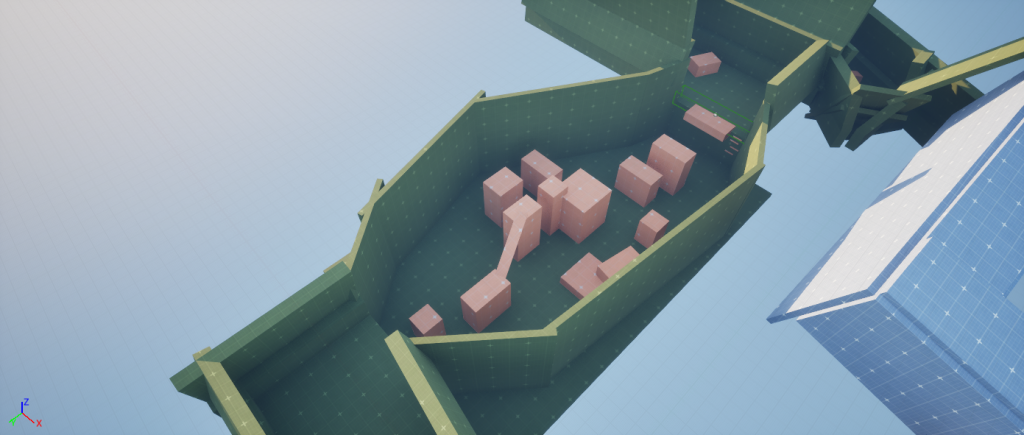
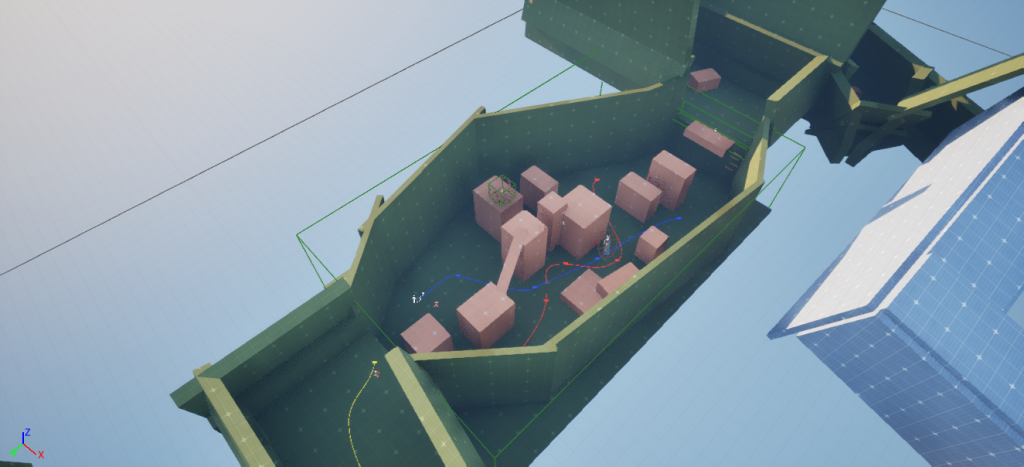
Results: This iteration added the first full enemy pass, making the level more engaging and varied. Encounters were paced with zombies as recurring threats, snipers creating tension spikes, and monstrosities driving narrative and climactic moments. The result was a clearer rhythm of exploration, combat, and escalation.

Goal: Introduce enemies to address the lack of challenge found in playtests, while using their placement to shape flow, highlight key spaces, and reinforce story beats.

Execution:

  • Defined three enemy types: zombies (baseline threat), snipers (ranged pressure), and monstrosities (set-pieces).

  • Distributed enemies to create rhythm and escalation.

  • Widened combat platforms to reduce frustration and focus challenge on enemies.

8. Playtest 3

9. Scripting

Results: This iteration enriched the level with scripting for variety and depth. Puzzles broke up the pace, hovering enemy improvements made encounters more engaging, and the climactic chase delivered a strong finale. Audio barks replaced text for smoother narrative cues, and applying earlier feedback (cover, tutorials, fall mechanics, natural elements) made encounters fairer and the forest more convincing.

Goal: Refine the level while using scripting to improve gameplay, pacing, and narrative delivery.

Execution:

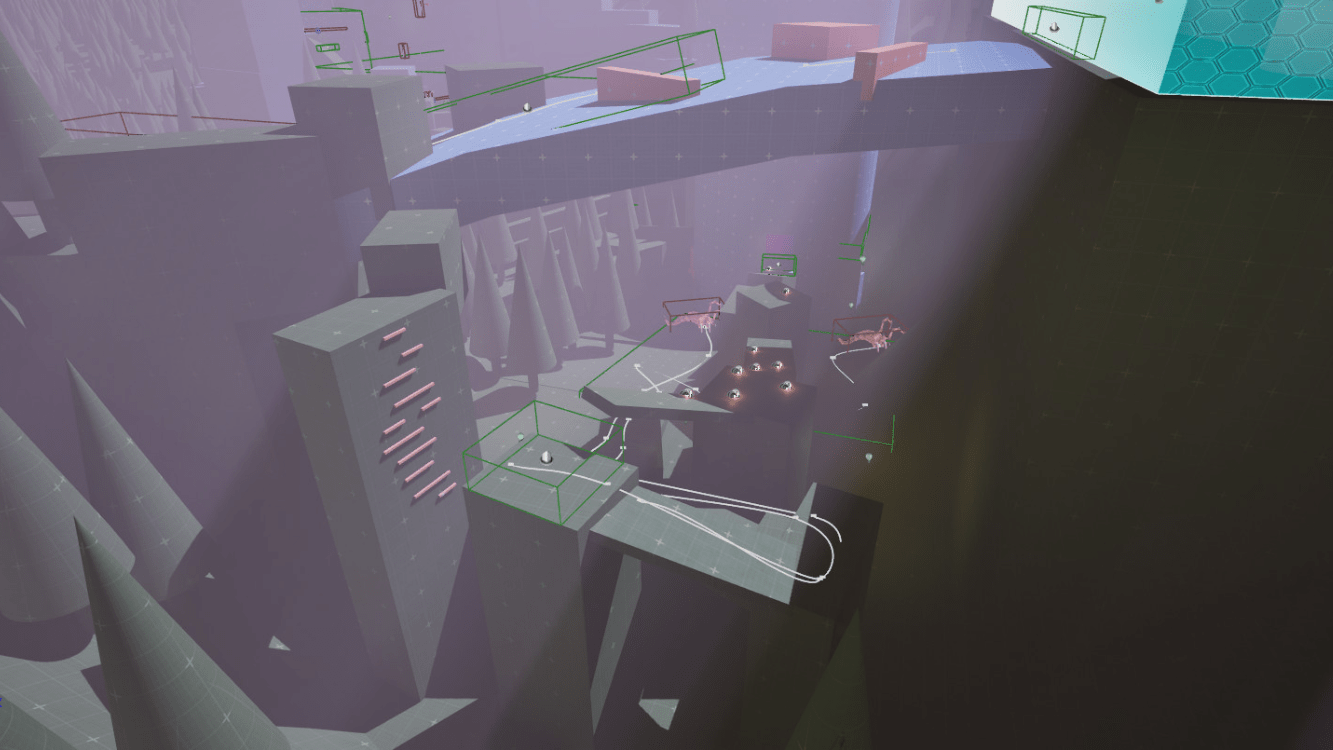
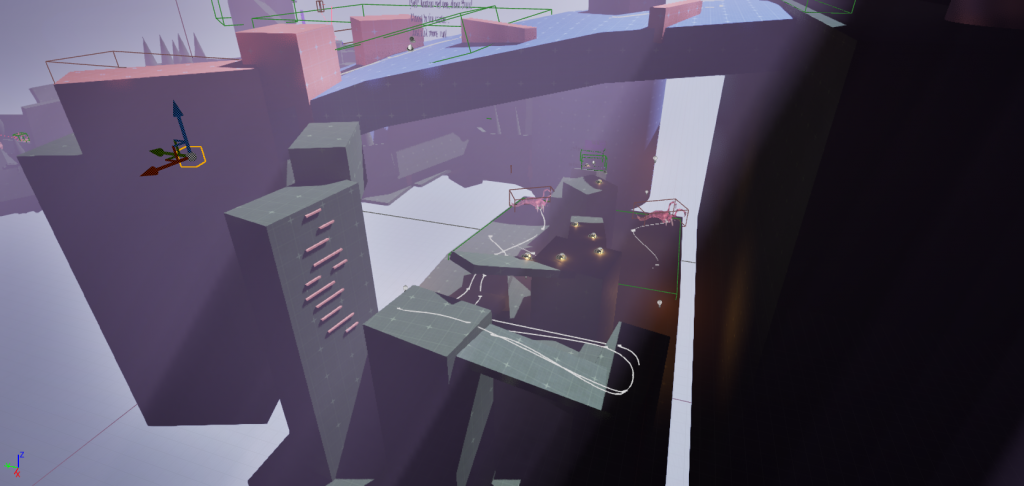
  • Added puzzles to vary rhythm and break up combat.

  • Improved hovering enemy mechanics with a clear tutorial.

  • Scripted a climactic chase at the end.

  • Replaced text with audio barks for natural guidance.

  • Applied environmental tweaks (cover, turns, trees) for fairness and immersion.

10. Playtest 4

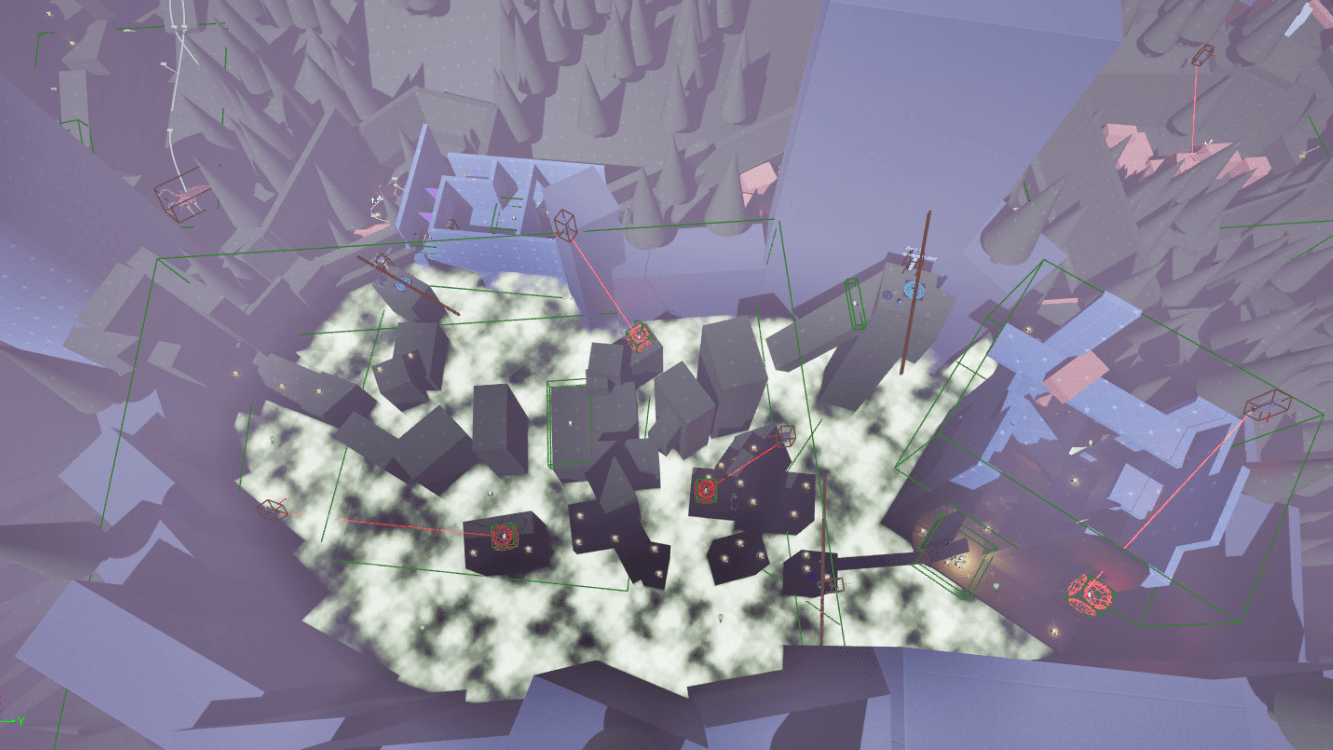
11. Lighting

Results: The new lighting gave the level a stronger night atmosphere, reinforcing the mood of tension and isolation without losing gameplay clarity. Bioluminescent mushrooms added ambience and practical guidance, subtly leading players through darker areas while maintaining immersion.

Goal: Establish a night setting that supports the tone of unease and vulnerability, while still ensuring clear navigation and spatial understanding.

Execution:

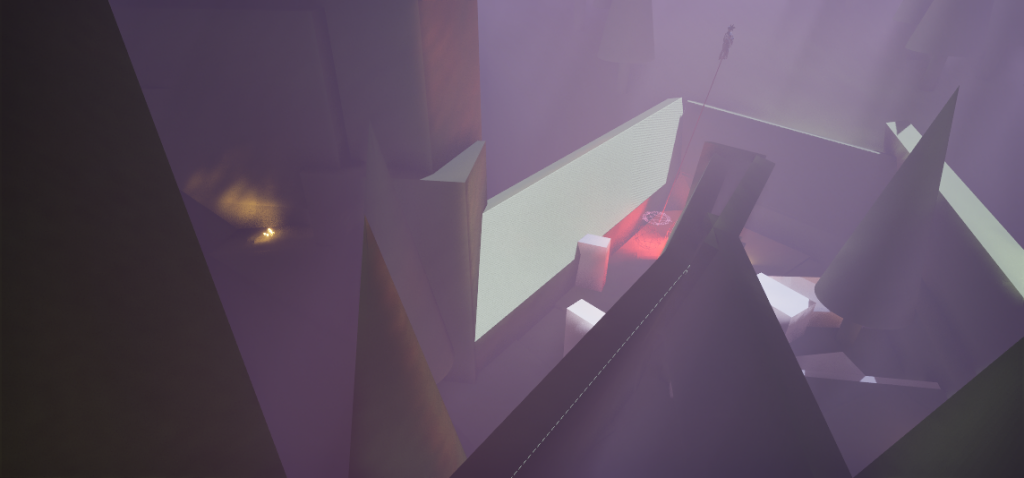
  • Added a night sky and adjusted lighting parameters to create a convincing environment.

  • Placed bioluminescent mushrooms to brighten areas where ambient light wasn’t enough.

  • Used mushrooms as subtle guides, helping players find their way without breaking immersion.

12. Playtest 5

13. Worldbuilding & Polish

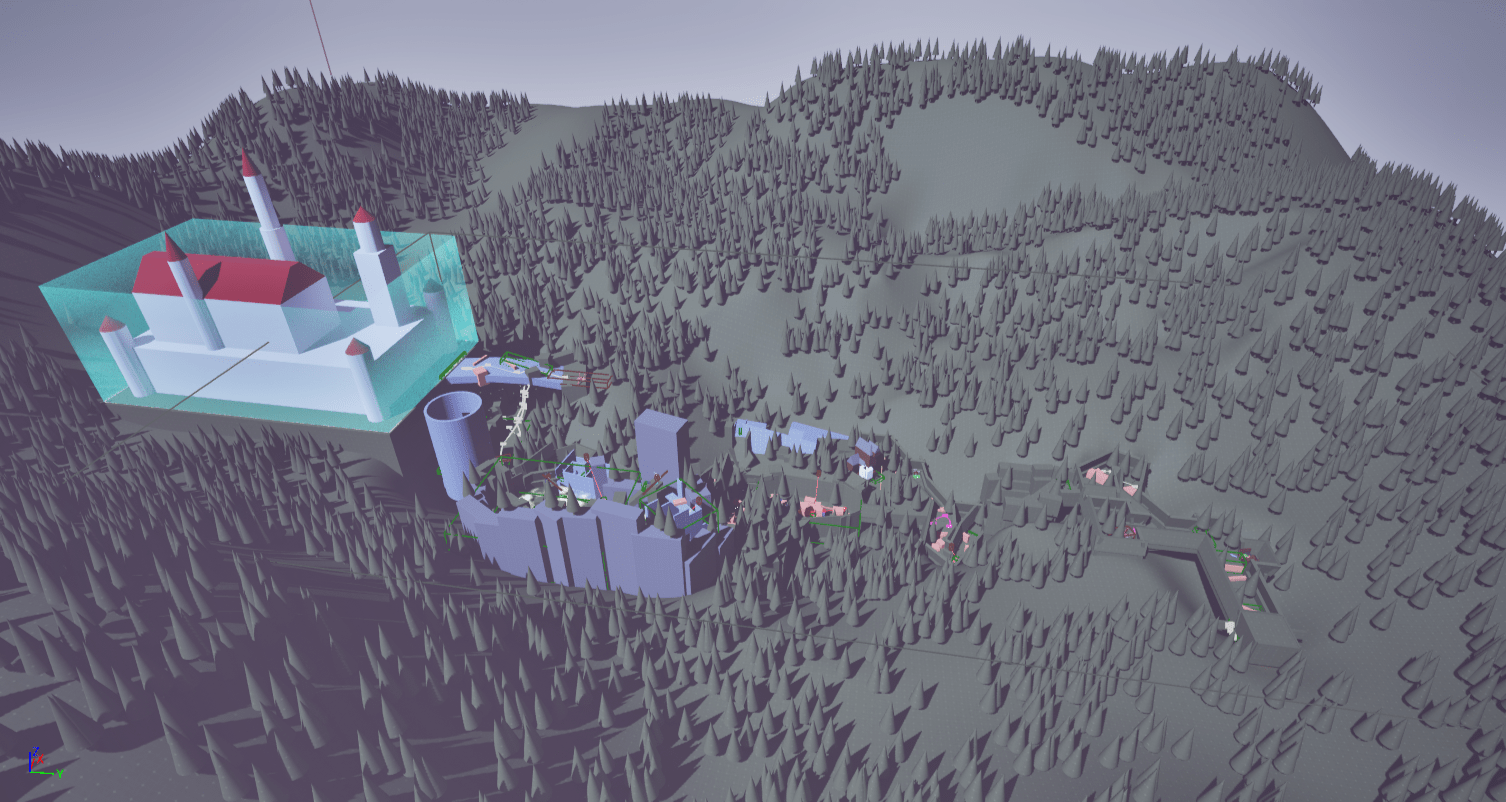
Results: The level gained a stronger atmosphere, balancing tension and isolation with moments of discovery. Added worldbuilding details and environmental storytelling made spaces feel more lived-in and sustained immersion across progression and intensity beats.

Goal: Polish the level by adding environmental storytelling, expanding worldbuilding, and enriching immersion with small narrative details that give players more reasons to explore.

Execution:

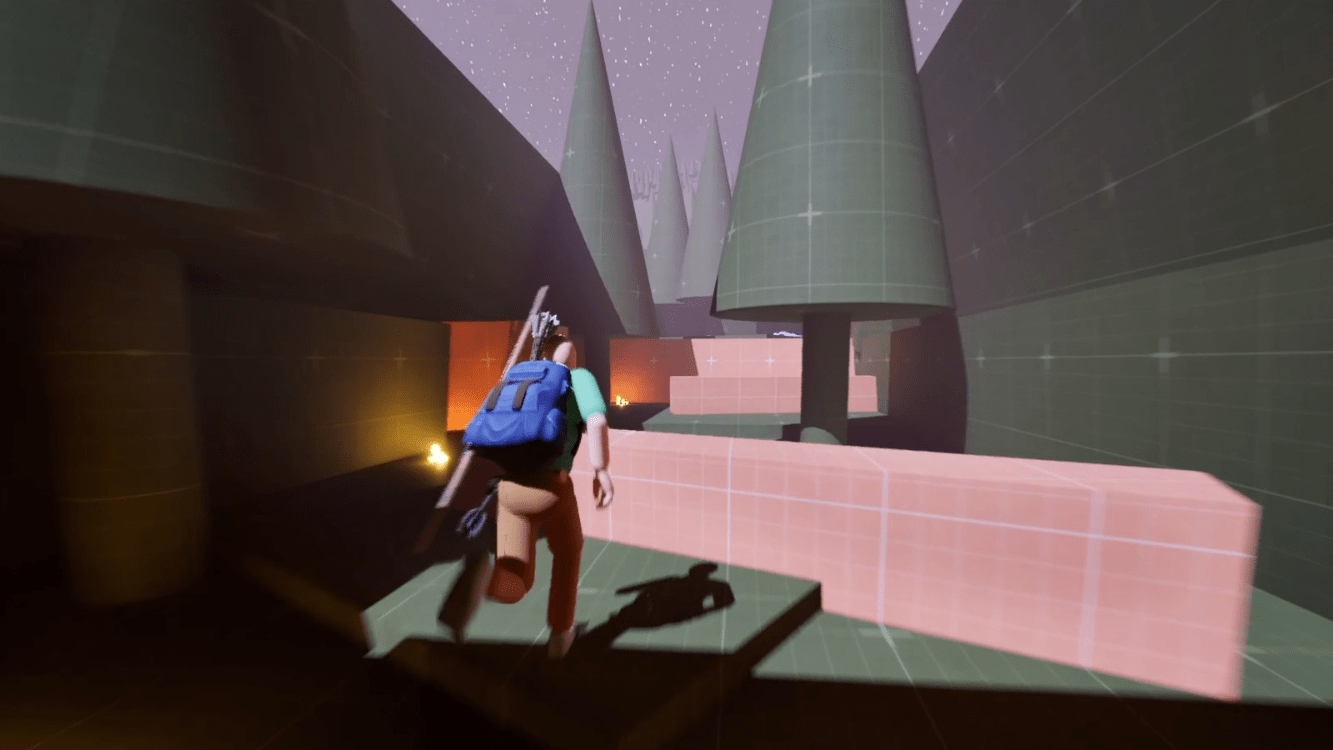
  • Introduced terrain and tree foliage to frame the level more naturally and soften boundaries.

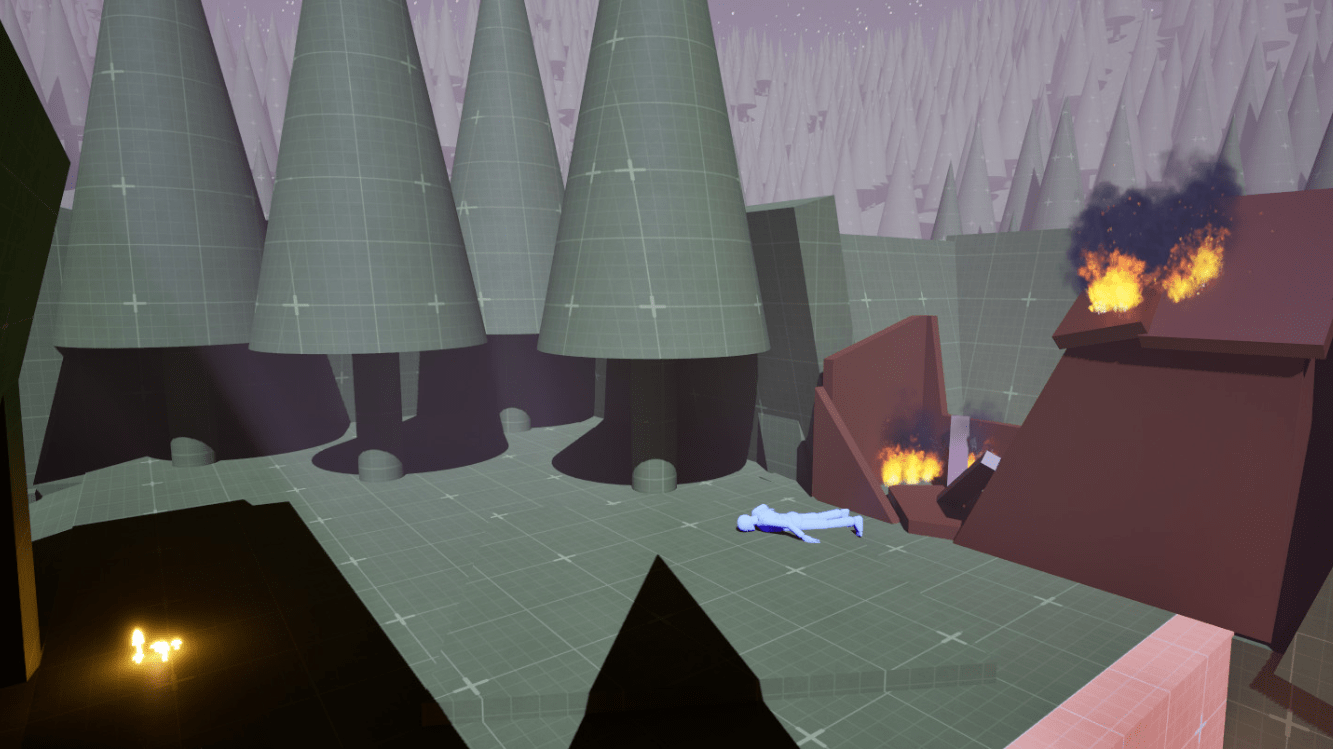
  • Designed storytelling areas to reinforce themes: burnt structures, NPC locations, ruins decay, and contextual props.