
Outbrake - Day 0
GENRE: 3D Action Adventure / FPS
TYPE: Narrative level design case study
ENGINE: Far Cry 5 Editor
FOCUS: Analysis and recreation of The Last of Us’ opening sequence
DURATION: 2 weeks
Roles: Level Designer
Overview
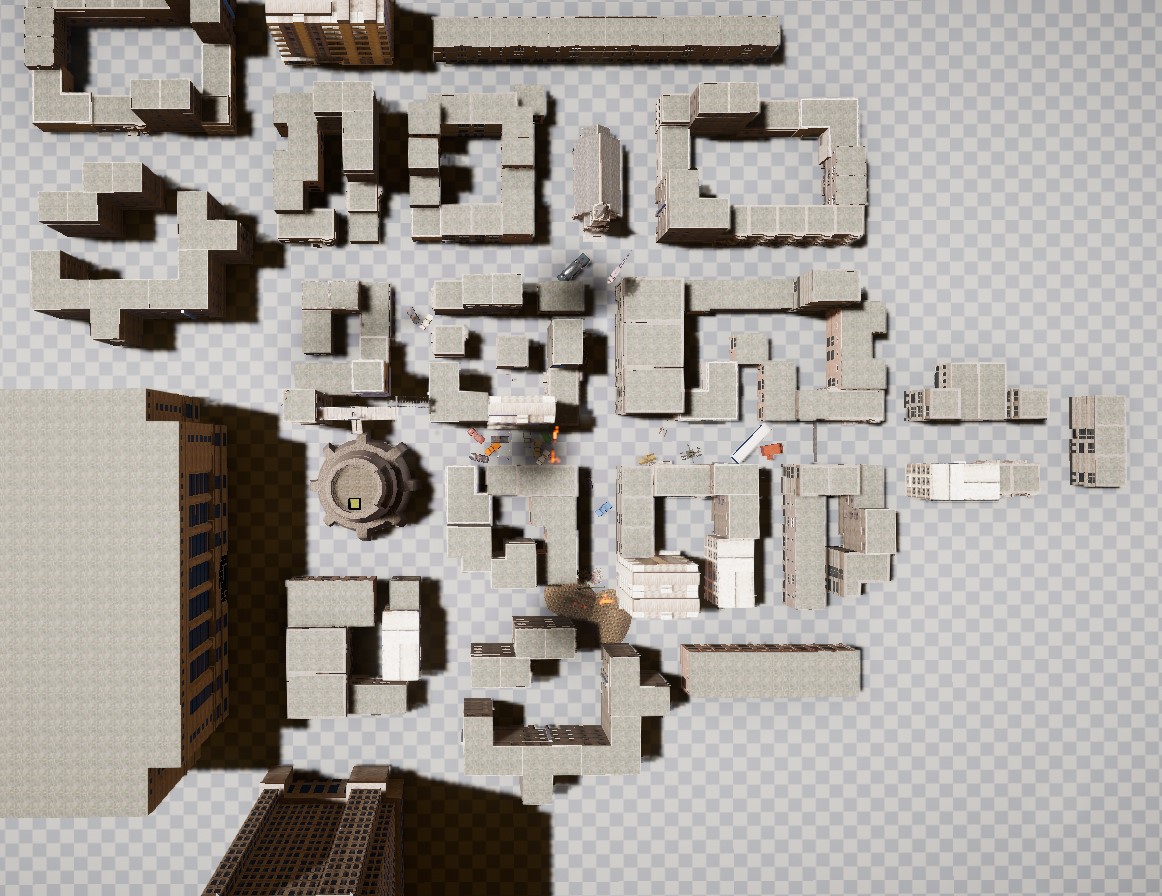
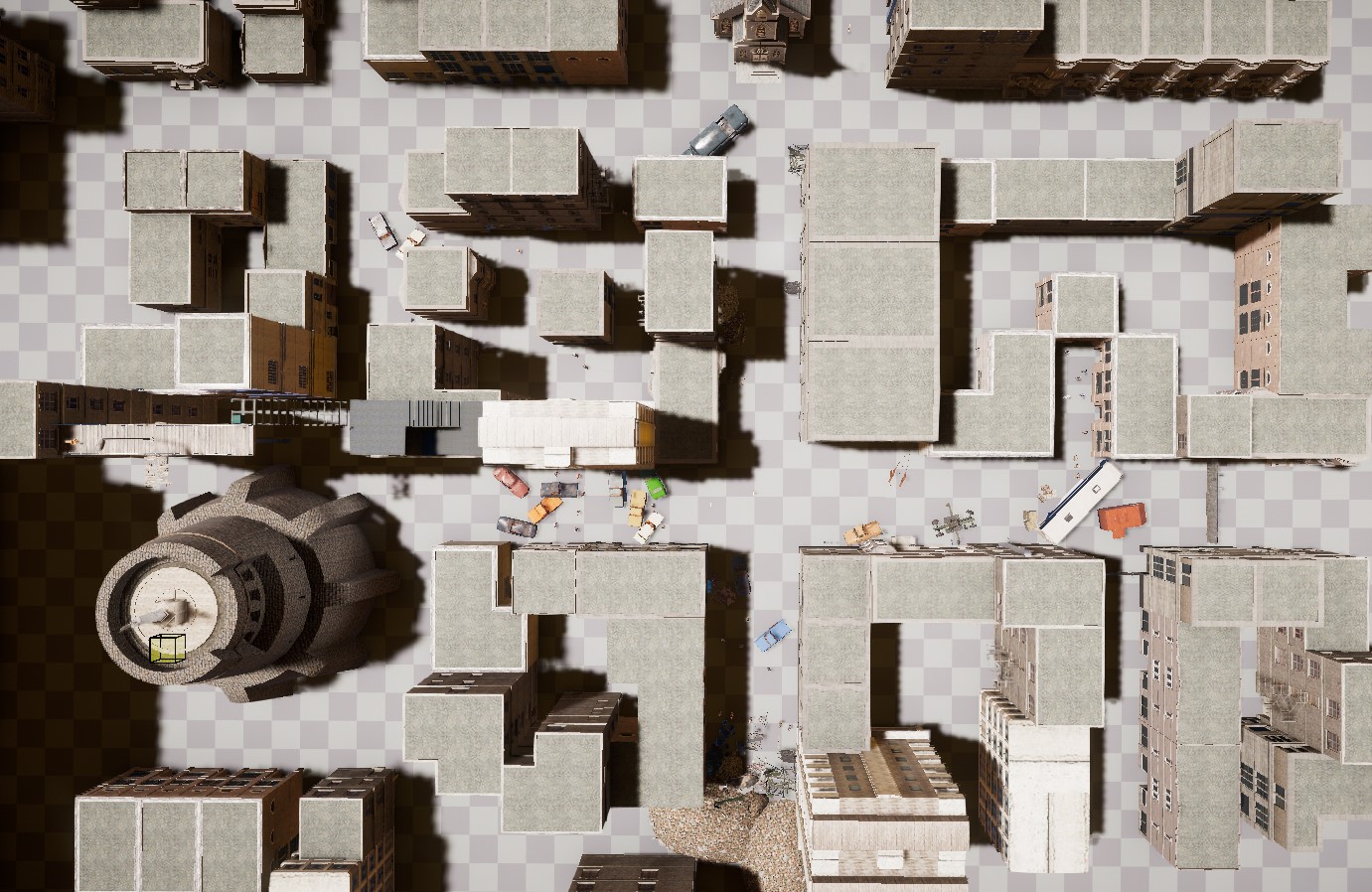
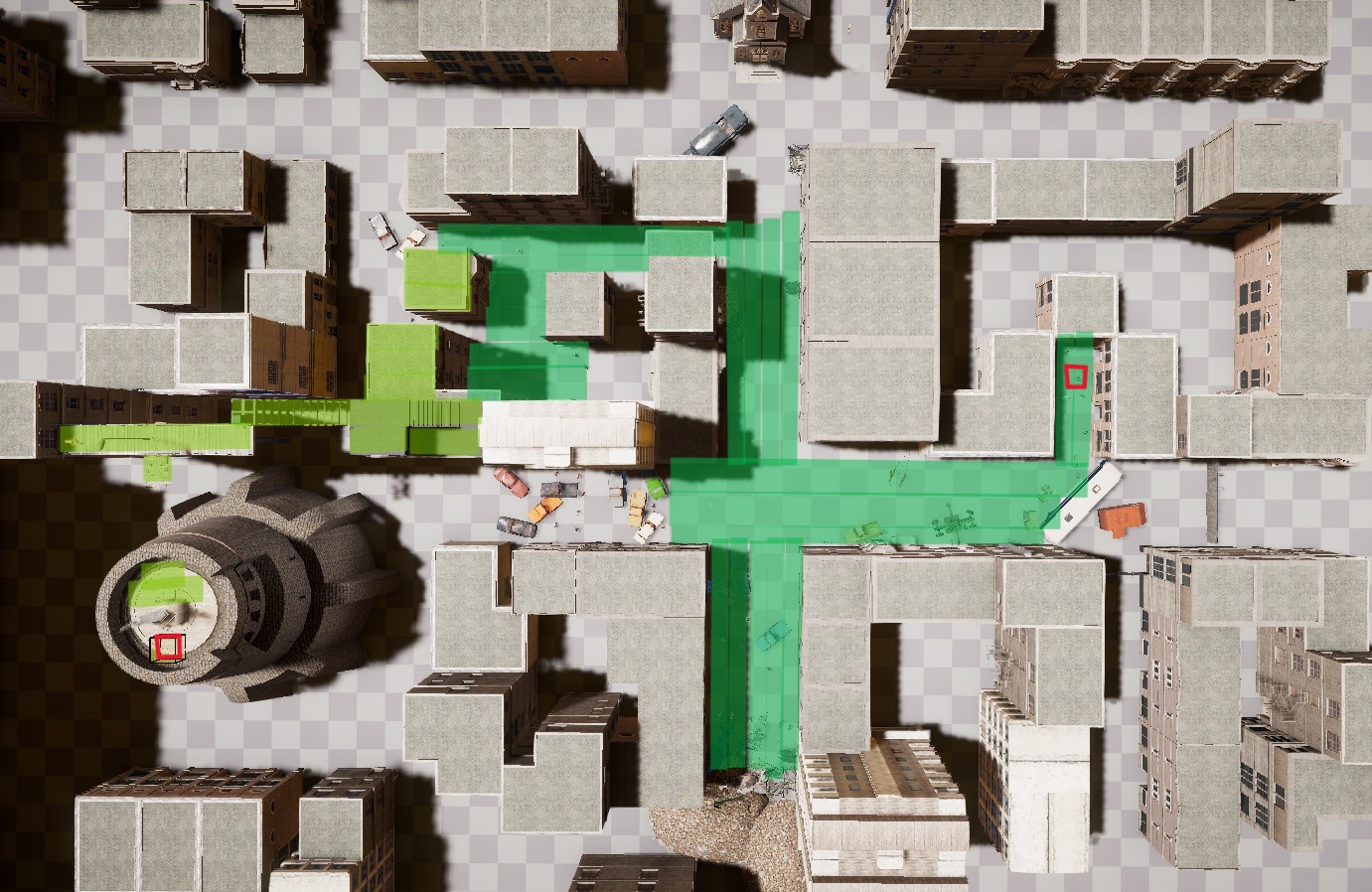
Goal
Vision: A cinematic level study inspired by The Last of Us’ opening, focused on translating its emotional pacing and narrative tension into interactive space.
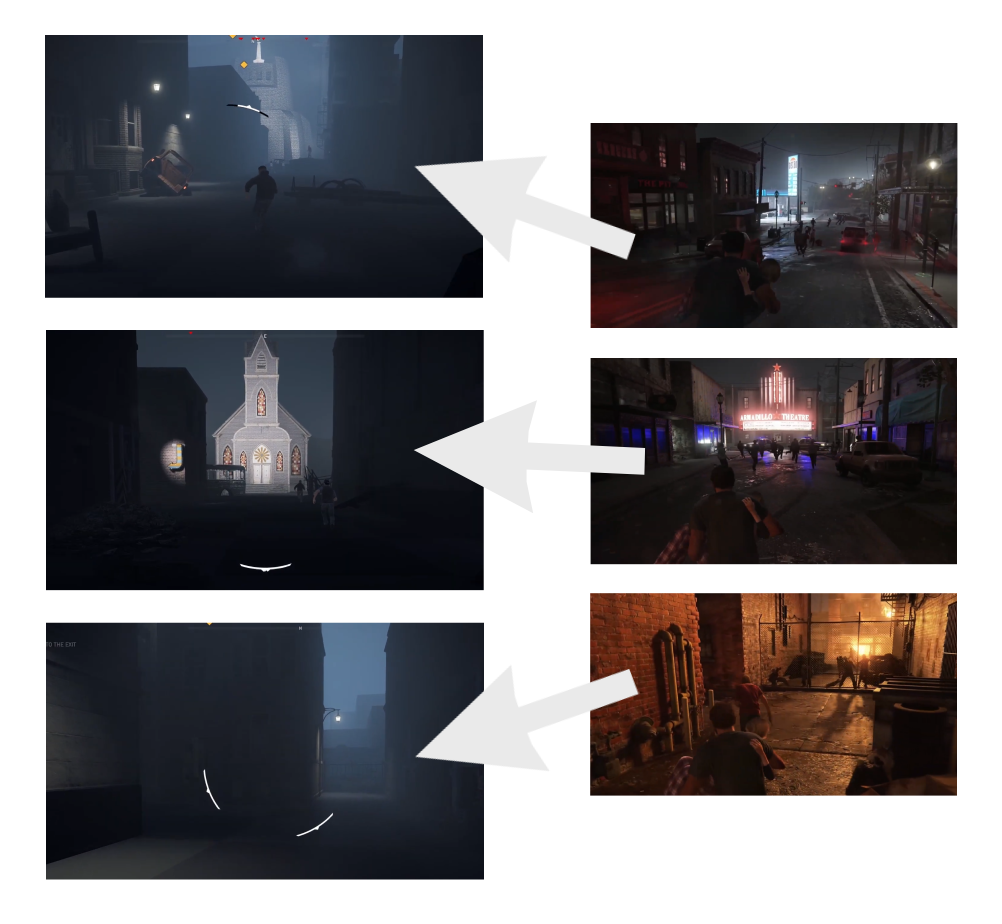
Core Inspiration: The opening sequence of The Last of Us stood out to me not only for its emotional impact, but for its masterful player guidance. The scene leads the player through chaos without arrows, markers, or explicit directions; just light, movement, and unfolding events.
I wanted to recreate that same sense of controlled disorientation, where lights, explosions, fleeing civilians, and blocked paths subtly steer the player forward while maintaining the illusion of freedom.
Design Goal: Rebuild that cinematic rhythm through spatial composition, dynamic lighting, and event-driven flow, using natural guidance and environmental storytelling to shape the player’s path and emotions.
What I Focused On:
Guiding players through chaos using light, framing, and reactive events.
Maintaining high tension and urgency from start to finish.
Turning cinematic tension into playable design without HUD or hand-holding.
Level Overview & Technique Highlights
Setting & Synopsis: The level takes place in a modern American city plunged into chaos during the first hours of a zombie outbreak. Sirens echo, fires spread, and panic floods the streets as civilians and infected clash in the distance.
The player takes control of a survivor trying to reach a military extraction point located at the top of a city monument, its beacon light cutting through the smoke as a signal of safety.
Guided only by light, sound, and destruction, the player must navigate blocked streets, collapsing structures, and relentless infected, finding a path upward through the chaos.
Framing
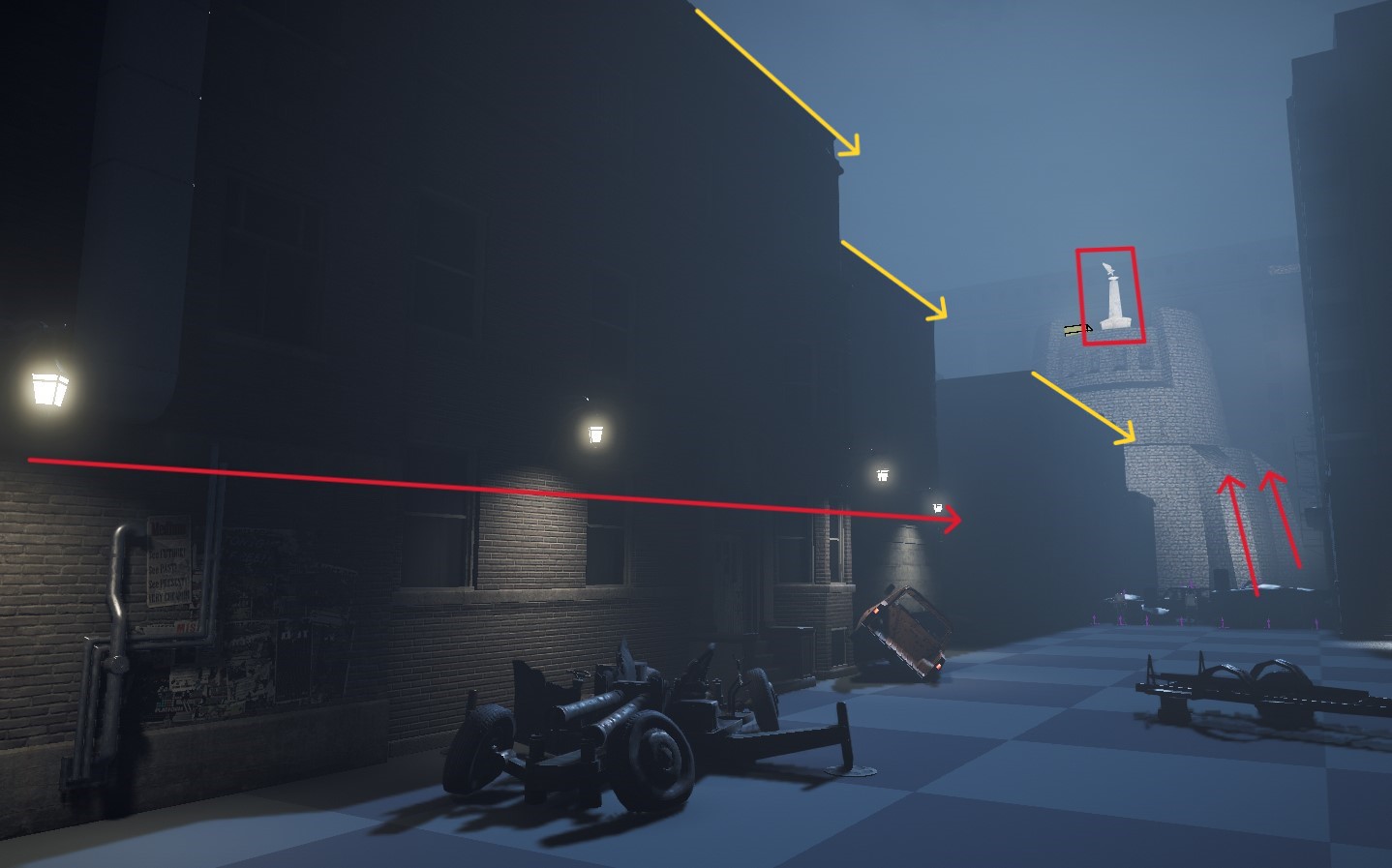
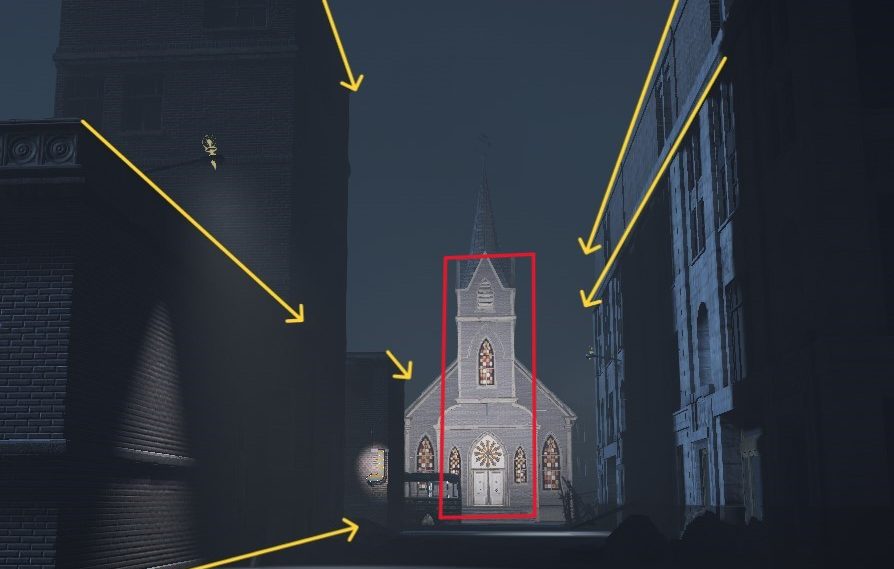
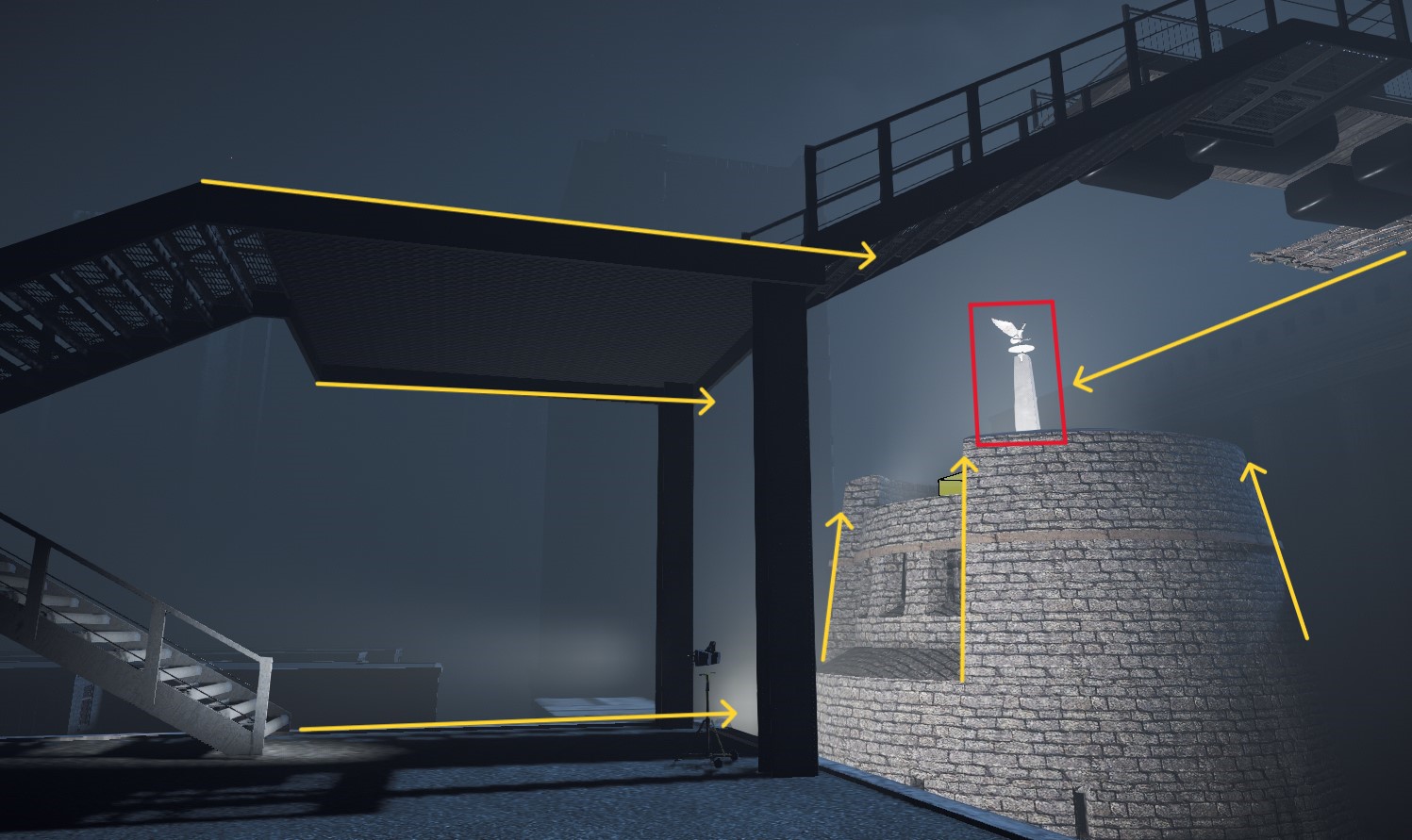
Technique: Framing uses composition and environmental geometry to subtly direct the player’s attention toward key landmarks or objectives without explicit markers.
Context: In my level, framing is essential to maintain clarity within a chaotic cityscape. Architectural silhouettes, street alignments, and lighting contrast are used to continuously pull the player’s gaze toward the main objective: the illuminated monument at the city’s center.
Technique Detail:
- Sightlines: Building edges and street layouts converge naturally toward focal points such as the church and the rescue monument.
- Depth & Scale: Alternating narrow alleys and open spaces emphasize progression and orientation.
- Guided Composition: Light sources and vertical elements reinforce the direction of travel, ensuring players always perceive where to go next even in low visibility or moments of panic.
Light Soft Guidance
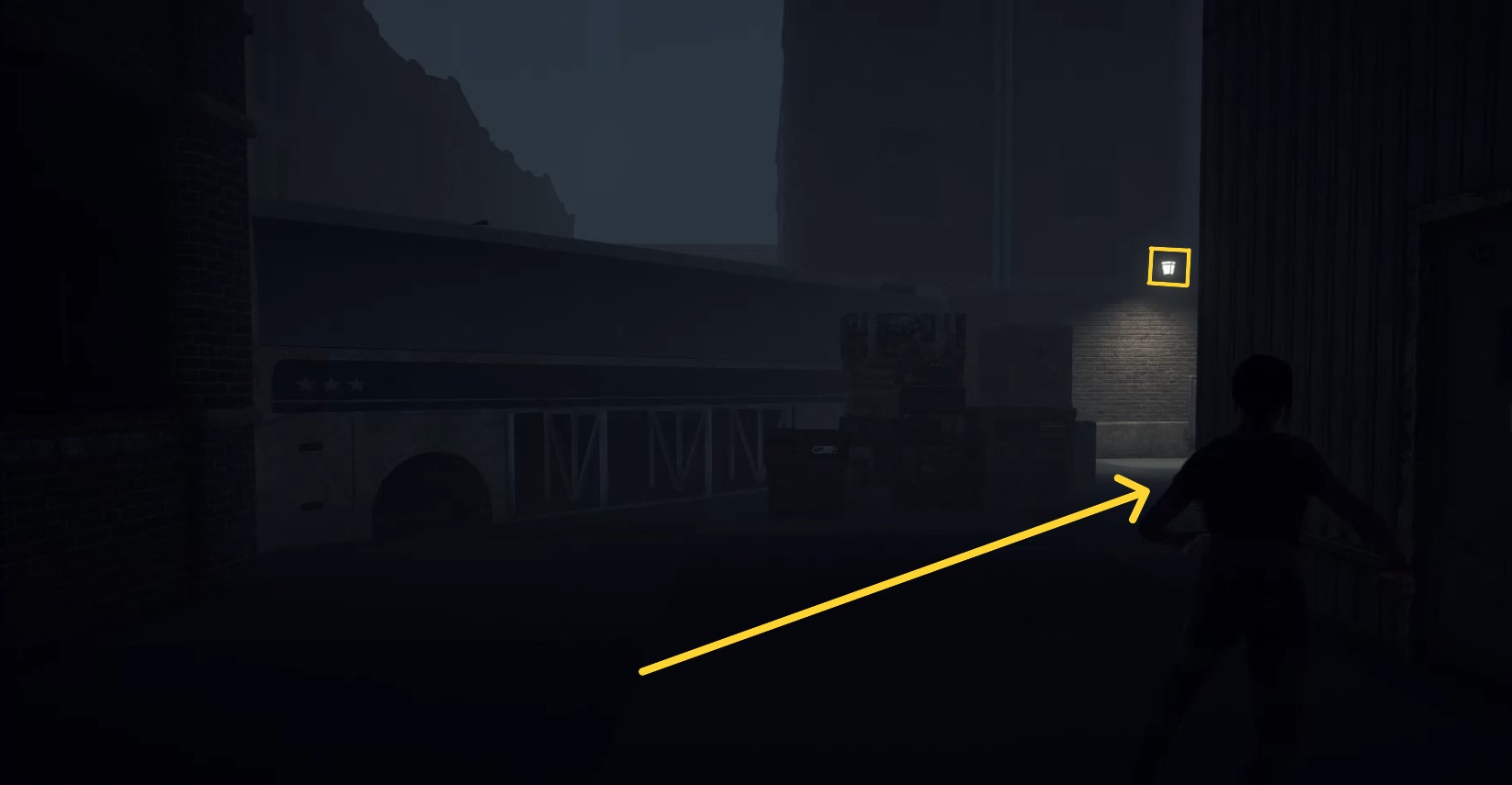
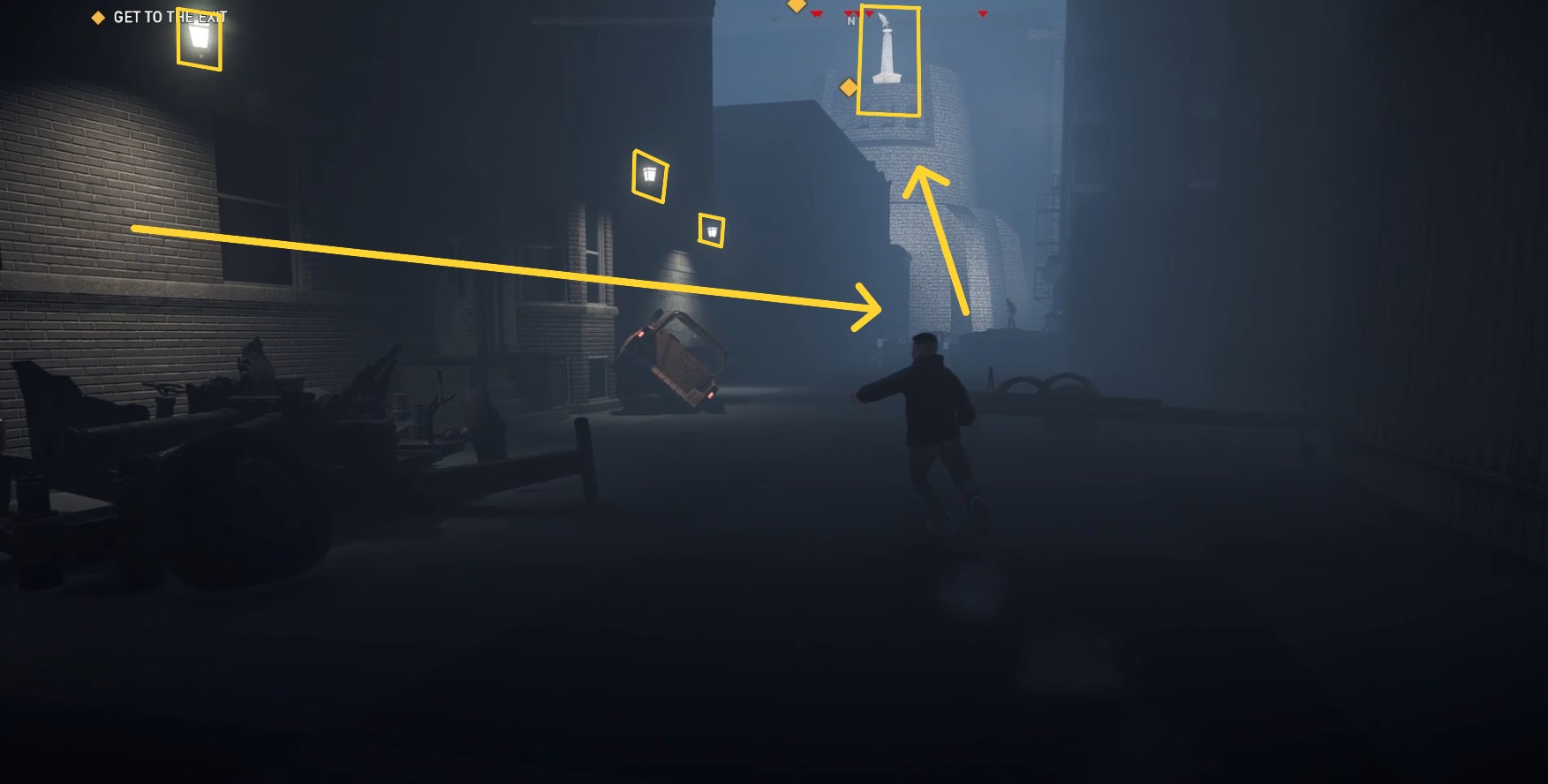
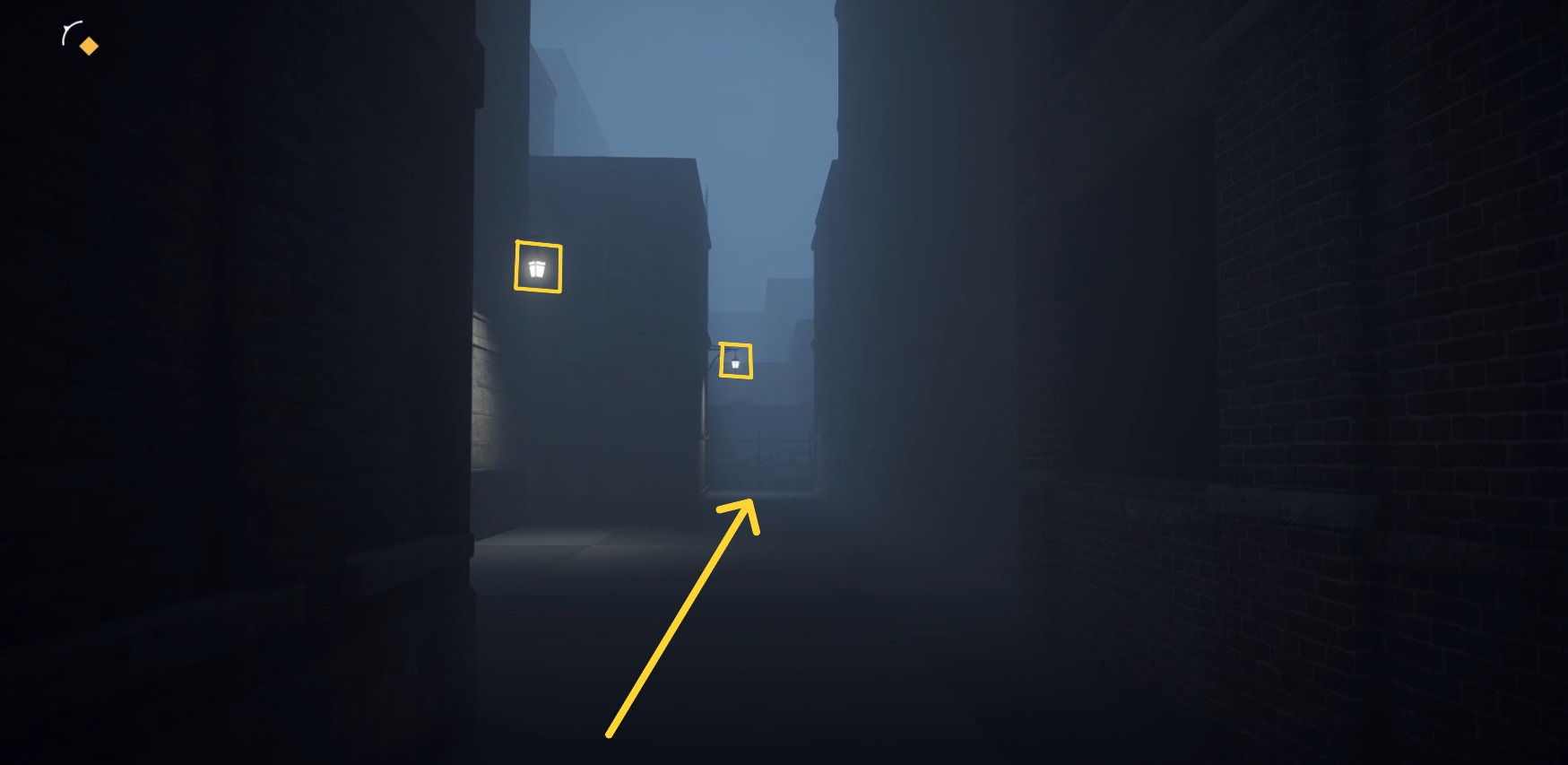
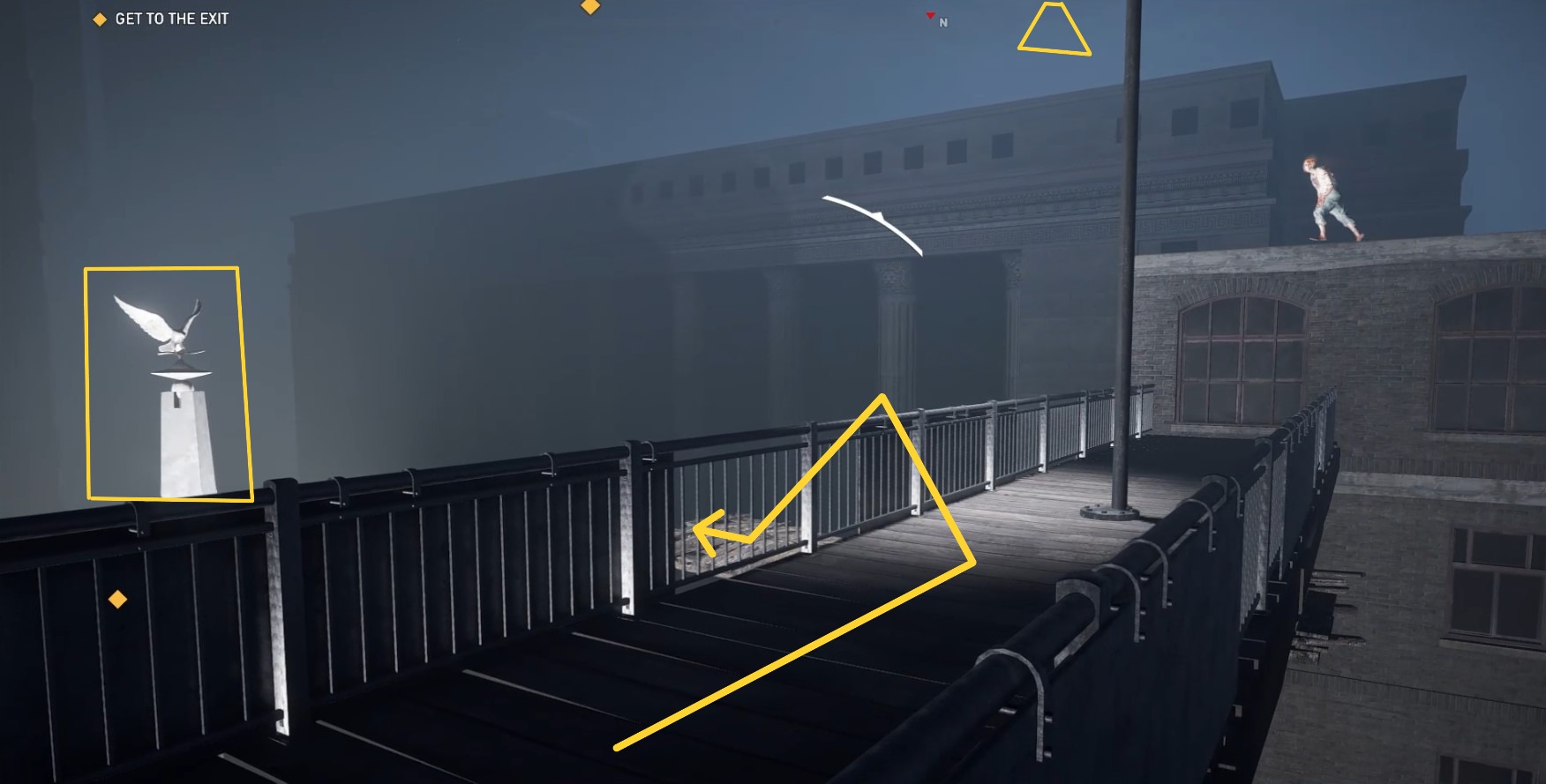
Technique: Soft guidance through lighting, using contrast and brightness to draw attention and orient players without overt signposting.
Context: As the player moves through smoke and darkness, light becomes their only reliable navigation cue.
Technique Detail:
- Remaining light sources mark safe path.
- Flickering lights adds urgency and rhythm, suggesting danger.
- Fire and explosions close up routes redirecting the player into the correct path.
- The final objective, the illuminated monument, serves as a constant visual anchor, visible from multiple vantage points to reinforce direction.
Level Breakdown: application of techniques
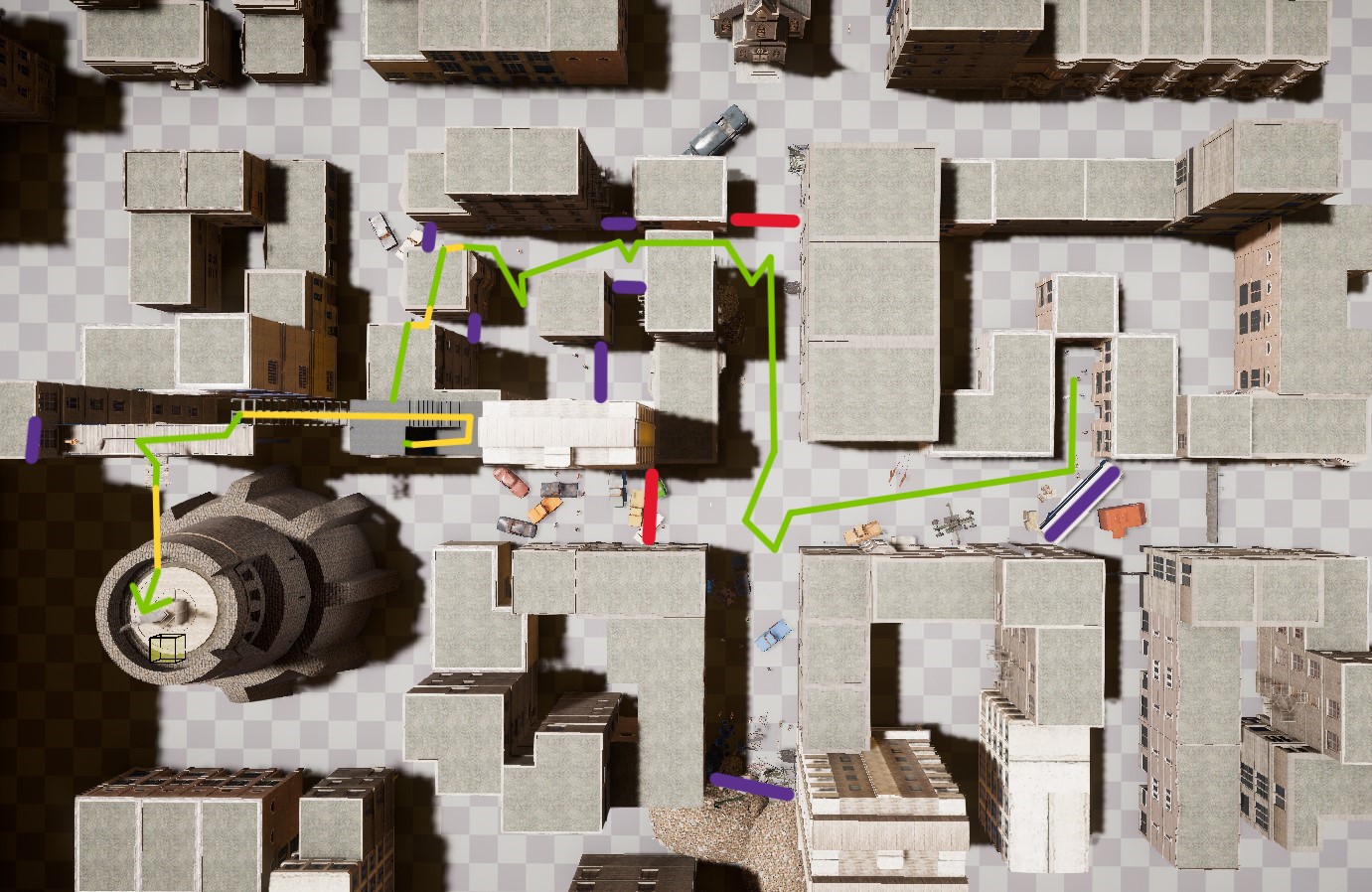
Soft Guidance Breakdown
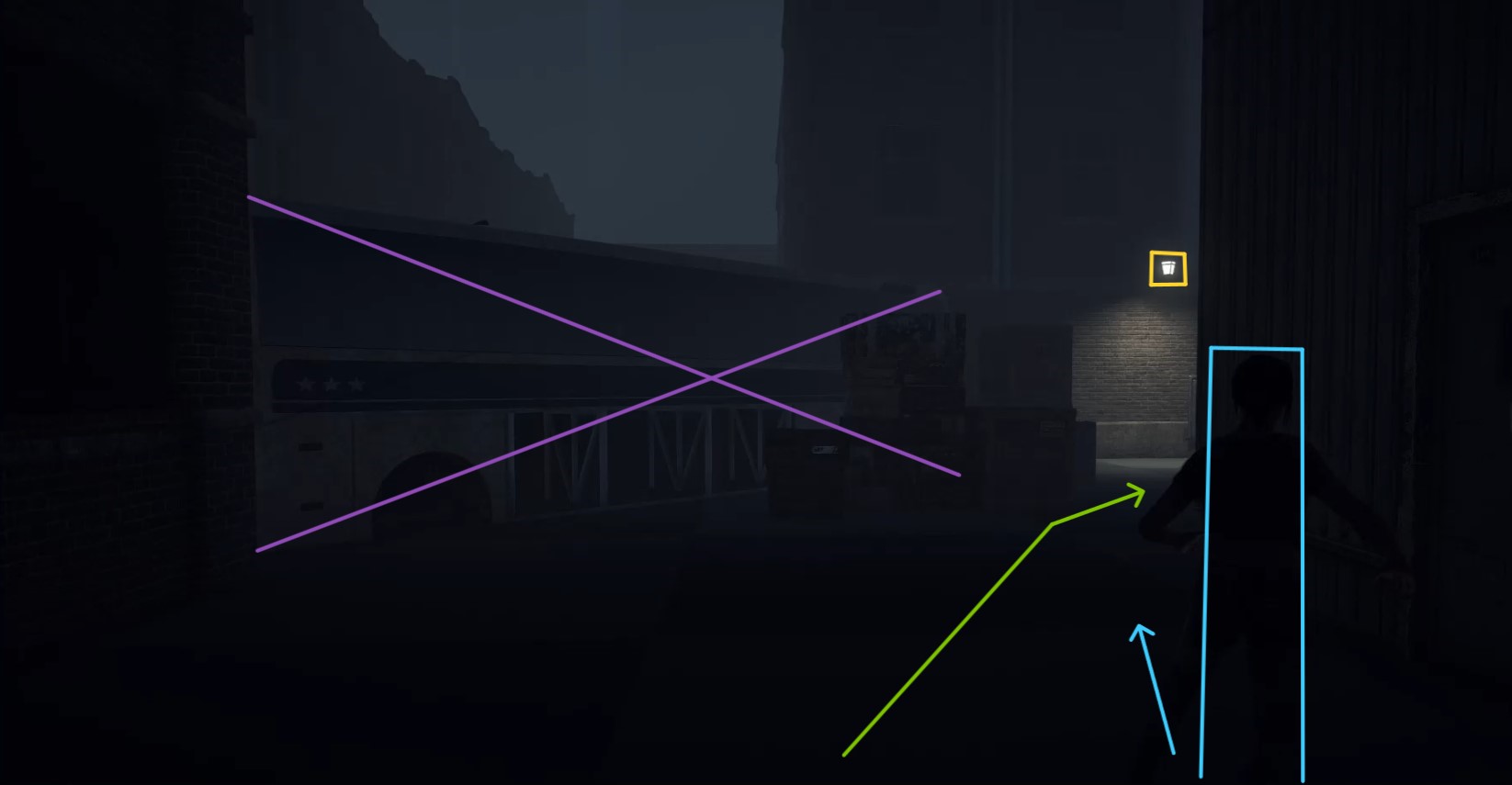
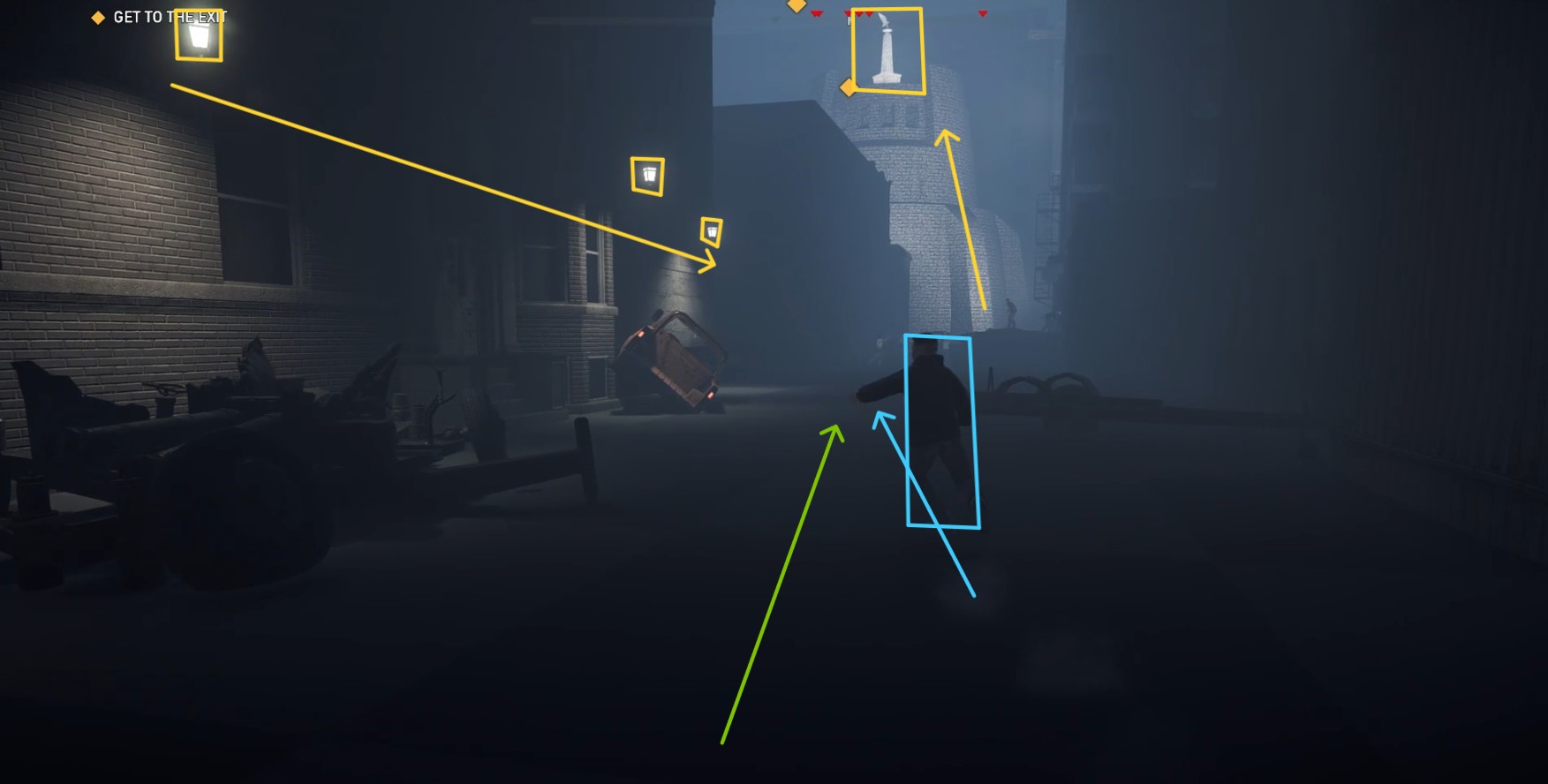
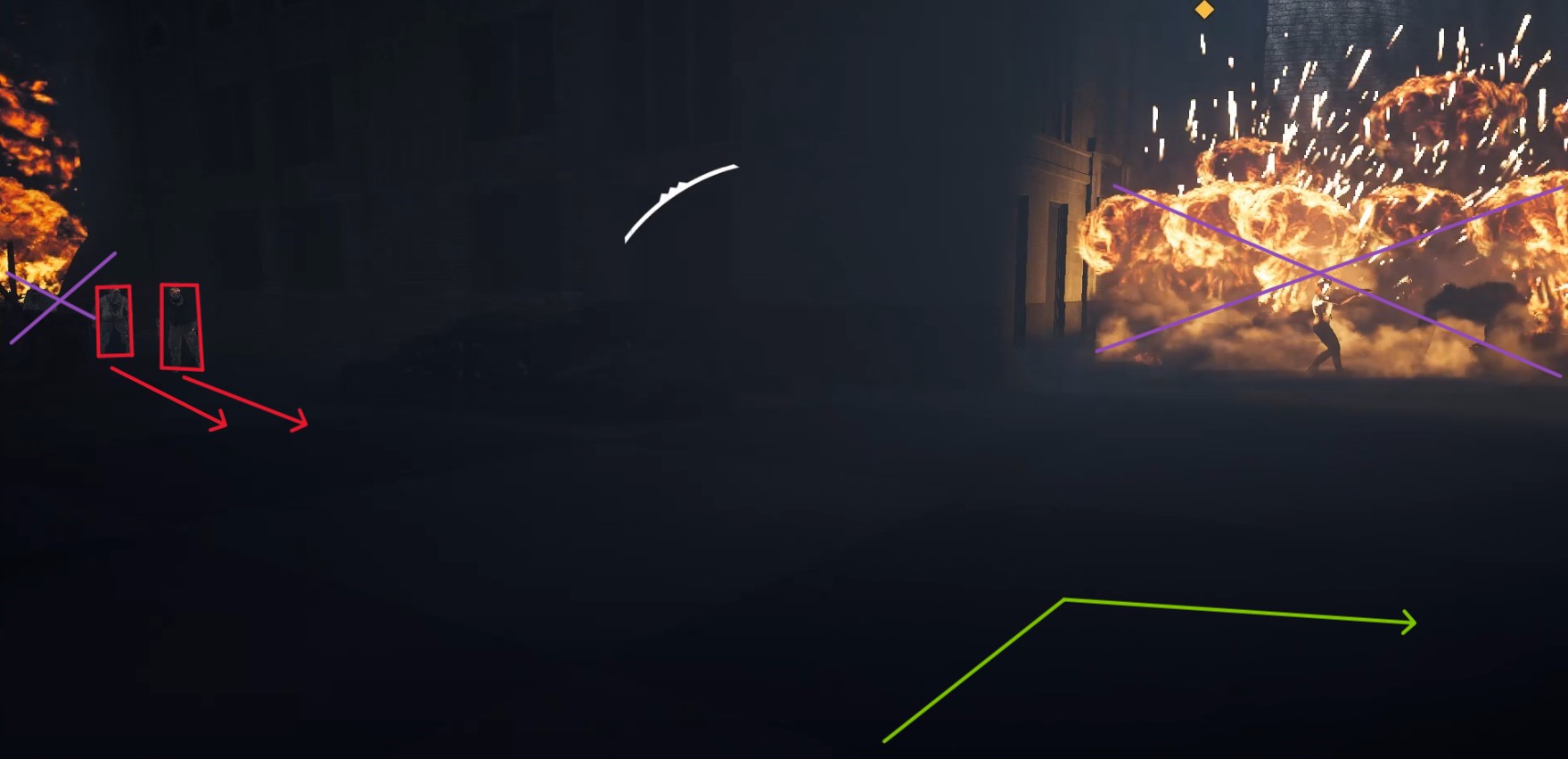
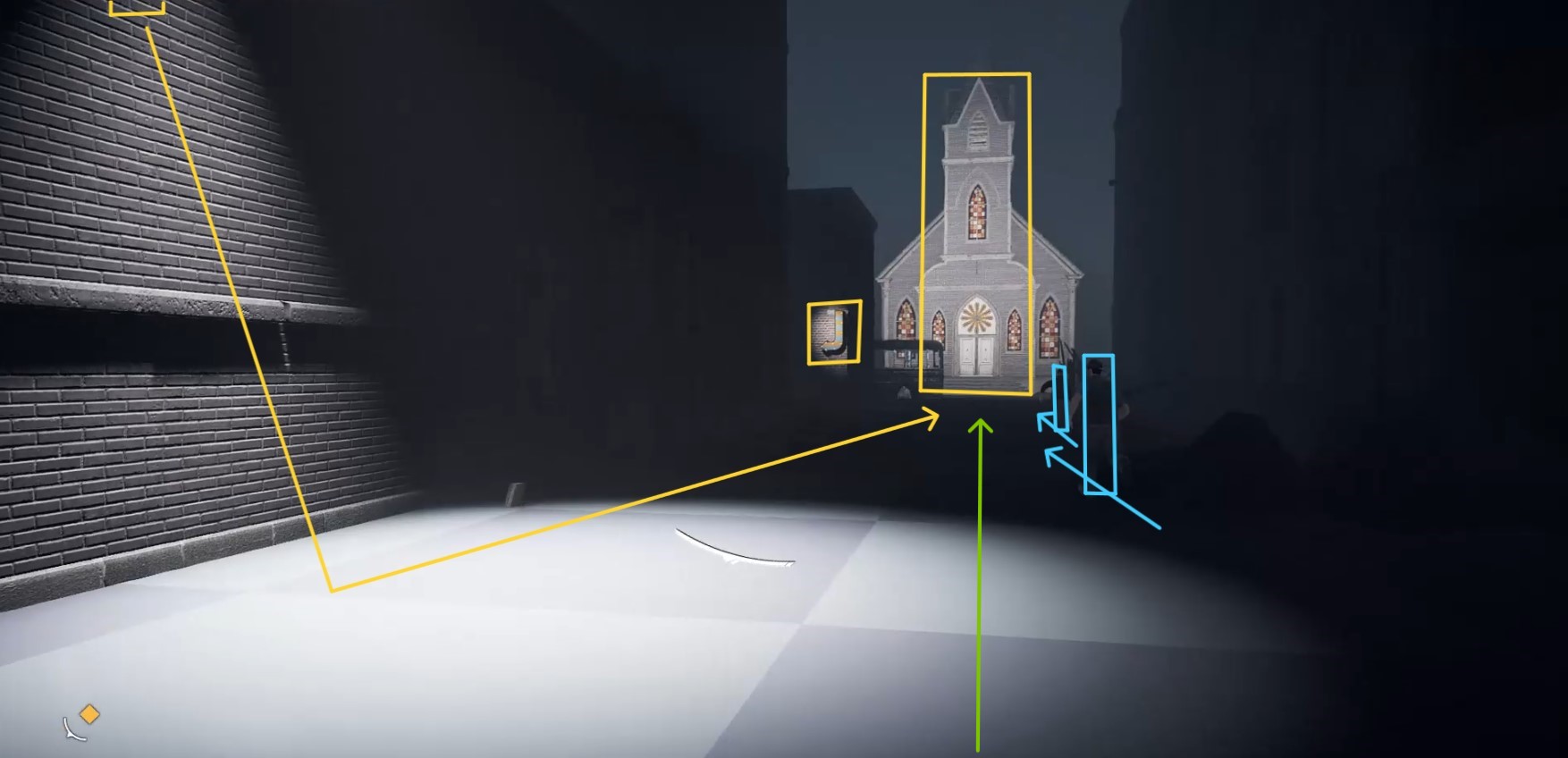
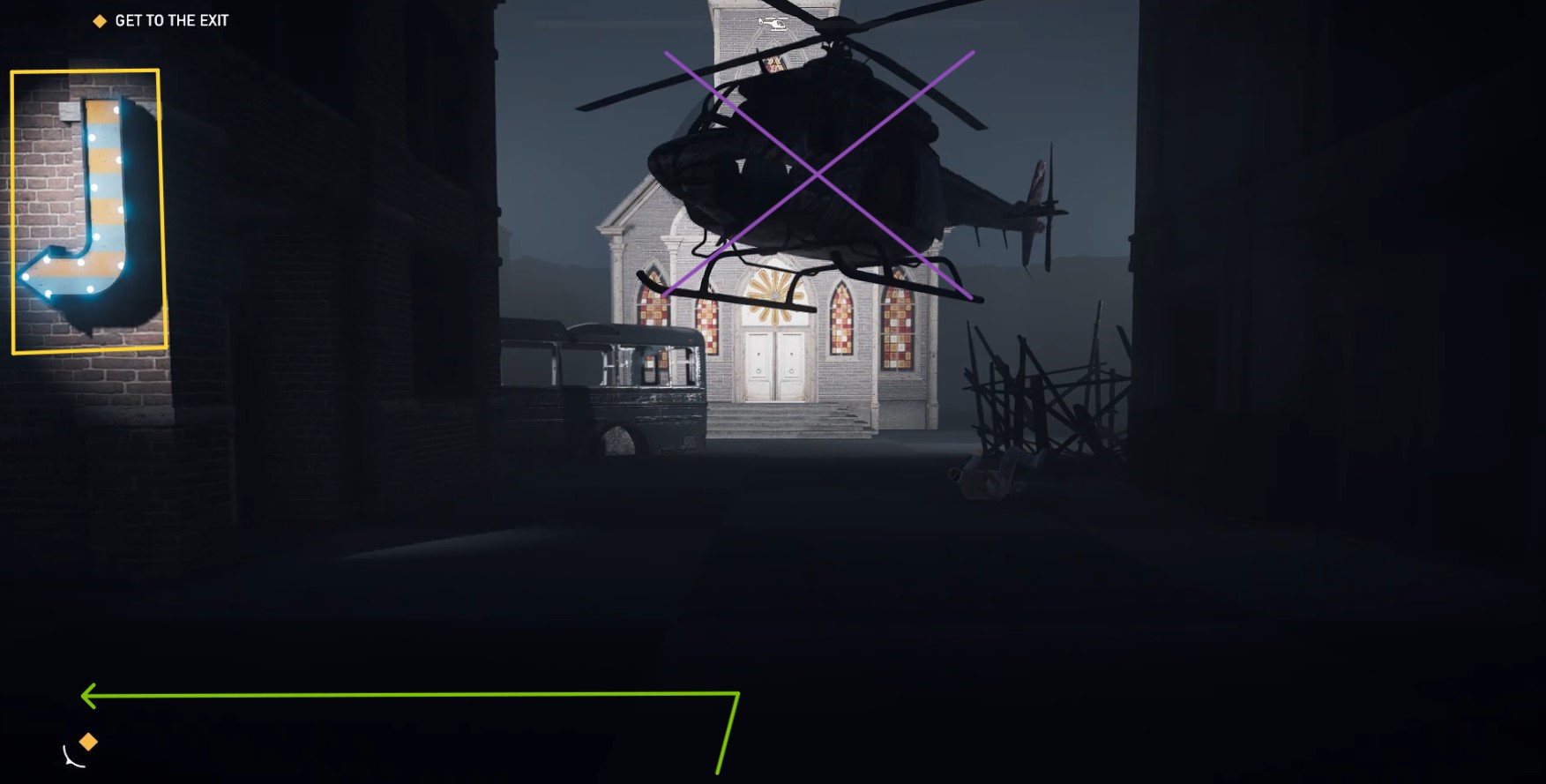
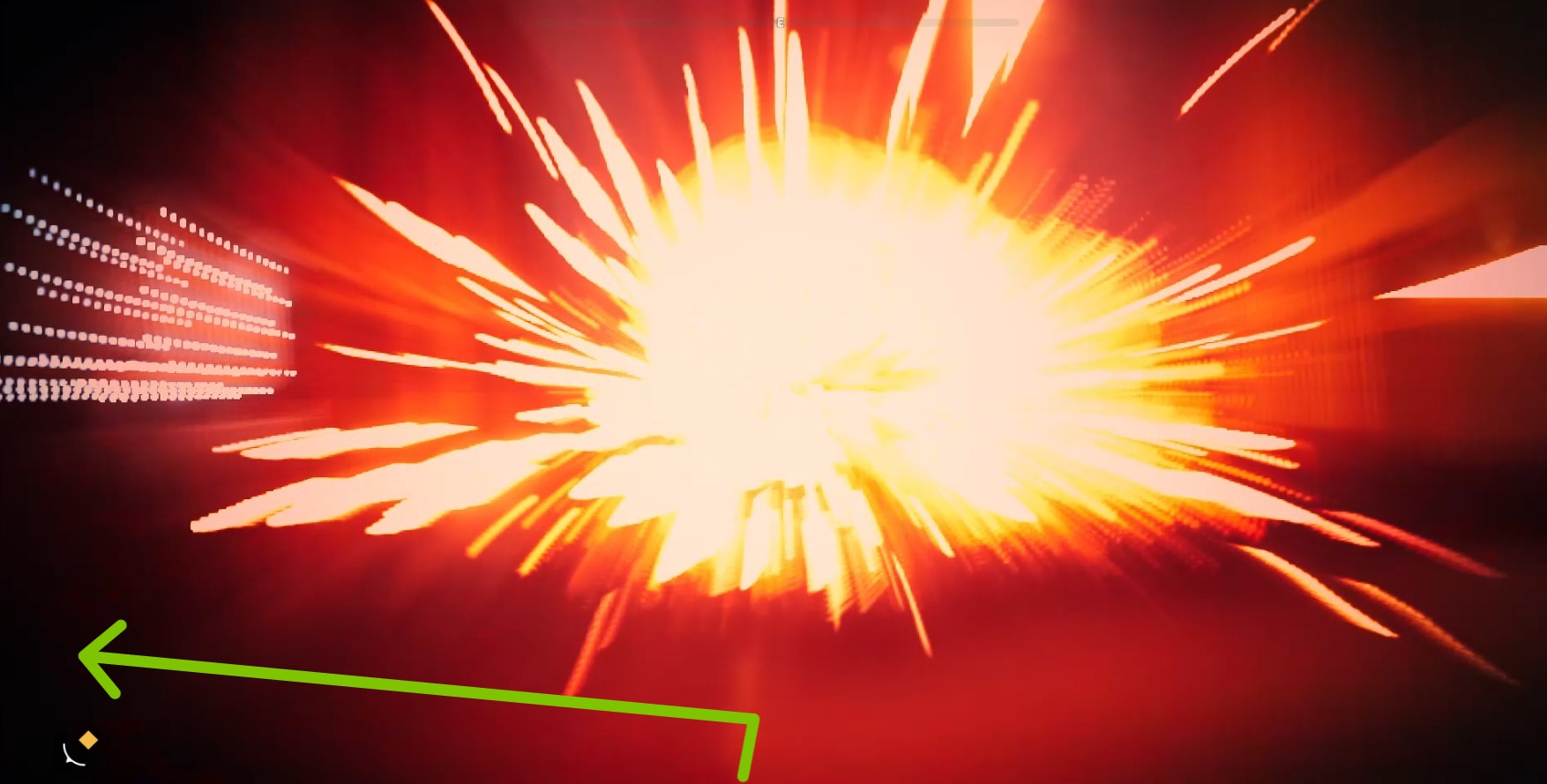
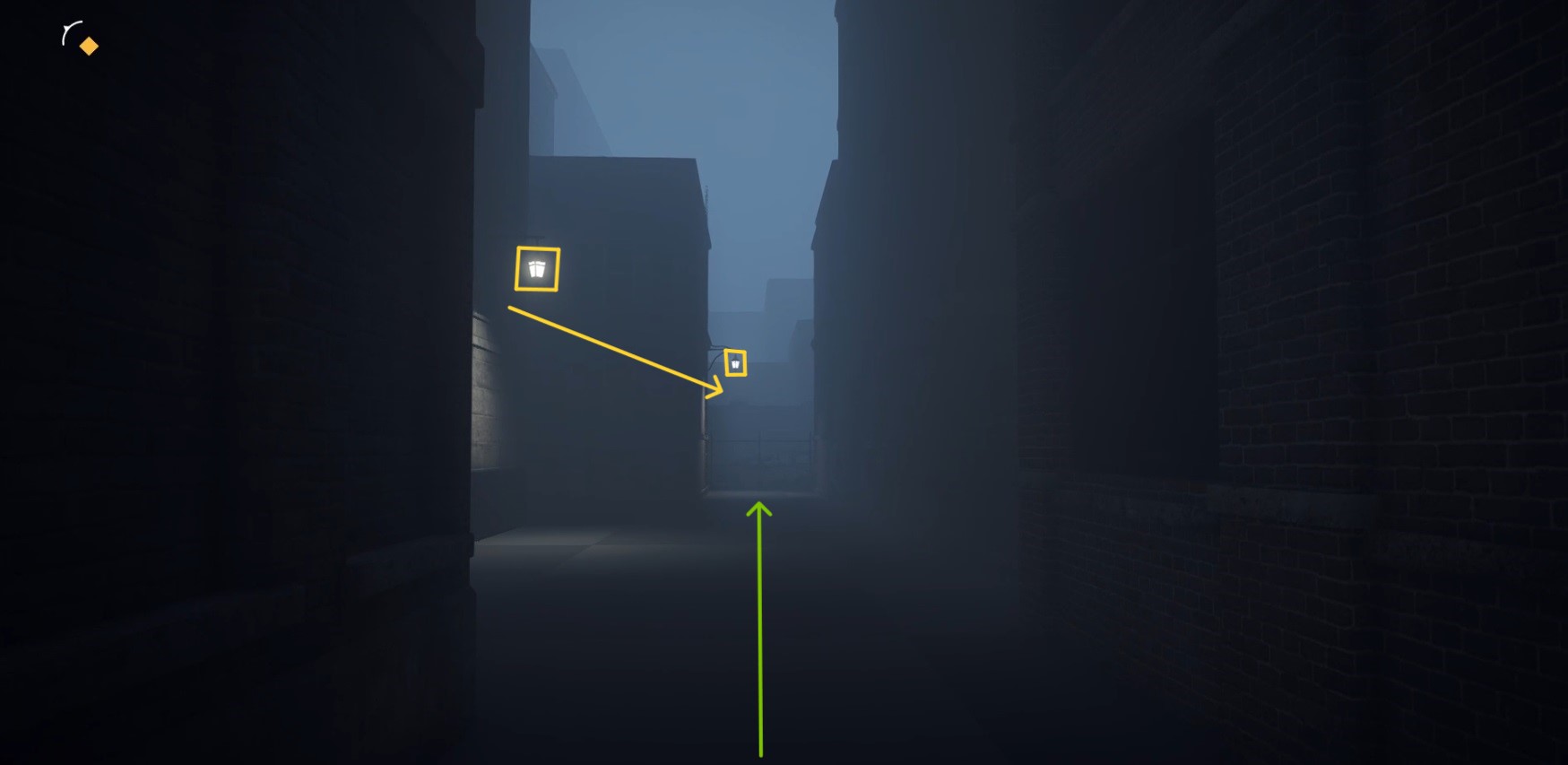
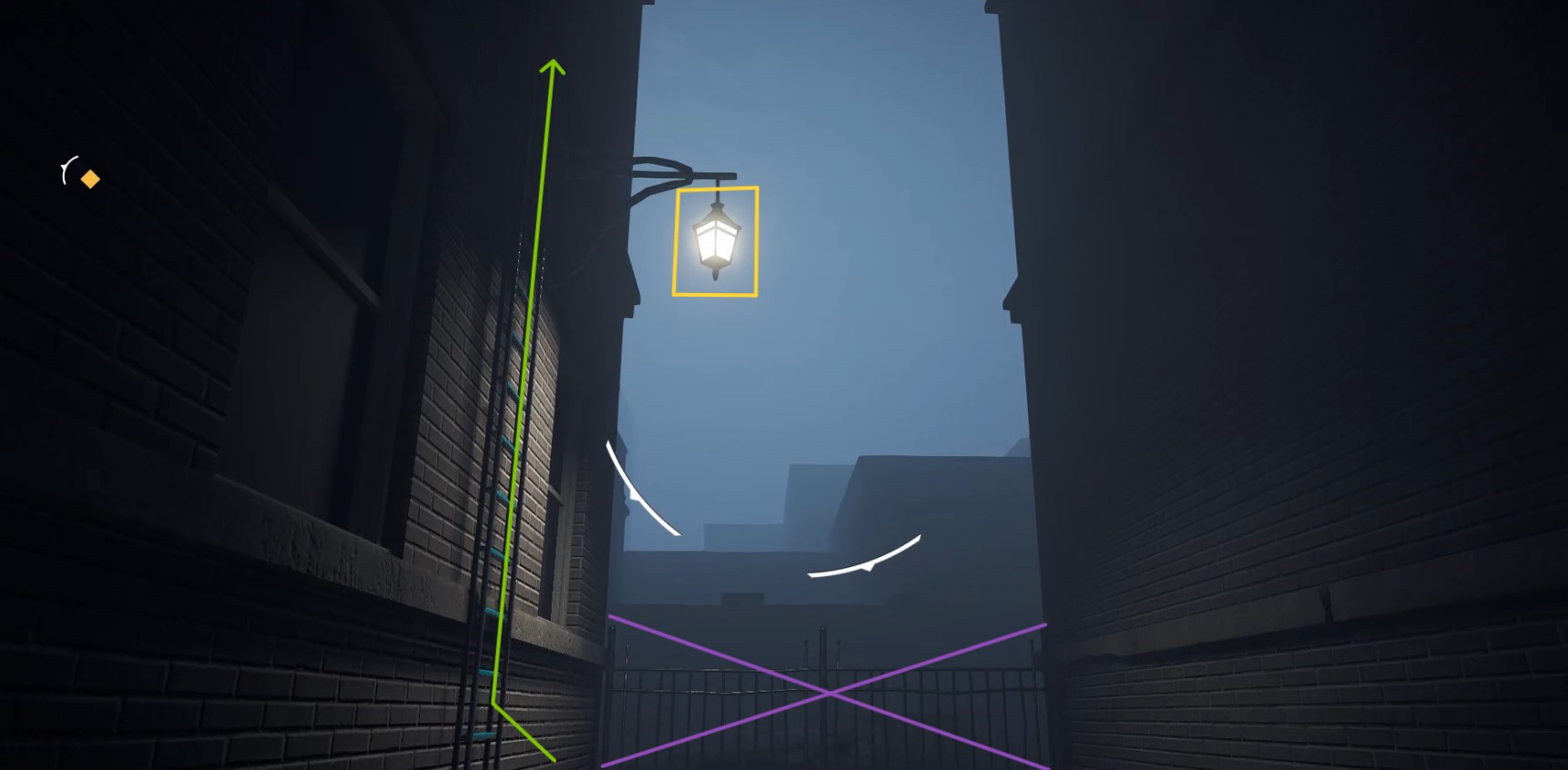
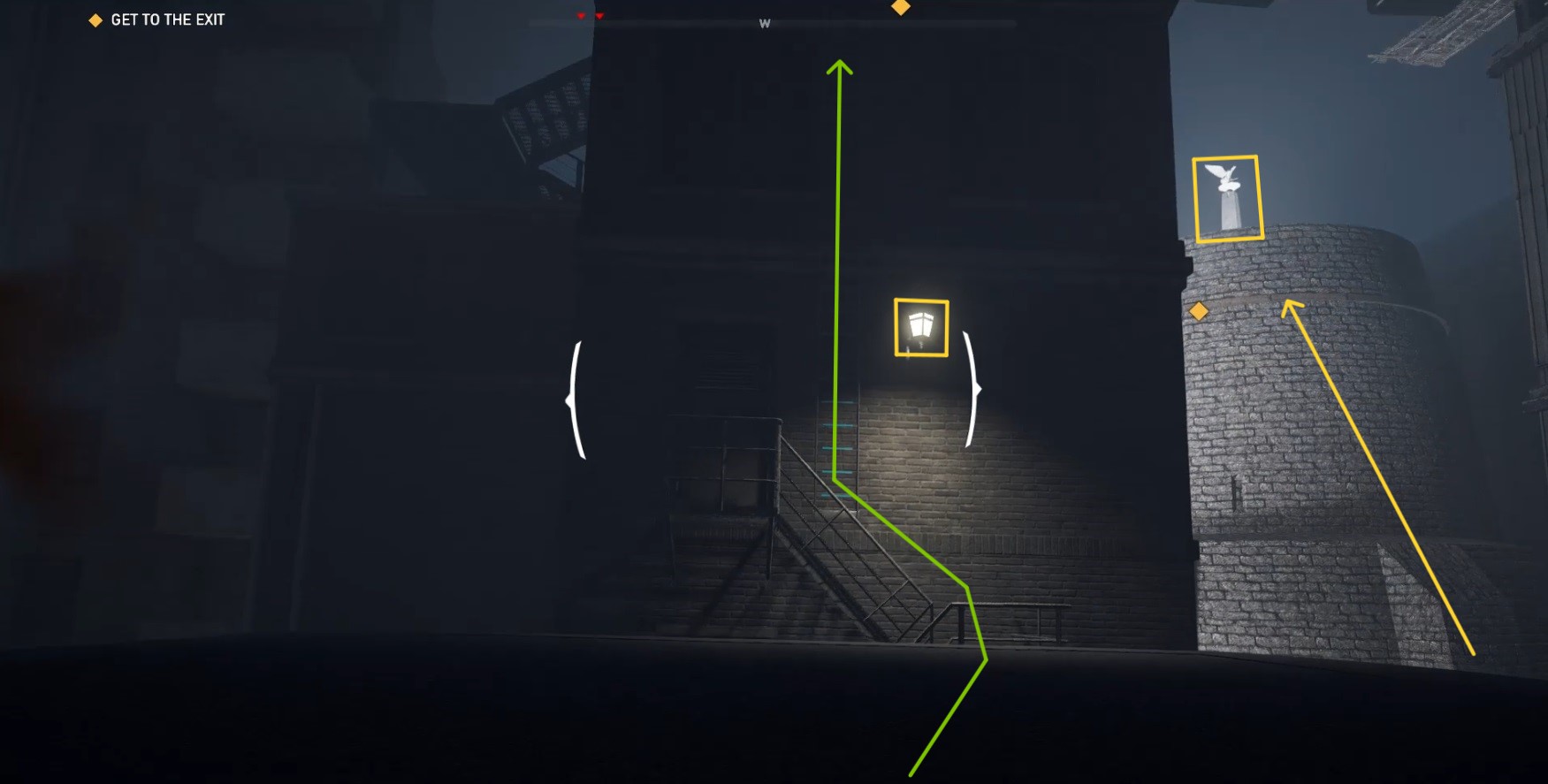
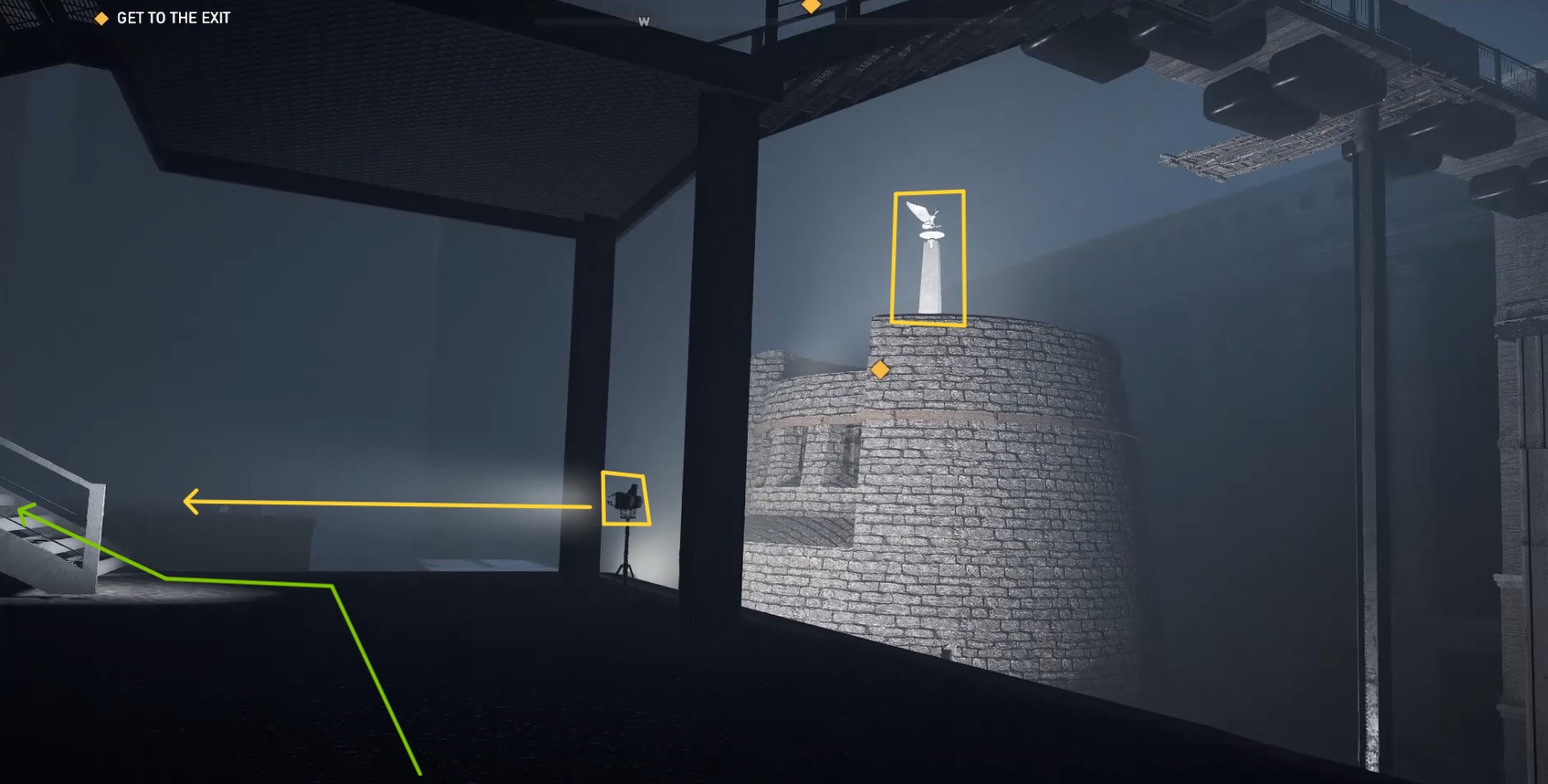
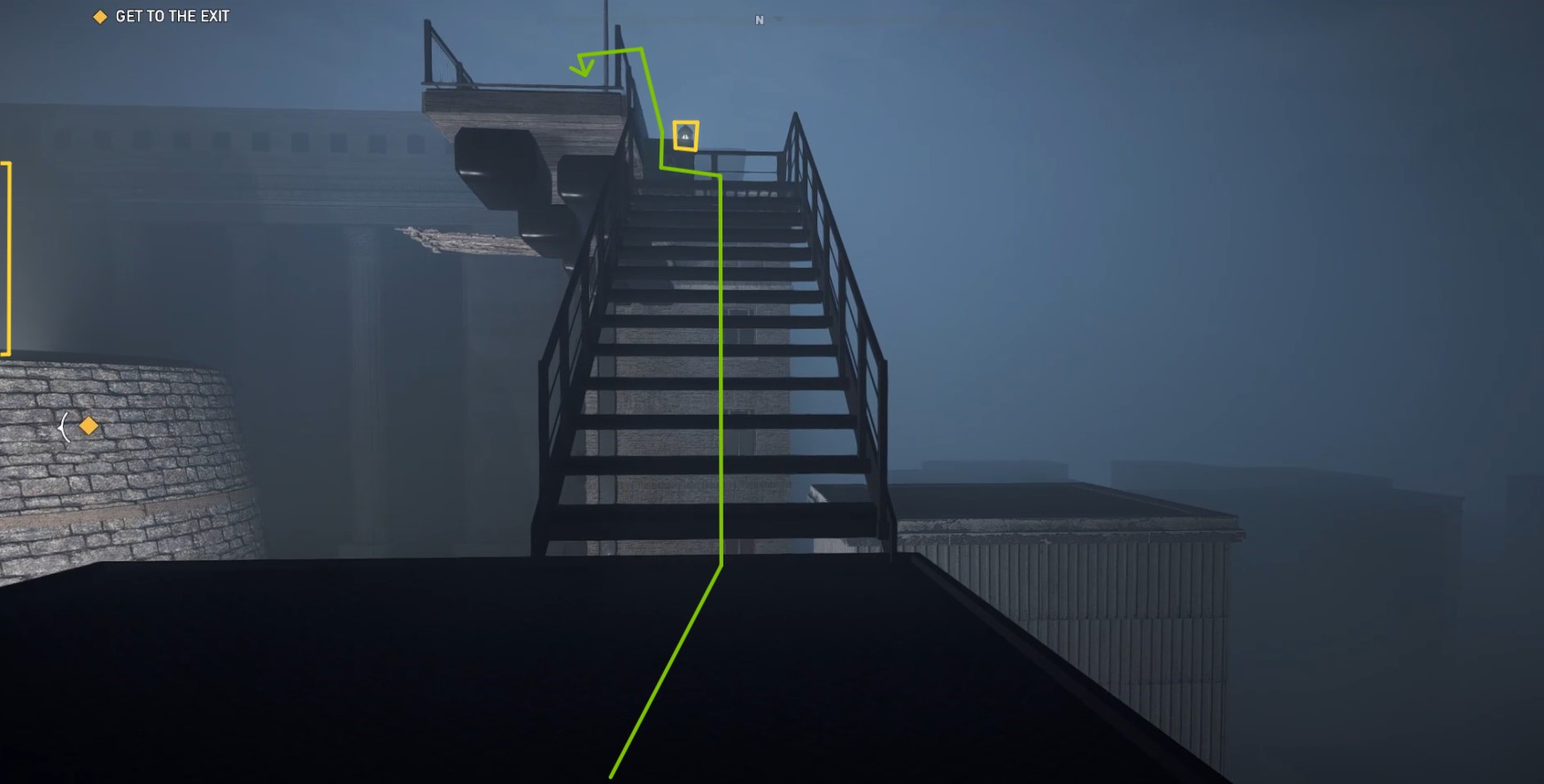
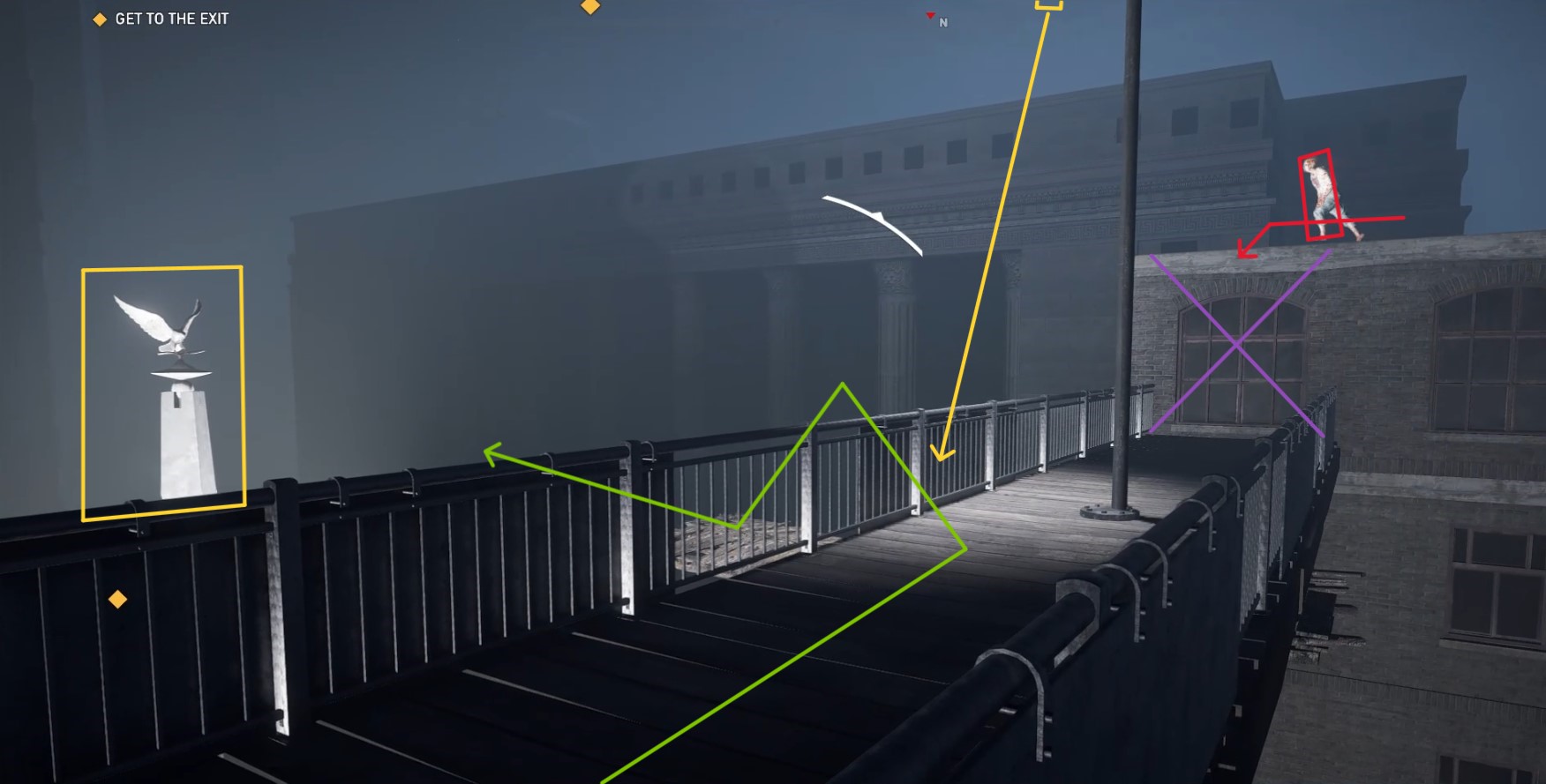
Results: A clear, readable path through a chaotic escape sequence, guided entirely through diegetic cues rather than UI markers. Light, motion, blocked routes, and enemy pressure naturally pull the player forward, recreating the intuitive flow seen in The Last of Us.
Goal: Recreate the subtle player-guidance techniques from the opening sequence of The Last of Us; using lighting, fleeing civilians, destruction events, and enemy threats to direct attention and movement without explicit hand-holding.
Color Code:
Yellow – Light sources: Highlight safe directions and anchor the player’s attention.
Blue – Civilians fleeing: Provide motion cues that subtly indicate where to run.
Purple – Blocked paths: Show why a route is inaccessible without breaking immersion.
Red – Zombies approaching: Reinforce danger zones and push players away from wrong paths.
Green – Player path: Represents the intended movement flow created through environmental cues.
Lessons learned
Highlight 1: Improve ambient lighting for depth & contrast
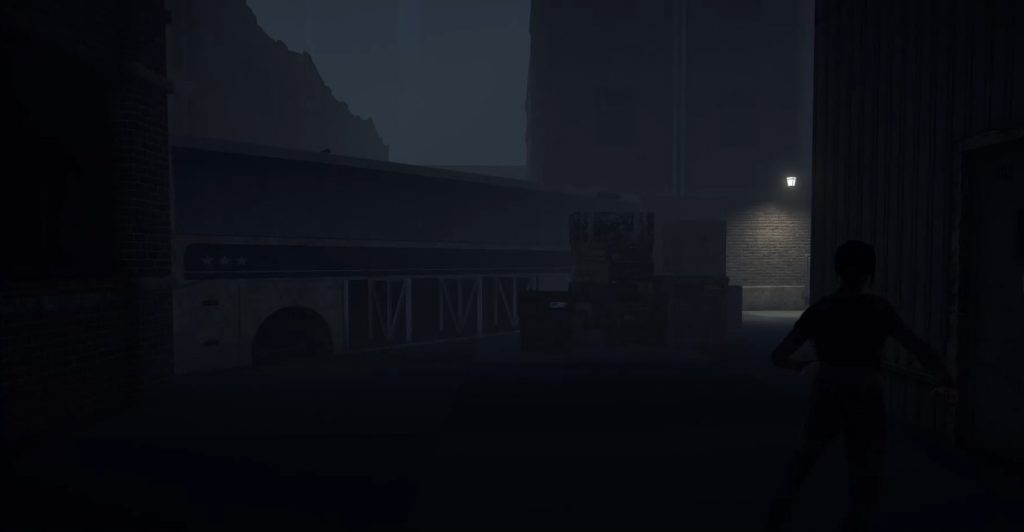
Insight: Ambient lighting plays a key role in shaping atmosphere and depth. When the entire scene stays uniformly dark, contrast is lost and the environment can feel visually flat.
Issue: While guidance lights were effective, the background lacked supporting illumination, making large sections feel too uniformly dark.
Future application: Introduce subtle ambient and volumetric light sources to create layered depth, strengthen silhouettes, and improve environmental readability without compromising the dark tone.
Highlight 2: Provide more reaction time during path-redirecting events
Insight: Redirective events (explosions, collapsing props, enemy surges) must give players enough time to understand what changed and why their path is shifting.
Issue: Some path-blocking events triggered too suddenly, functioning more like jump scares than intentional guidance moments.
Future Application: Add clearer anticipation and slightly longer reaction windows so players can process the redirection naturally instead of feeling startled or confused.
Highlight 3: Strengthen the final sequence’s emotional peak
Insight: Climactic moments must escalate tension and deliver a satisfying emotional peak that matches the buildup.
Issue: The final segment, which diverges from The Last of Us reference, landed on a lower intensity than the moments before it, leading to an anticlimactic ending.
Future Application: Increase enemy pressure, lighting contrast, and environmental tension in the final stretch to ensure the sequence ends on a stronger, rising beat.